
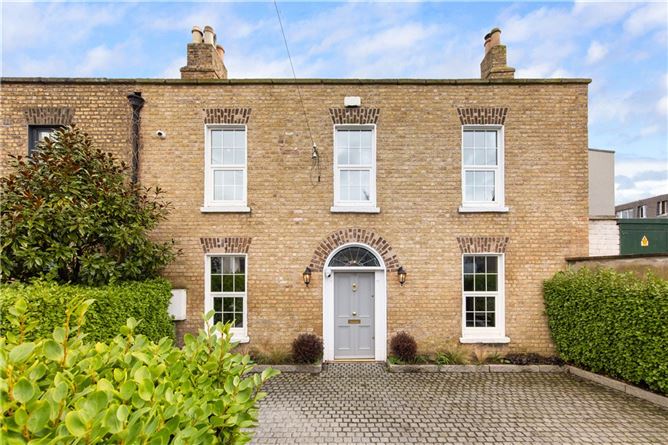
 House
€1,950,000
Ranelagh
4 bd 4 ba 270 m²

16,122 homes, apartments and plots from local agents and developers, across 90 cities and towns.
Listings link to the original agent or portal, where you can contact the seller directly.
24 properties shown
House€1,950,000
Ranelagh
 Apartment
€295,000
Beaumont
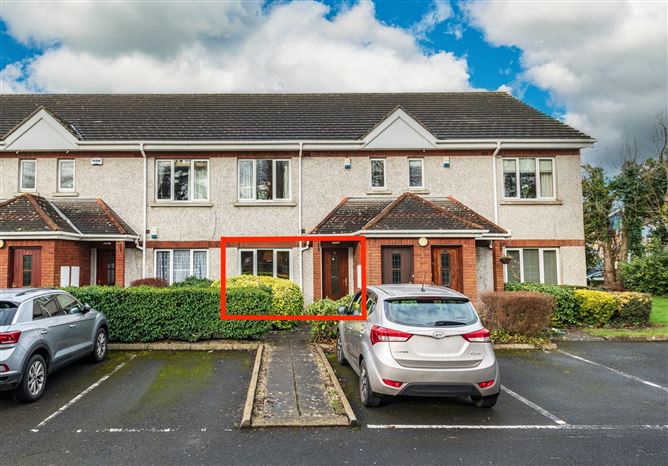 Apartment
€310,000
Naas
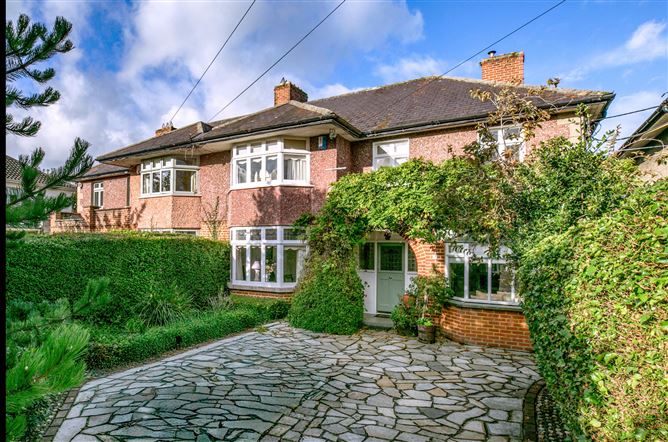 House
€1,350,000
Rathgar
 Apartment
€400,000
Drumcondra
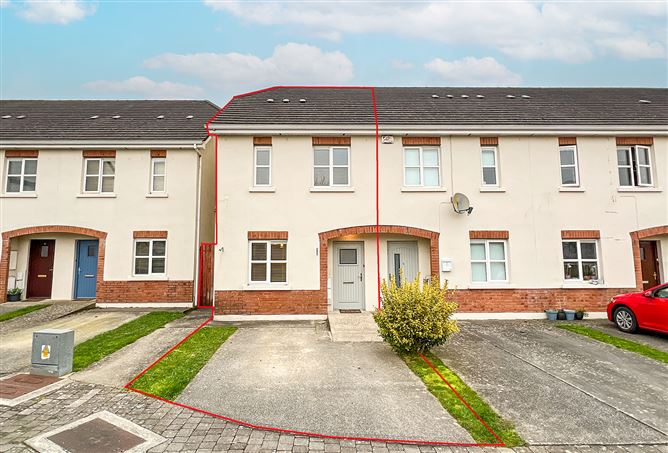 House
€295,000
Kilkenny
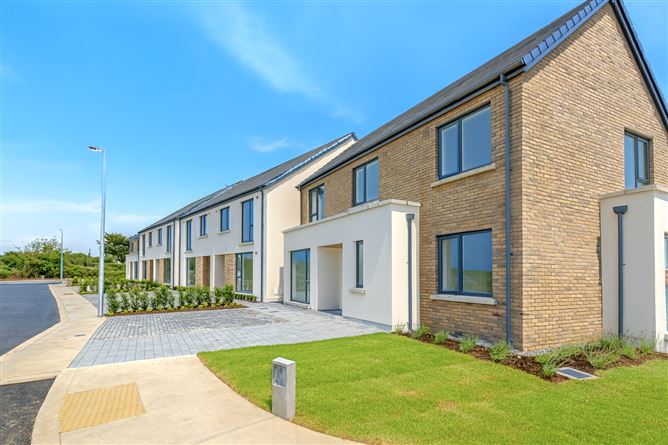 House
€415,000
Drogheda
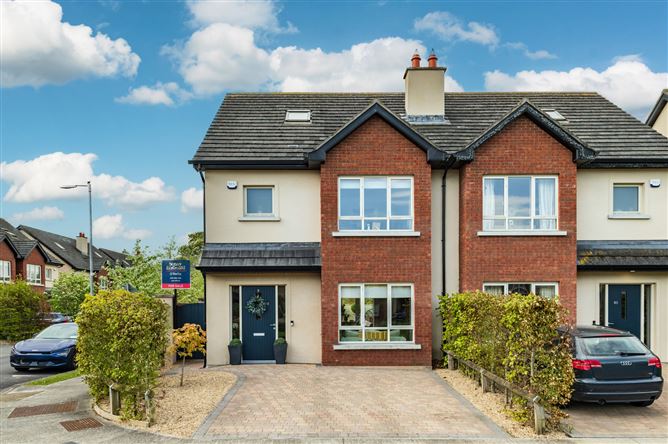 House
€635,000
Naas
 House
€1,850,000
Ranelagh
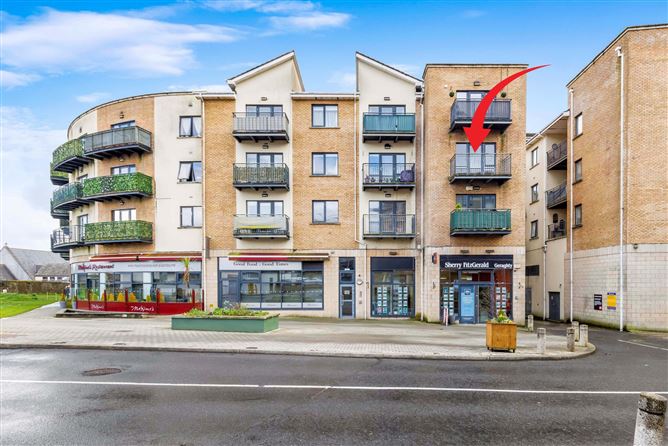 Apartment
€250,000
Ashbourne
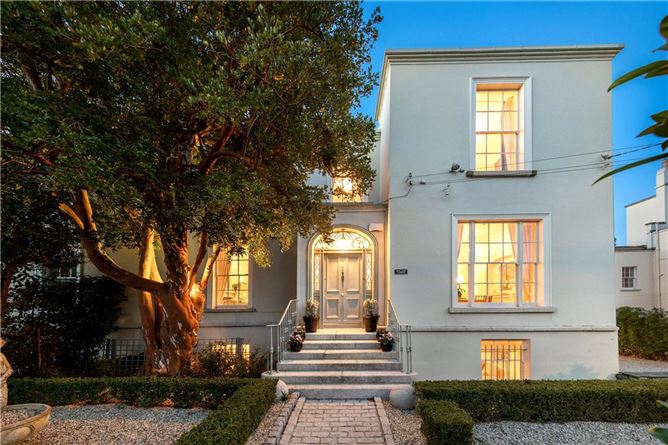 House
€3,795,000
Monkstown
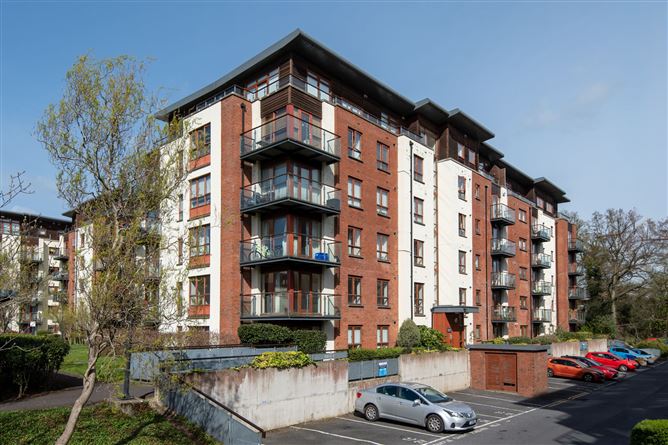 Apartment
€350,000
Santry
 Apartment
€295,000
Clontarf
 Apartment
€160,000
City Centre (Limerick)
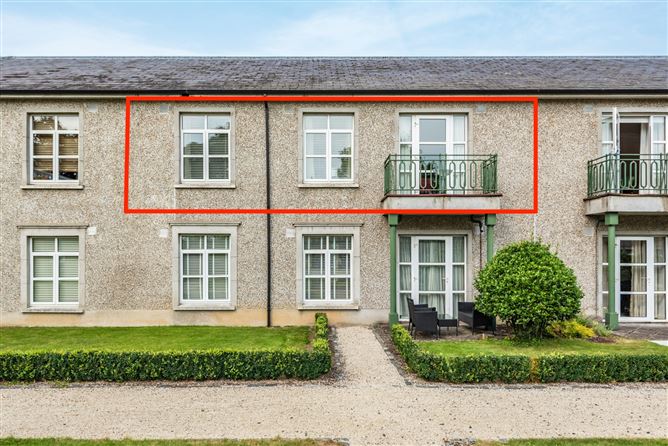 Apartment
€475,000
Straffan
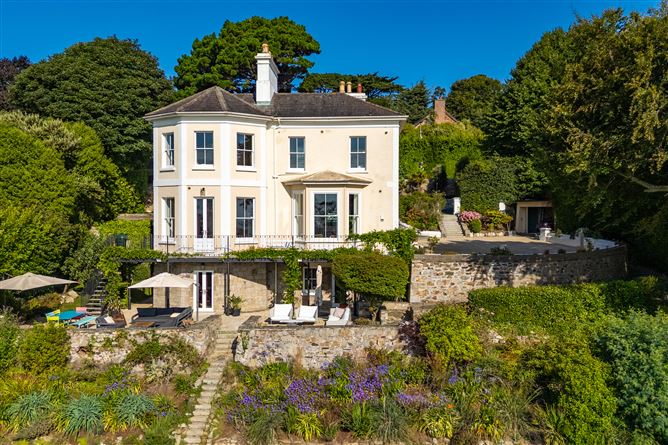 House
€5,950,000
Killiney
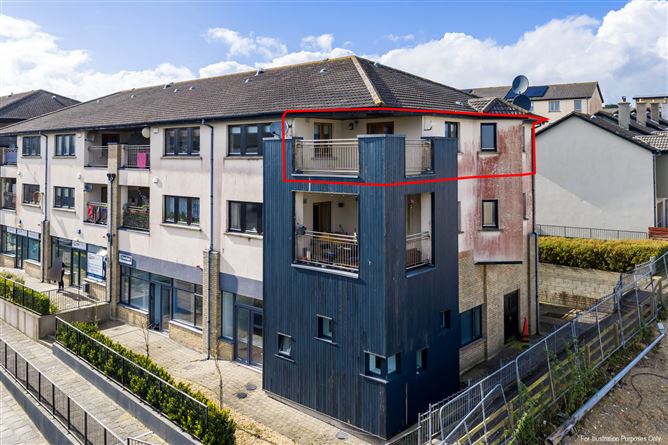 Villa
€199,000
Clonard
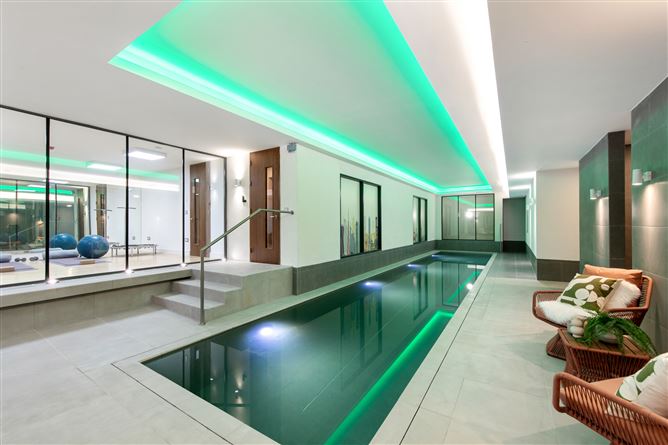 House
€3,250,000
Rathmines
 House
€595,000
Ballinderreen
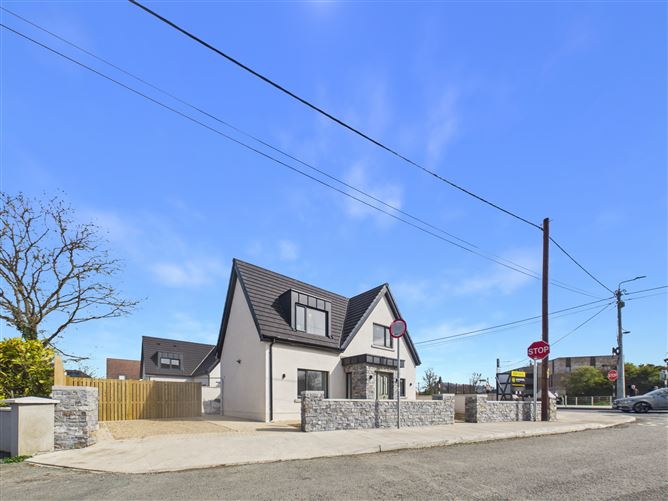 House
€825,000
Donabate
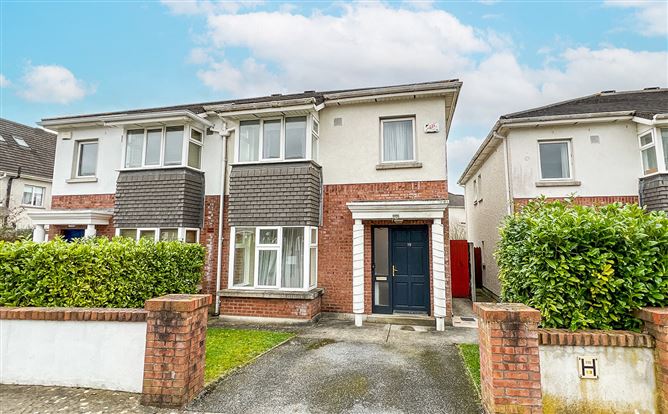 House
€360,000
Kilkenny
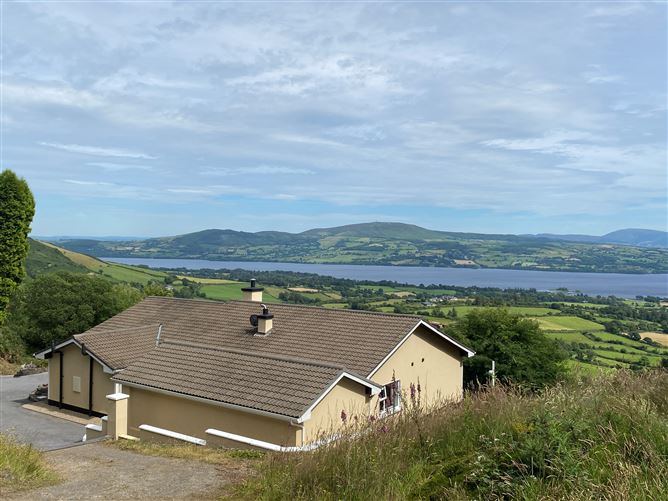 House
€449,500
Killaloe
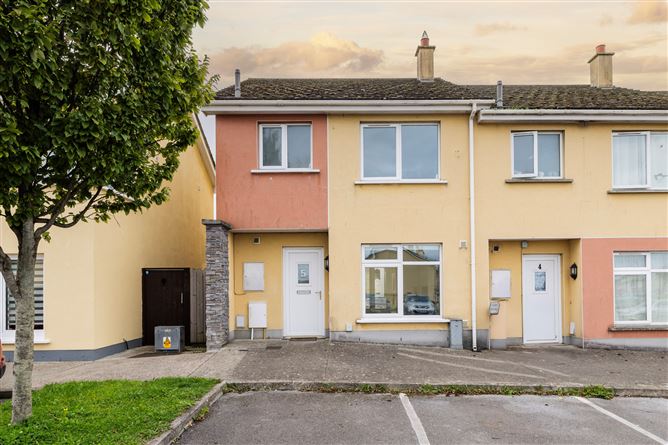 House
€339,500
Balbriggan
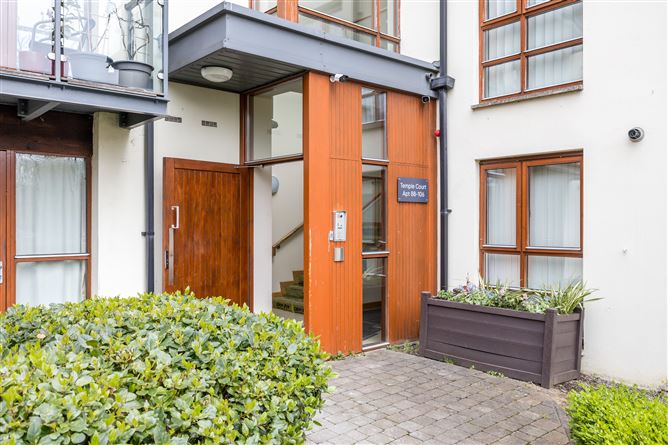 Apartment
€325,000
Santry
Cities and towns with the most properties for sale right now.
 Dublin516 listingsBlackrock219 listingsSwords192 listingsMalahide171 listingsNaas166 listingsRathfarnham163 listingsCastleknock162 listingsWexford150 listingsBray149 listingsLucan138 listingsDrogheda131 listingsNavan125 listings
Buyer's guide: Ireland
There are 11,838 properties for sale in Ireland on RealEstateAbroad, with a median asking price of €420,000 and a median size of 111 m². Houses account for most of the stock, and Dublin's southside commands the highest prices. This guide sets out where to buy and what foreign buyers pay.
Figures are drawn from current listings on RealEstateAbroad and reflect asking prices, which in Ireland often differ from final sale prices. Competitive bidding on popular homes can push agreed prices above the advertised guide.
| Indicator | Current listings |
|---|---|
| Listings | 11,838 |
| Median asking price | €420,000 |
| Middle 50% of prices (p25 to p75) | €295,000 to €595,000 |
| Median price per m² | €4,068 |
| Median size | 111 m² |
| Property-type mix | Houses 8,938; apartments 1,948; land 724; commercial 91; villas 70; penthouses 63; studios 4 |
| Bedrooms | 1 bed: 509; 2 beds: 2,327; 3 beds: 3,995; 4 beds: 2,894; 5+ beds: 1,300 |
Ireland is a house market: three-bedroom family homes outnumber every other listing type.
Dublin has 369 listings at a median of €425,000 and €5,889 per m², reflecting the mix of city-centre flats and suburban houses. The southside premium shows up quickly: Blackrock (median €849,975), Rathfarnham (€750,000) and Castleknock (€587,500) all price well above the national median, while Ballsbridge is among the priciest addresses we track.
North of the city, Malahide (median €795,000) is a coastal commuter town with a rail link, whereas Swords (€440,000) is the more affordable airport-side option. West and south, Naas (€450,000) and Bray (€515,000) draw commuters willing to trade distance for space.
Outside the capital region, Wexford has a median of €295,000 and Gorey €387,500, both attractive for retirees and remote workers. Cheaper still are towns such as Drogheda (€312,500) and Navan (€385,000) in the north-east.
Detached, semi-detached and terraced houses make up roughly three quarters of listings. Many are three- or four-bedroom family homes, with Dublin commuter estates built from the 1990s onwards. Apartments are concentrated in Dublin and the larger towns and are the usual entry point to the market.
Smaller segments include land sites (724 listings, often with or without planning permission), commercial units, villas and penthouses. Check Building Energy Rating (BER) certificates on every home; a poor rating affects both running costs and resale.
Ireland places no general restrictions on non-resident or foreign buyers of residential property. The process is led by solicitors, and a buyer is usually committed only at contract signing.
For a step-by-step explanation, see our buying property in Ireland as a foreigner guide.
Ireland's costs are straightforward, but the numbers add up on higher-value homes.
| Cost | Typical level (approx.) |
|---|---|
| Stamp duty (residential) | 1% on the first €1m, 2% on the excess |
| Legal fees | Often 1% to 1.5% of price plus VAT |
| Land registry fees | Modest, set by a published scale |
| Survey / engineer report | €400 to €1,000 for a standard home |
| Agent fee | Paid by the seller, roughly 1% to 2% plus VAT |
| Local Property Tax (annual) | Based on a banded valuation, usually hundreds of euro a year |
| Rental income | Taxed in Ireland; non-residents should appoint a tax agent |
Irish banks apply Central Bank lending rules: a typical first-time buyer can borrow up to 4 times income and needs a 10% deposit, while non-owner-occupier loans often require 30% or more. Non-residents without Irish income usually find borrowing harder, and some buyers instead use equity from another country or a cash purchase.
Rates have fluctuated with European Central Bank policy, so compare fixed and variable offers directly. Our Ireland mortgage guide outlines the paperwork banks typically require, and the mortgage calculator lets you model repayments.
Owning a home does not create a right to live in Ireland. The Immigrant Investor Programme, which once offered residency for investment, closed to new applications in 2023. British and Irish citizens enjoy the Common Travel Area; EU citizens can live in Ireland under free movement; other nationals need an appropriate visa or permission, so speak to an immigration lawyer before relying on a property purchase.
Pros
Cons
Irish homes are priced like a capital-city market in Dublin and like a regional market elsewhere; the gap between them is where most buyers find value.
Read the Ireland market analysis for investor context, browse cheap properties in Ireland for lower-priced options, or contact our team to discuss a shortlist.
Last updated 8 October 2026
Yes. There are no general restrictions on foreign or non-resident buyers of residential property. You still need an Irish solicitor and, if you plan to rent the home out, a tax reference and often a tax agent.
Current listings on RealEstateAbroad show a median asking price of €420,000, with half of listings between €295,000 and €595,000. Dublin and its southside suburbs sit well above that.
Residential stamp duty is generally 1% on the first €1m and 2% on any excess. Rates and thresholds can change in the annual Budget, so verify before you buy.
It is possible but usually harder than for residents. Lenders look for stable income and a larger deposit, and some will only lend against income they can verify. Many foreign buyers pay cash.
No. The Immigrant Investor Programme is closed, and property ownership does not grant residency. Your right to stay depends on citizenship or your visa.
Outside Dublin, towns such as Wexford, Drogheda, Navan and Mullingar sit well below the national median asking price. Commuter towns like Naas and Swords sit in the middle.
Supply is constrained and demand strong, which has supported prices, but affordability and interest rates matter. Use our analysis page and local advice rather than assuming continued rises.