
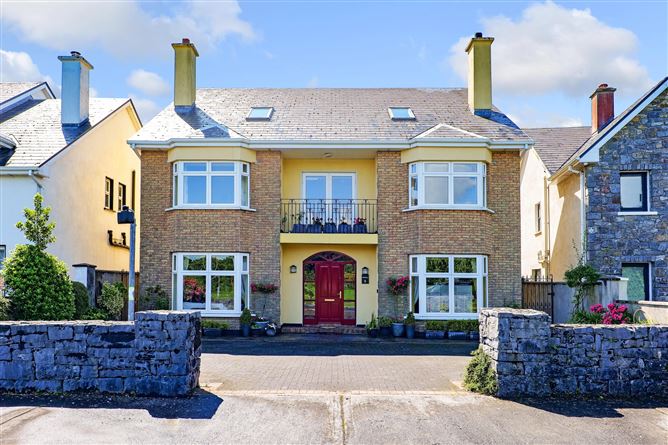
 Commercial property
€925,000
Galway
5 bd 7 ba 314 m²

75 homes and apartments for sale in Galway, Ireland.
24 properties shown
Commercial property€925,000
Galway
 House
€300,000
Galway
 House
€825,000
Galway
 House
€485,000
Galway City
 Apartment
€285,000
Galway
 House
€650,000
Galway City
 House
€280,000
Galway
 Apartment
€275,000
Galway
 House
€495,000
Galway City
 Apartment
€350,000
Galway City
 Apartment
€375,000
Galway City
 Apartment
€325,000
Galway City
 Apartment
€435,000
Galway
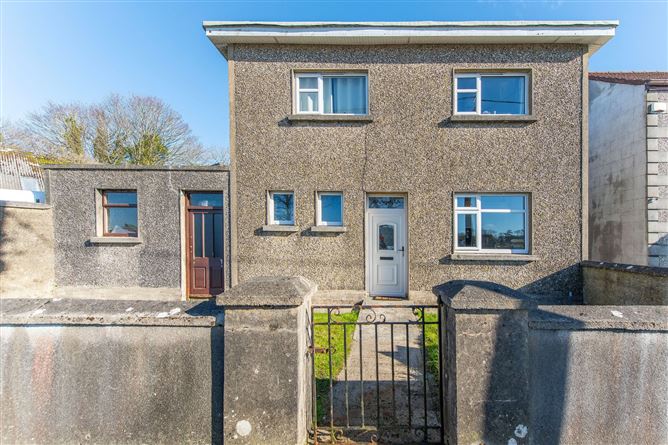 House
€650,000
Galway
 House
€550,000
Galway
 Apartment
€295,000
Galway
 Apartment
€380,000
Galway City
 Apartment
€350,000
Galway
 Apartment
€425,000
Galway
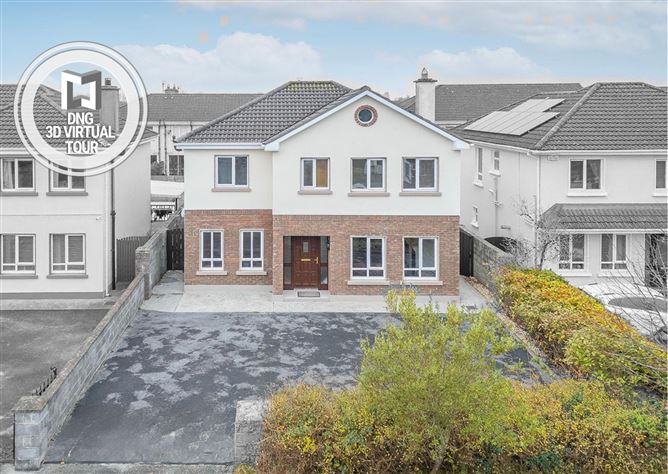 House
€565,000
Galway
 House
€1,100,000
Galway
 House
€1,400,000
Galway
 House
€460,000
Galway City
 House
€1,150,000
Galway City
Buyer's guide: Galway
Property for sale in Galway gives you a university, tech and festival city on Ireland's Atlantic coast, at prices below Dublin. Current listings on RealEstateAbroad show a median asking price of €455,000 across 62 properties, mostly houses and apartments.
All numbers come from current listings on RealEstateAbroad and are asking prices. Irish sellers usually advertise a guide price, and competitive sales close above it, so build a margin into your budget.
| Indicator | Value |
|---|---|
| Active listings | 62 |
| Median asking price | €455,000 |
| Middle 50% of prices | €350,000 to €712,500 |
| Median price per m² | €4,760 |
| Median size | 102 m² |
There are 37 houses in the listings, 19 apartments, 5 land plots and 1 commercial unit. Houses lead because Galway's expansion has been mostly suburban, in estates around the city and in coastal villages.
For bedrooms, four-bed homes are the largest group with 17 listings, followed by 15 three-bed, 14 two-bed, 9 with five or more and 2 one-bed. The upper quartile reaching €712,500 reflects larger detached homes in Salthill, Knocknacarra and coastal suburbs, while the lower quartile of €350,000 covers older semis and city flats.
| Bedrooms | Listings |
|---|---|
| 1 | 2 |
| 2 | 14 |
| 3 | 15 |
| 4 | 17 |
| 5+ | 9 |
Galway is the main city of the west of Ireland, with a lively centre around Shop Street, Eyre Square and the Latin Quarter. The Spanish Arch and the Claddagh sit on the river mouth, and Salthill's seafront promenade is the city's beach district. The West End is bohemian; Knocknacarra and Renmore are family suburbs.
The city is home to the University of Galway and ATU, plus medical-device and software employers, which keeps rental demand firm. Galway hosts the Arts Festival and the Galway Races each summer. Dublin is around 2.5 hours by train or motorway, and Shannon and Knock airports are within an hour to an hour and a half, though most international buyers fly into Dublin.
To compare with the capital and its commuter belt, see Dublin, Malahide, Blackrock or Naas, all at higher prices or longer commutes.
There are no restrictions on foreign buyers of Irish residential property. The steps are:
Legal fees commonly run around 1% to 1.5% plus VAT. Non-resident buyers can find mortgages harder; some Irish lenders will lend with larger deposits. Check BER energy rating and any pyrite or mica issues in construction, which affected some Irish counties. See our Ireland consultation guide, the financing guide and the Ireland overview.
Within the city, buyers usually think in terms of Salthill for seaside living and a long promenade, the West End for character and walkability, Renmore and Mervue for practical family housing near the train station, and Knocknacarra for newer estates with good schools and shops. Outside the city, Oranmore and Barna offer coastal village life within about 15 to 20 minutes' drive. Ask about parking, since many older terraced streets have none, and about flood risk near the Corrib and the Claddagh. The area is also dependent on bus and cycle improvements, so check current transport plans. For cheaper alternatives nationwide, see the Ireland cheap property page.
Short-term letting in Galway is regulated, with planning permission rules in some areas. Long-term lettings fall under Irish tenancy law, with rent pressure zones that limit increases. Use the mortgage calculator to estimate cost.
Last updated 8 October 2026
Typically yes. The median asking price here is €455,000 and about €4,760 per m². Compare it with Dublin's markets to see the gap for similar homes.
Yes. Irish law places no restrictions on foreigners buying residential property, though a mortgage may need a larger deposit.
Residential stamp duty is 1% on the first €1 million and 2% from €1m to €1.5m and 6% above €1.5m, at the time of writing. Ask your solicitor to confirm the current rate.
Students and medtech and software workers support demand, but rent controls apply in rent pressure zones. Calculate net yield after costs.
Typically 8 to 12 weeks from sale agreed to completion, depending on title and mortgage processing.