///

Explore Japan's office market in 2026: dropping vacancy rates and rising rents in Tokyo and beyond, amid a favorable investment climate.
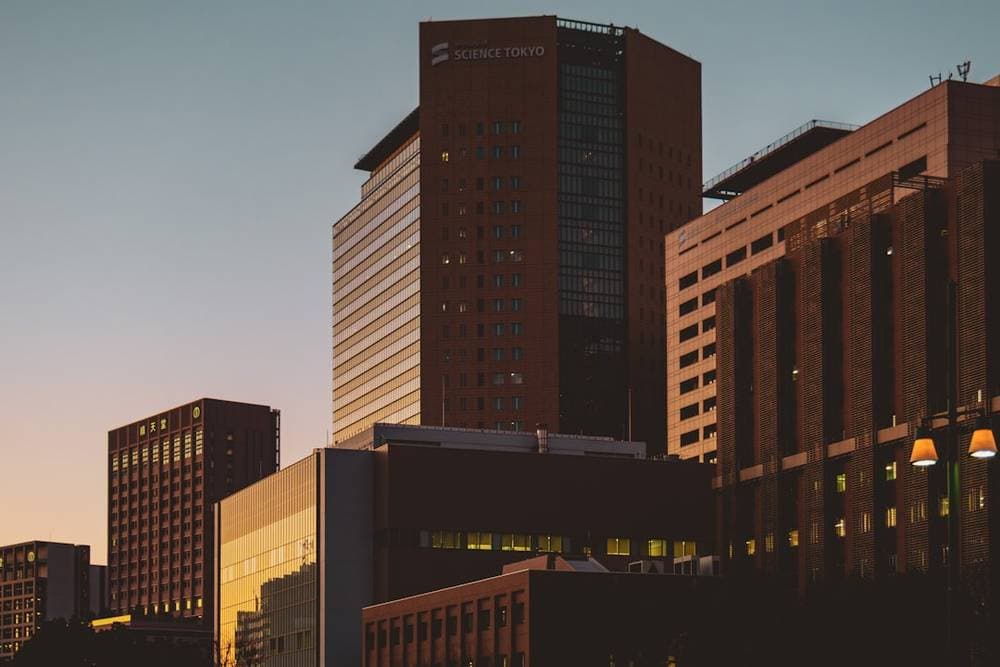
In a significant development for Japan's commercial real estate sector, the Tokyo office market has experienced a marked tightening, with vacancy rates dropping by 2.5% in 2026. According to estie Portal, this drop is not only indicative of the demand resurgence in Japan's capital but also highlights the broader trends impacting major business districts. Investors are keenly observing these shifts as they impact rental yields and the overall valuation of commercial properties across Tokyo. This continued strength in office occupancy points to a robust recovery from the pandemic-induced downturn, setting a positive outlook for the coming quarters.
Alongside decreasing vacancy rates, rental prices in Tokyo's prime office locations have been on a steady upward trajectory. As reported by Nikkei Real Estate Market Information, average asking rents have increased by 4% year-over-year. This surge is particularly evident in high-demand areas such as Marunouchi and Shinjuku, where modern office spaces are commanding a premium. The rising rents are attributed to a combination of factors, including limited supply of new office developments and the strategic long-term commitments by multinational corporations seeking to establish or expand their presence in Tokyo. For investors, these dynamics offer lucrative opportunities, albeit with increased entry costs.

Japan's office market's attractiveness is further enhanced by macroeconomic factors, such as the yen's weakness and persistently low interest rates. According to Japan Real Estate Market Trends, these conditions have spurred foreign investment, particularly from Asian markets. This influx of capital is not only supporting existing property values but also contributing to the competitive bidding for new developments. For international investors, the current economic environment provides an advantageous exchange rate and favorable borrowing costs, enhancing the appeal of Japanese real estate as a stable investment.
While Tokyo remains the central focus, other major cities such as Osaka and Fukuoka display mixed trends. According to estie Portal, Osaka has seen a marginal increase in vacancy rates, primarily due to over-supply in specific districts. Conversely, Fukuoka is witnessing a similar trend to Tokyo, with decreasing vacancy rates and rising rents. These regional differences highlight the importance of localized market analysis for investors aiming to diversify their portfolios across Japan. Factors such as regional economic activities, industry-specific demand, and urban development plans play crucial roles in shaping these trends.

🚨 Washington has ultimately SEIZED control of the Bank of Japan.
— Stern Drew (@SternDrewCrypto) July 31, 2026
US Treasury’s Scott Bessent just casually posts about “close coordination” with BoJ Governor Ueda, this is the smoking gun that America is dictating Japan’s rates.
Japan today has decided to not to hike interest… https://t.co/VtxTceFrKx pic.twitter.com/3Phd2CJNQg
Investor sentiment towards Japan's office market remains optimistic, bolstered by consistent upward trends in both occupancy and rents. As reported by Tokyo Portfolio, the continuous demand from technology and finance sectors fuels this optimism. Additionally, the government's supportive economic policies and infrastructure developments contribute to a conducive investment environment. "The ongoing revitalization of Japan's urban centers and robust investor interest indicate a sustained growth trajectory for the office market," says Maya Tarek, Senior Analyst at RealEstateAbroad.com.
"The ongoing revitalization of Japan's urban centers and robust investor interest indicate a sustained growth trajectory for the office market," says Maya Tarek, Senior Analyst at RealEstateAbroad.com.
Looking ahead, experts project sustained growth in Japan's office market, driven by economic recovery and urban redevelopment initiatives. As vacancy rates continue to fall and rents rise, the sector is poised for expansion. According to Nikkei Real Estate Market Information, the anticipated launch of several high-profile office projects is expected to meet burgeoning demand, while also providing opportunities for strategic investments. Investors are advised to keep an eye on infrastructure projects and government policies that could further influence market dynamics. RealEstateAbroad.com's analysis suggests that adaptability to evolving trends will be key to capitalizing on Japan's thriving office sector.
Get the latest real estate news, market insights, and investment opportunities delivered straight to your inbox. Join 50,000+ investors staying ahead of the curve.
We respect your privacy. Unsubscribe at any time.
Dedicated team of financial journalists and real estate analysts providing timely, accurate news coverage on international property markets.