
 Apartment
₩1,119,000,000
Seoul
84 m²

5,036 homes, apartments and plots from local agents and developers, across 2 cities and towns.
Listings link to the original agent or portal, where you can contact the seller directly.
35 properties shown
Apartment₩1,119,000,000
Seoul
 Apartment
₩1,700,000,000
Seoul
 Apartment
Price on request
Seoul
 Apartment
₩1,600,000,000
Seoul
 Apartment
₩1,700,000,000
Seoul
 Apartment
Price on request
Incheon
 Apartment
Price on request
Gyeonggi
 Apartment
Price on request
Seoul
 Apartment
Price on request
Gyeonggi
 Apartment
₩2,450,000,000
Seoul
 Apartment
Price on request
Seoul
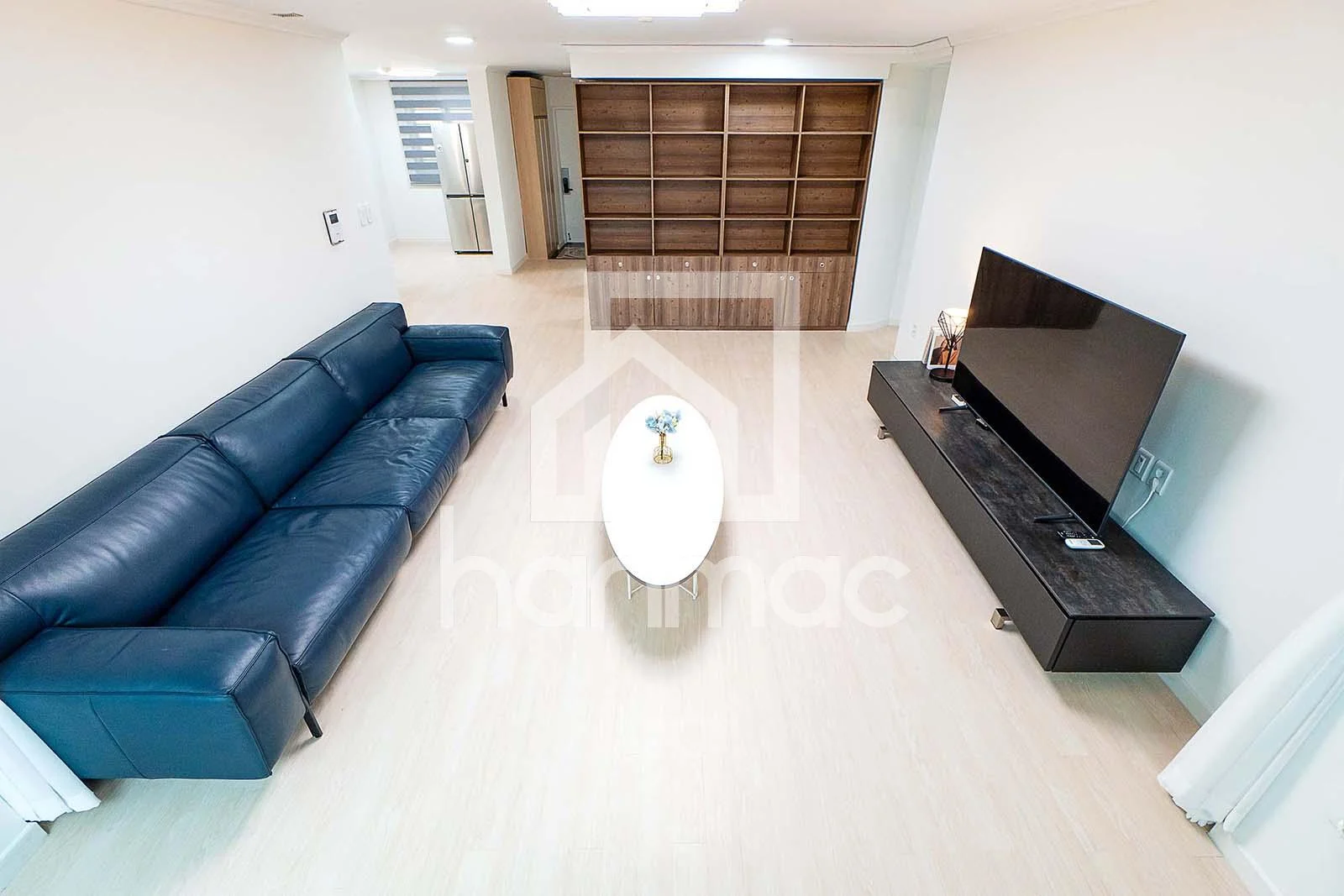 Apartment
₩5,500,000
Gangnam-gu
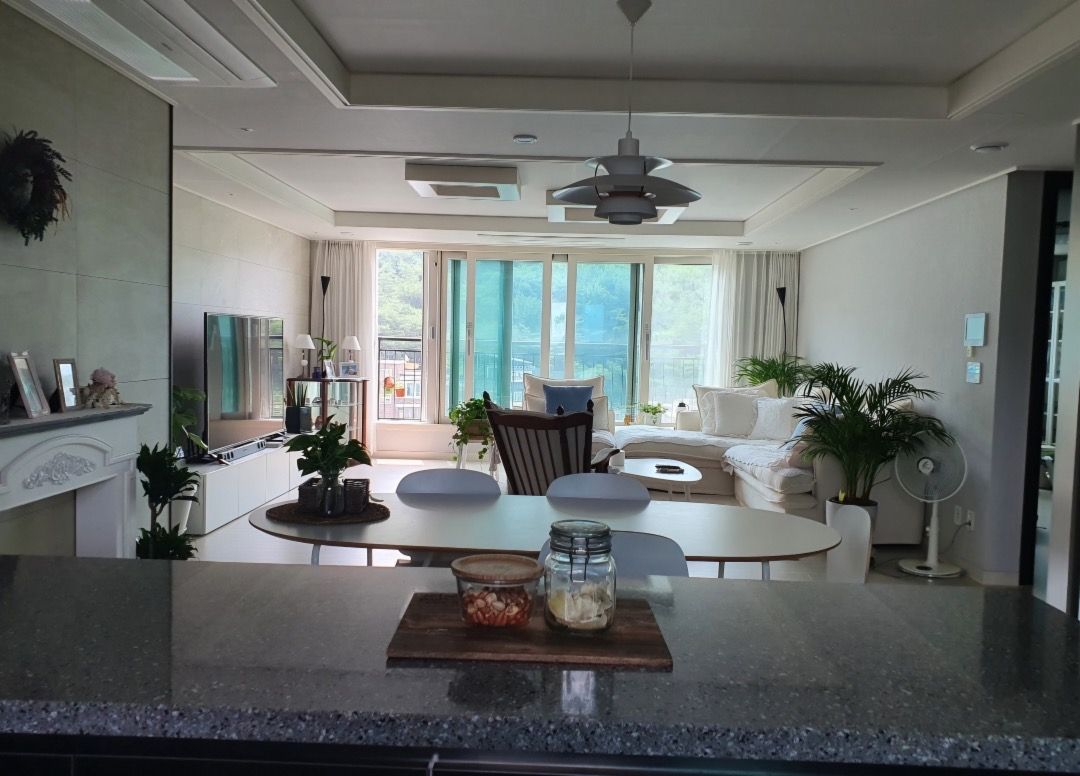 Apartment
₩8,000,000
Seoul Homes
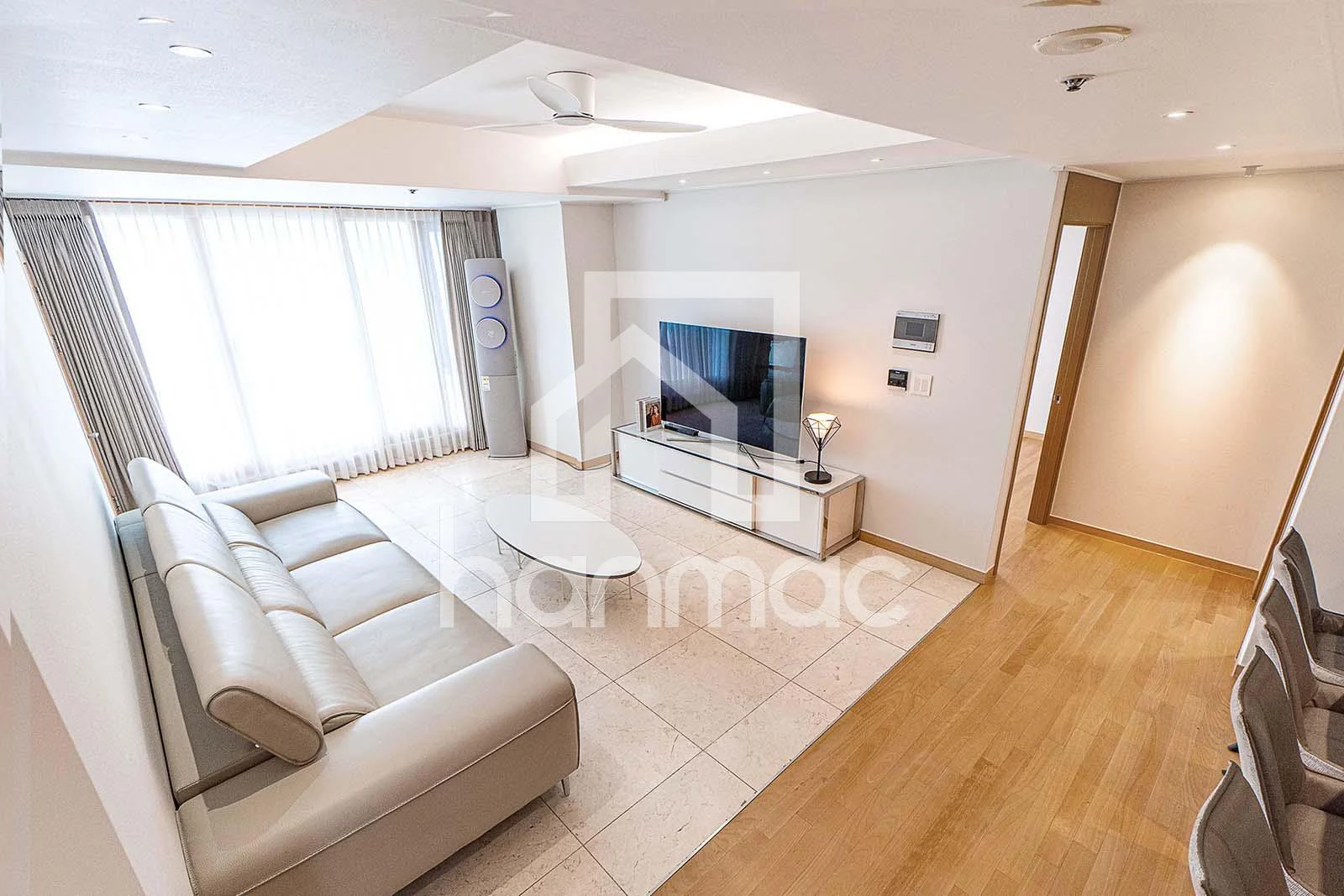 Apartment
₩5,500,000
Seocho-gu
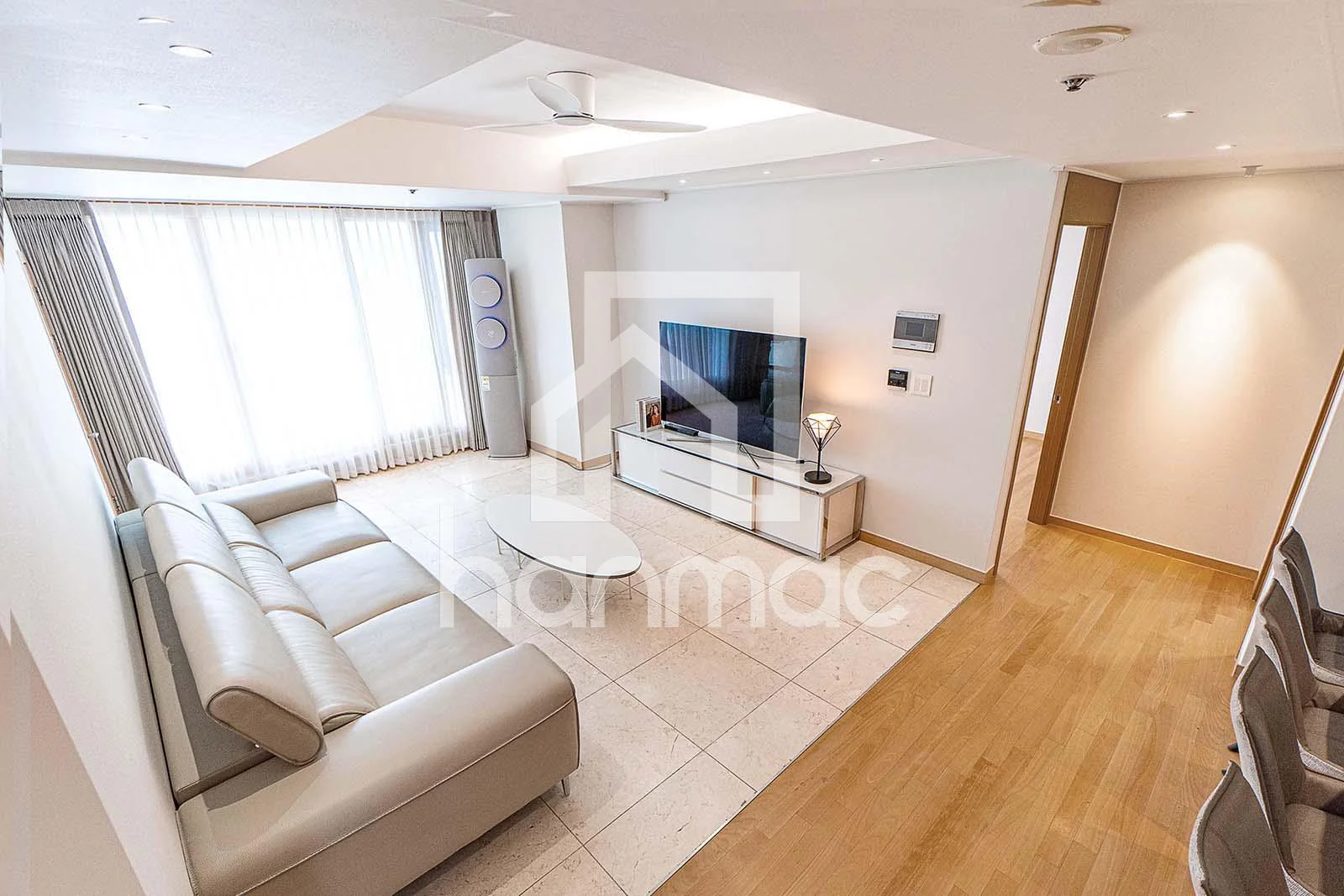 Apartment
₩5,500,000
Seocho-gu
 Apartment
₩5,500,000
Gangnam-gu
 Apartment
₩4,500,000
Gangnam-gu
 Apartment
₩6,900,000
Gangnam-gu
 Apartment
₩3,300,000
Gangnam-gu
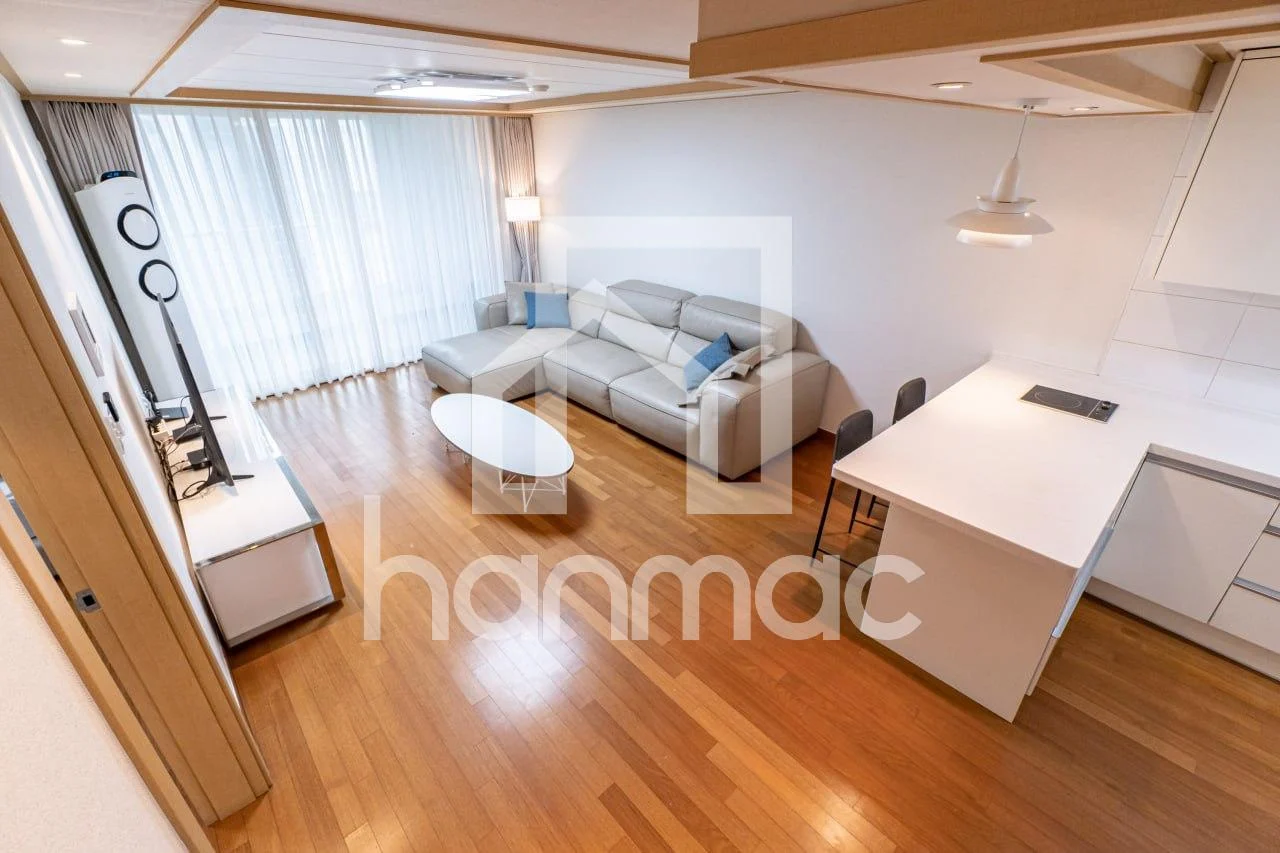 Apartment
₩5,500,000
Gangnam-gu
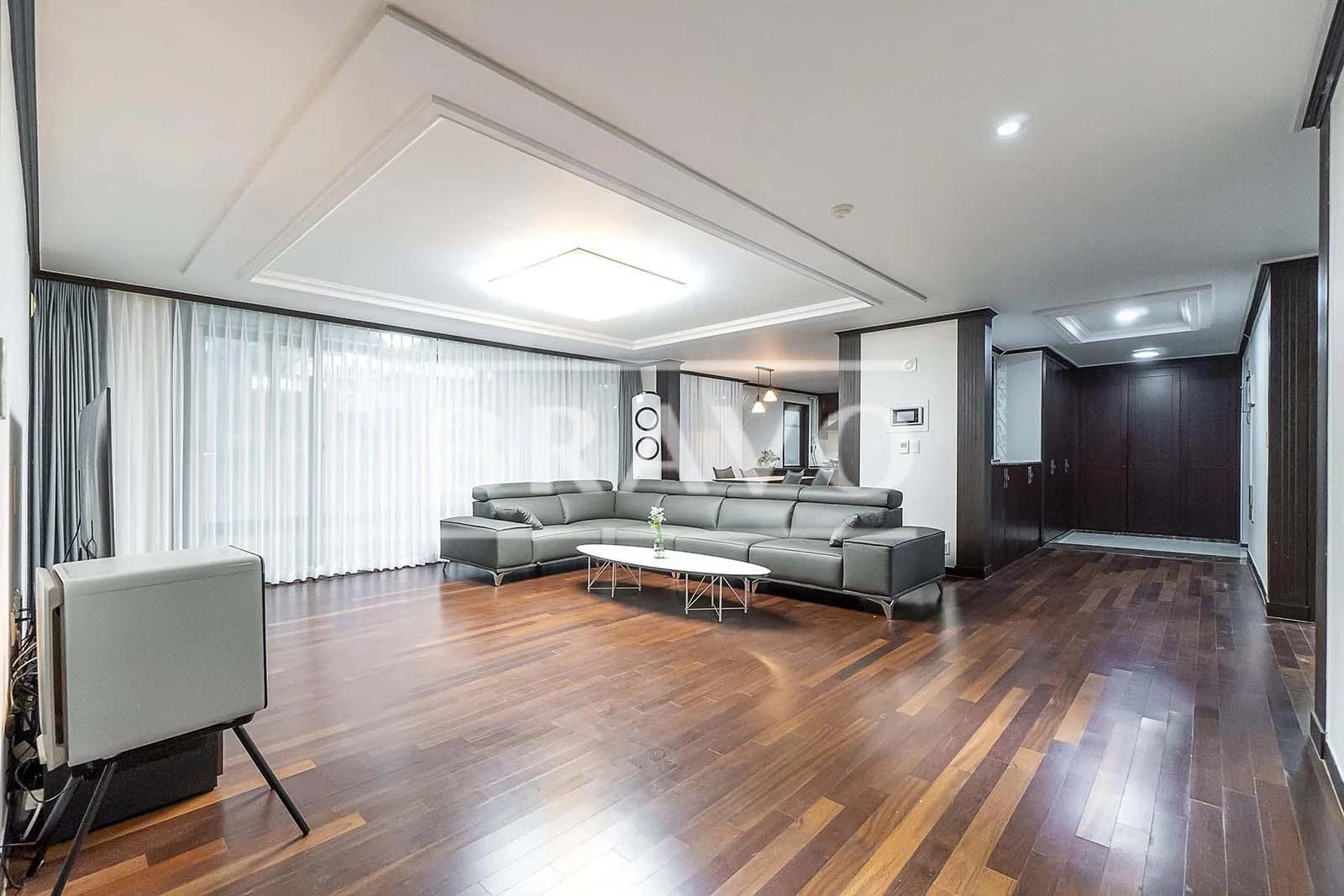 Apartment
₩9,000,000
Gangnam-gu
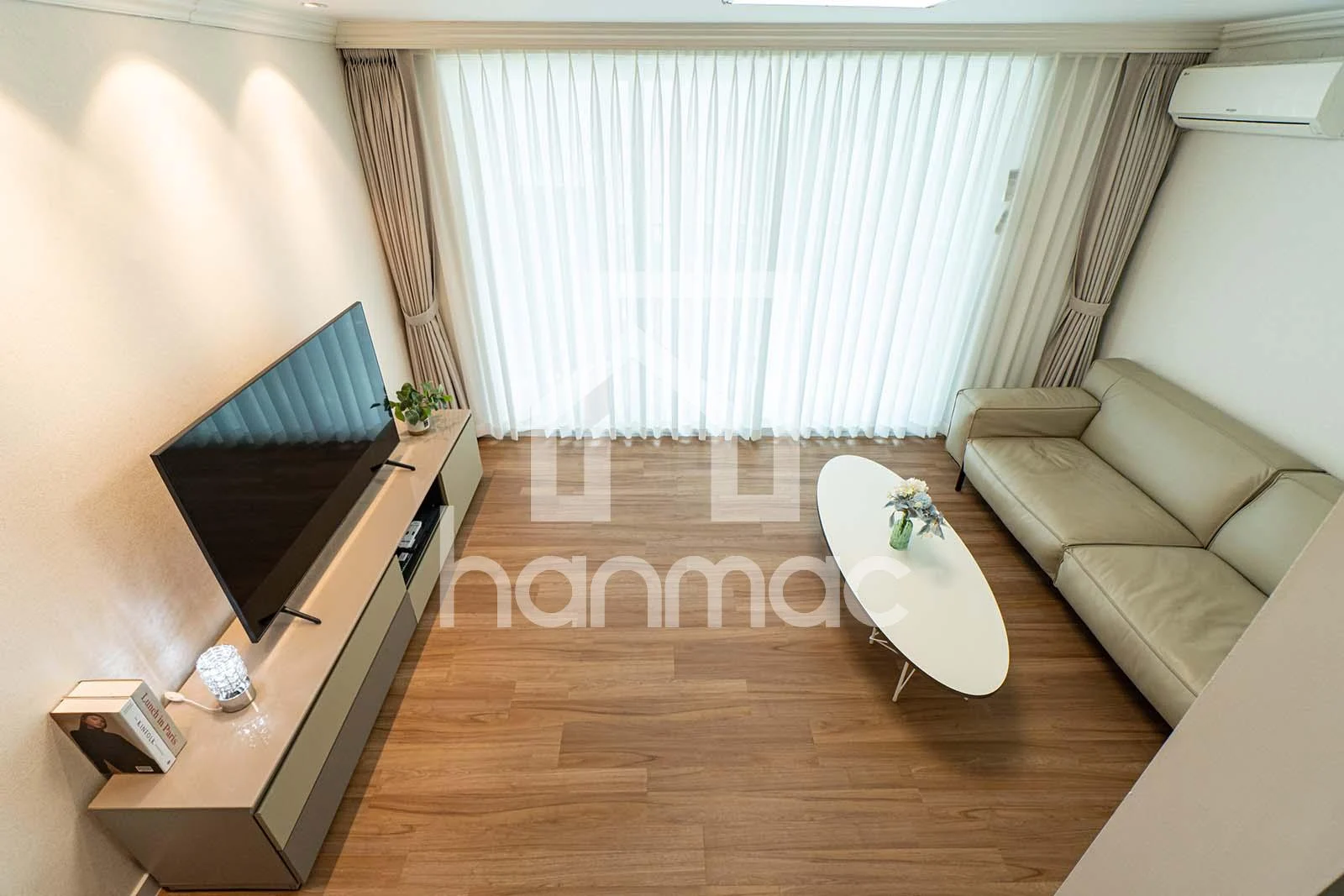 Apartment
₩3,500,000
Gangnam-gu
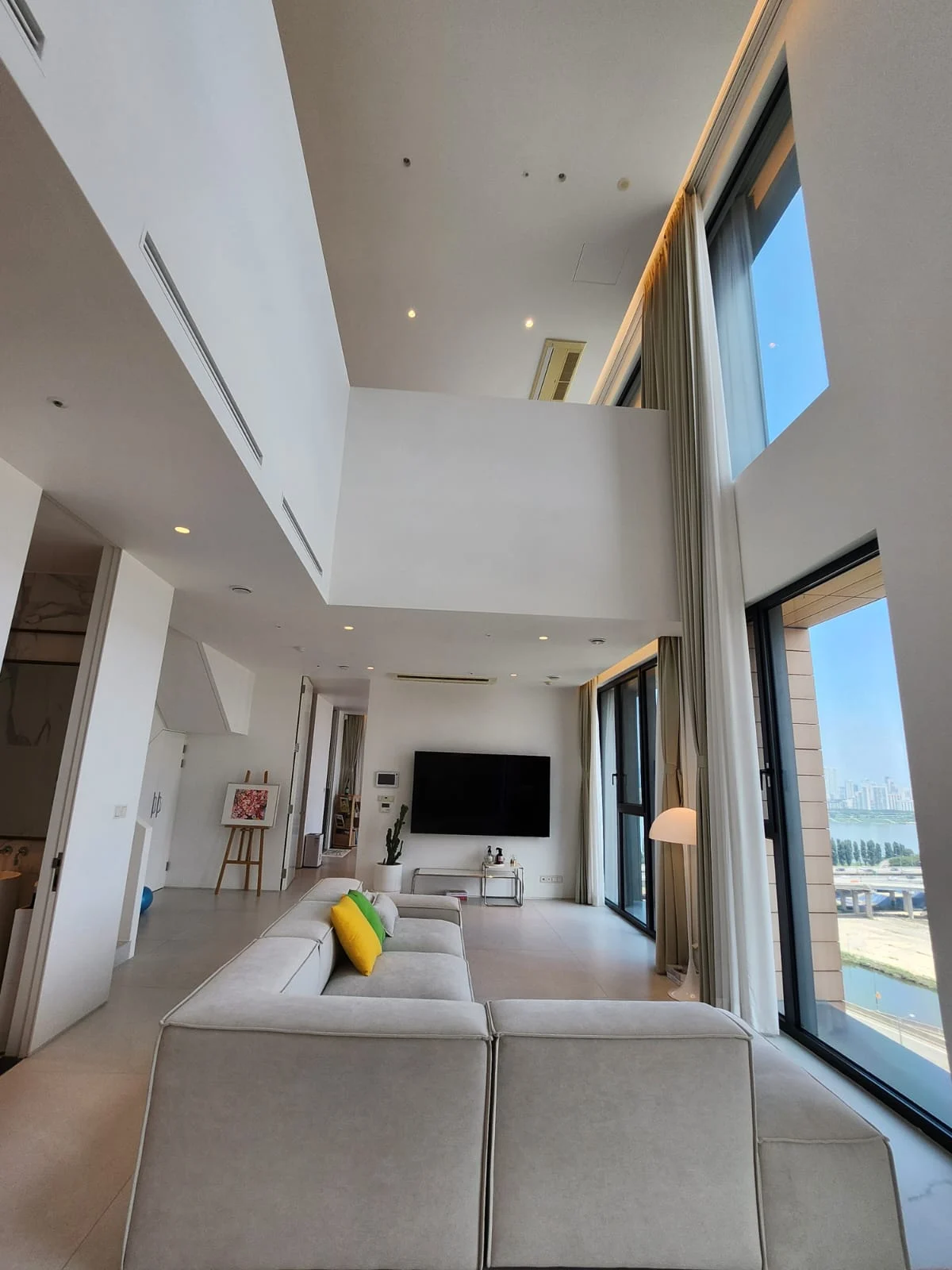 Apartment
₩8,000,000,000
Gangnam-gu
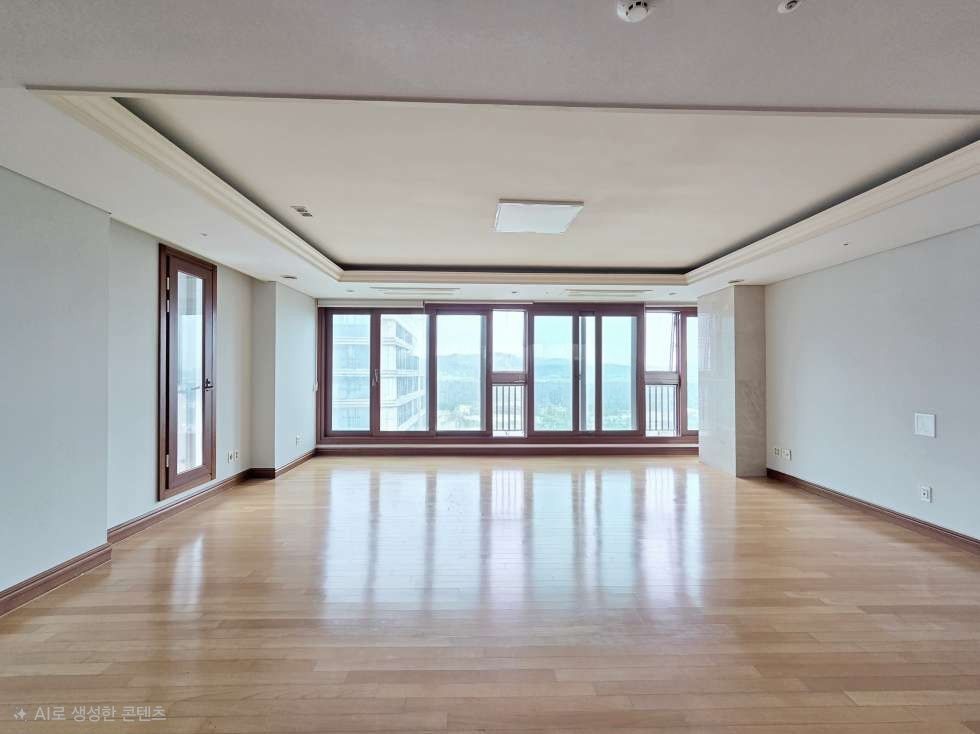 Apartment
₩10,000,000
Yongsan-gu
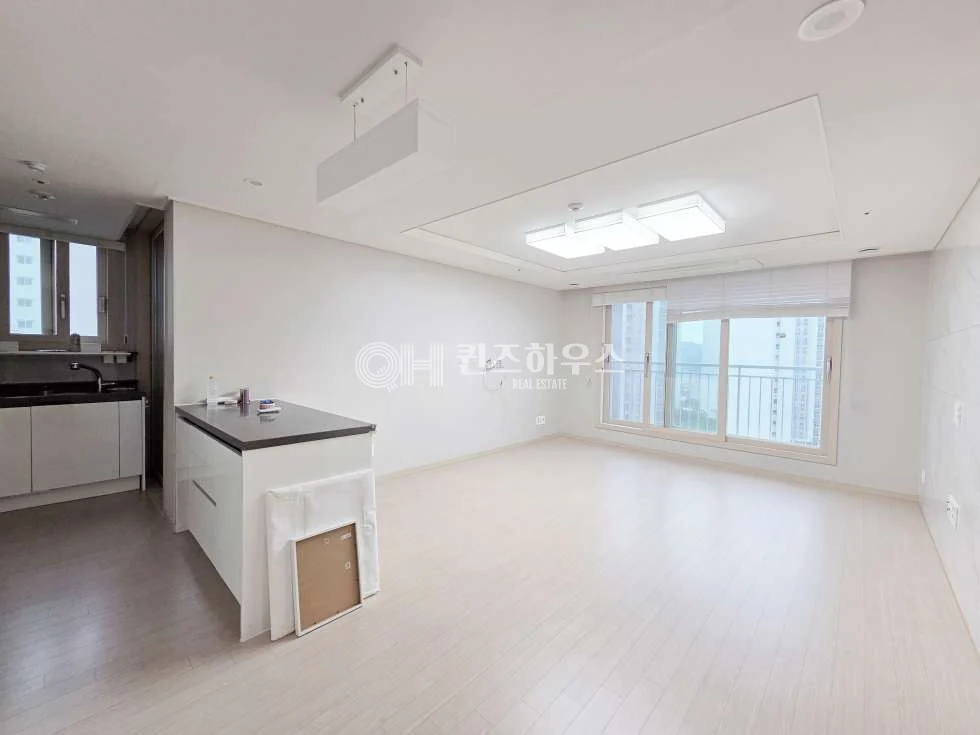 Apartment
₩3,000,000
Seoul Homes
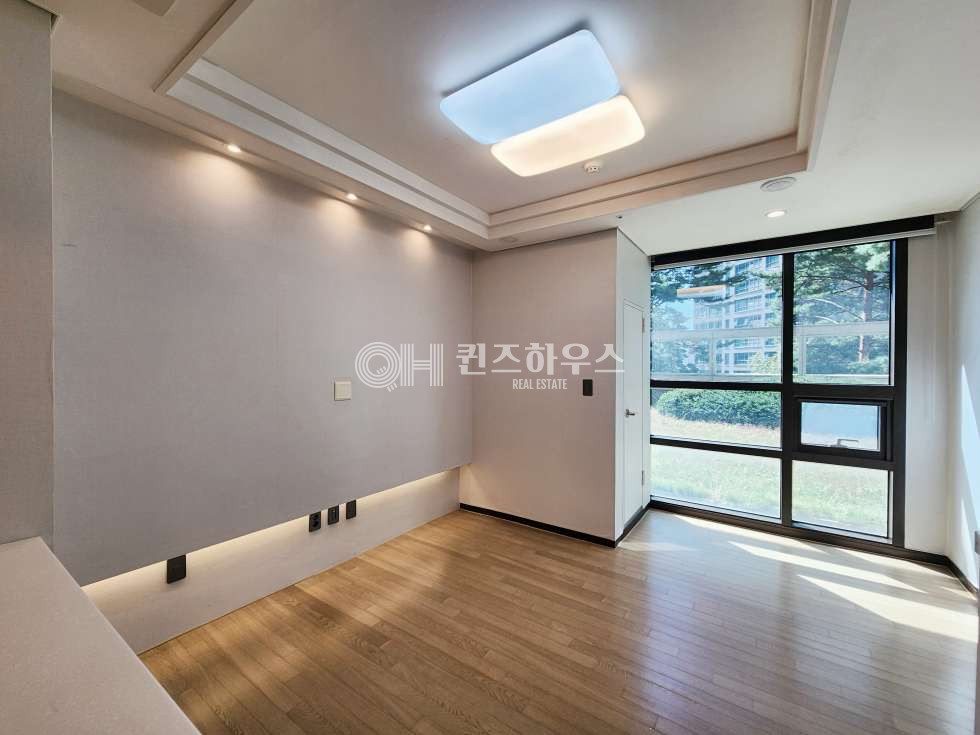 Apartment
₩7,500,000
Yongsan-gu
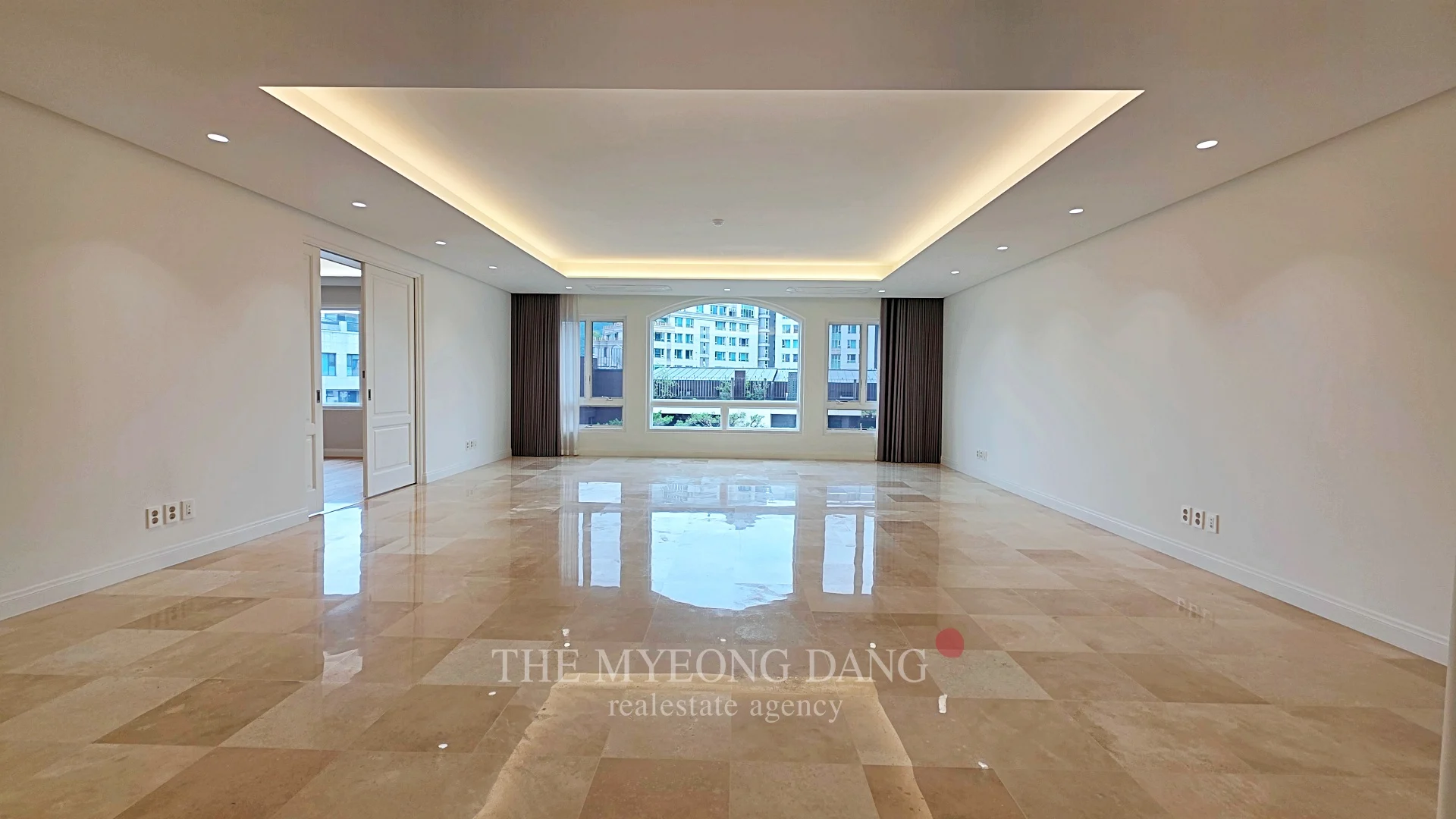 Apartment
₩30,000,000
Seocho-gu
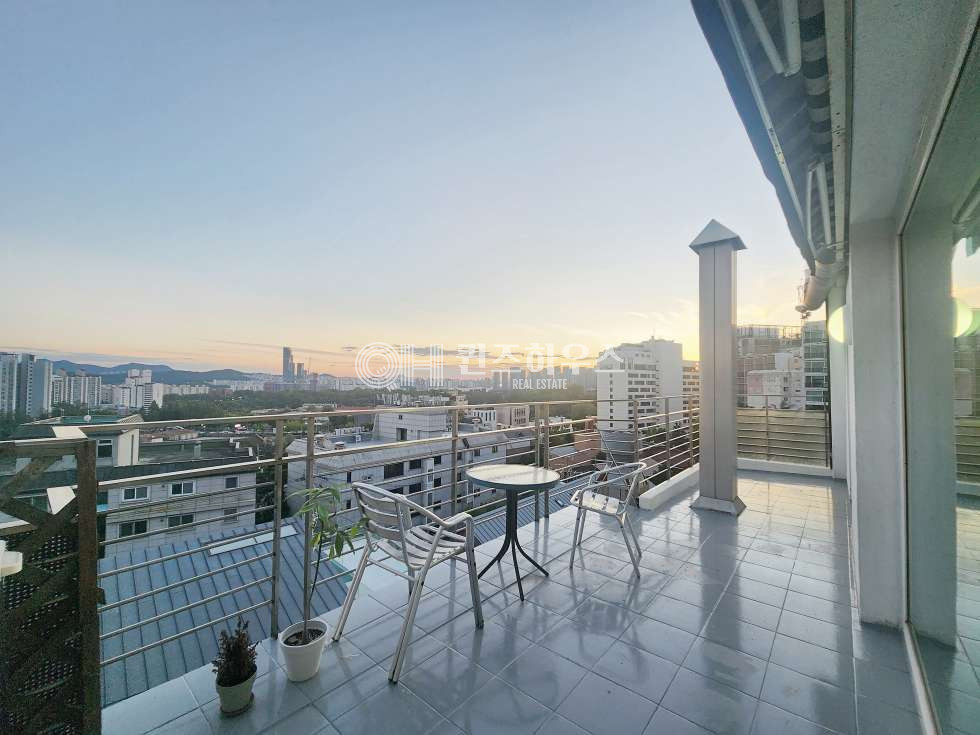 Apartment
₩4,500,000
Yongsan-gu
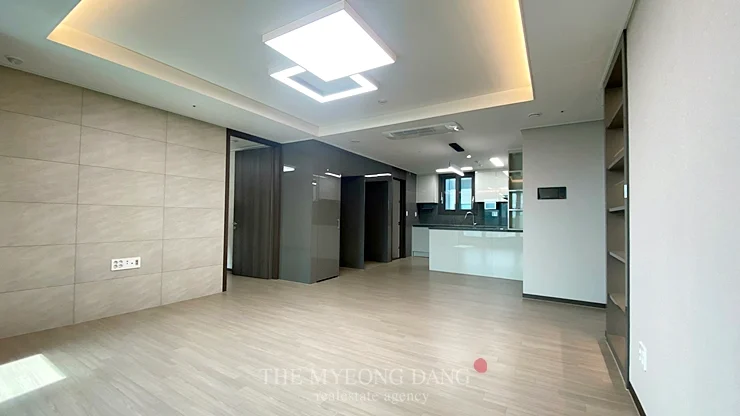 Apartment
₩4,000,000
Seoul Homes
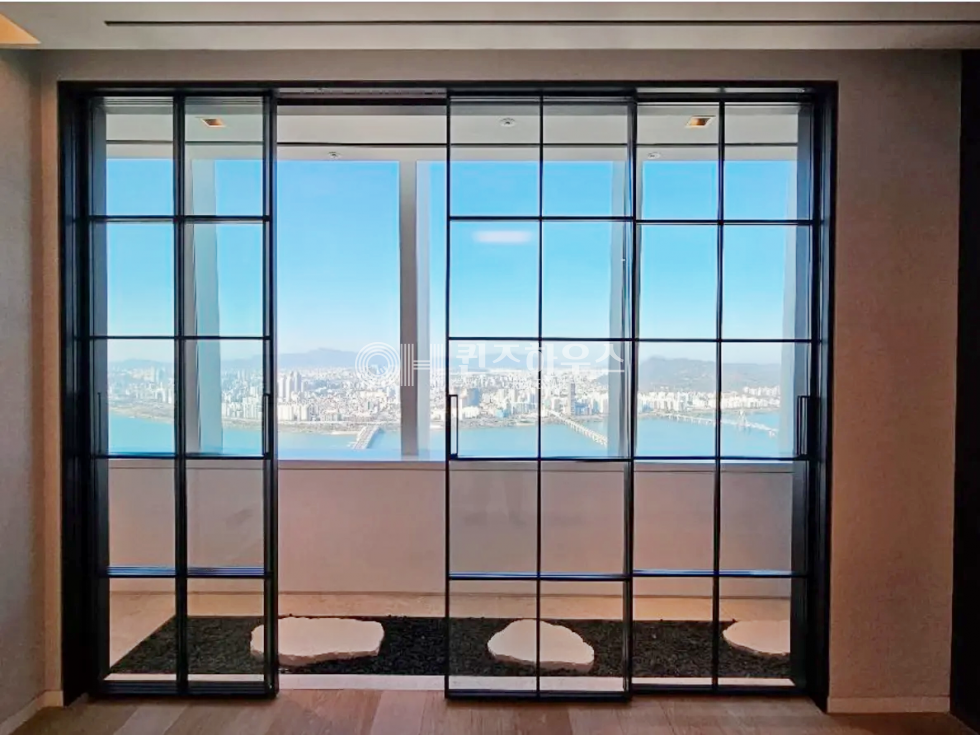 Apartment
₩35,000,000
Songpa-gu
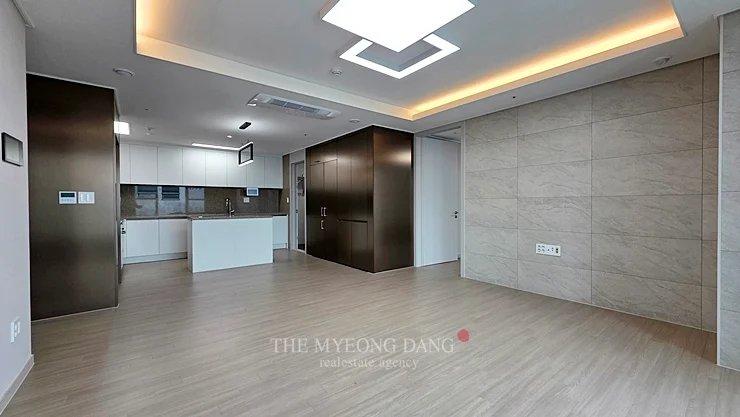 Apartment
₩900,000,000
Seoul Homes
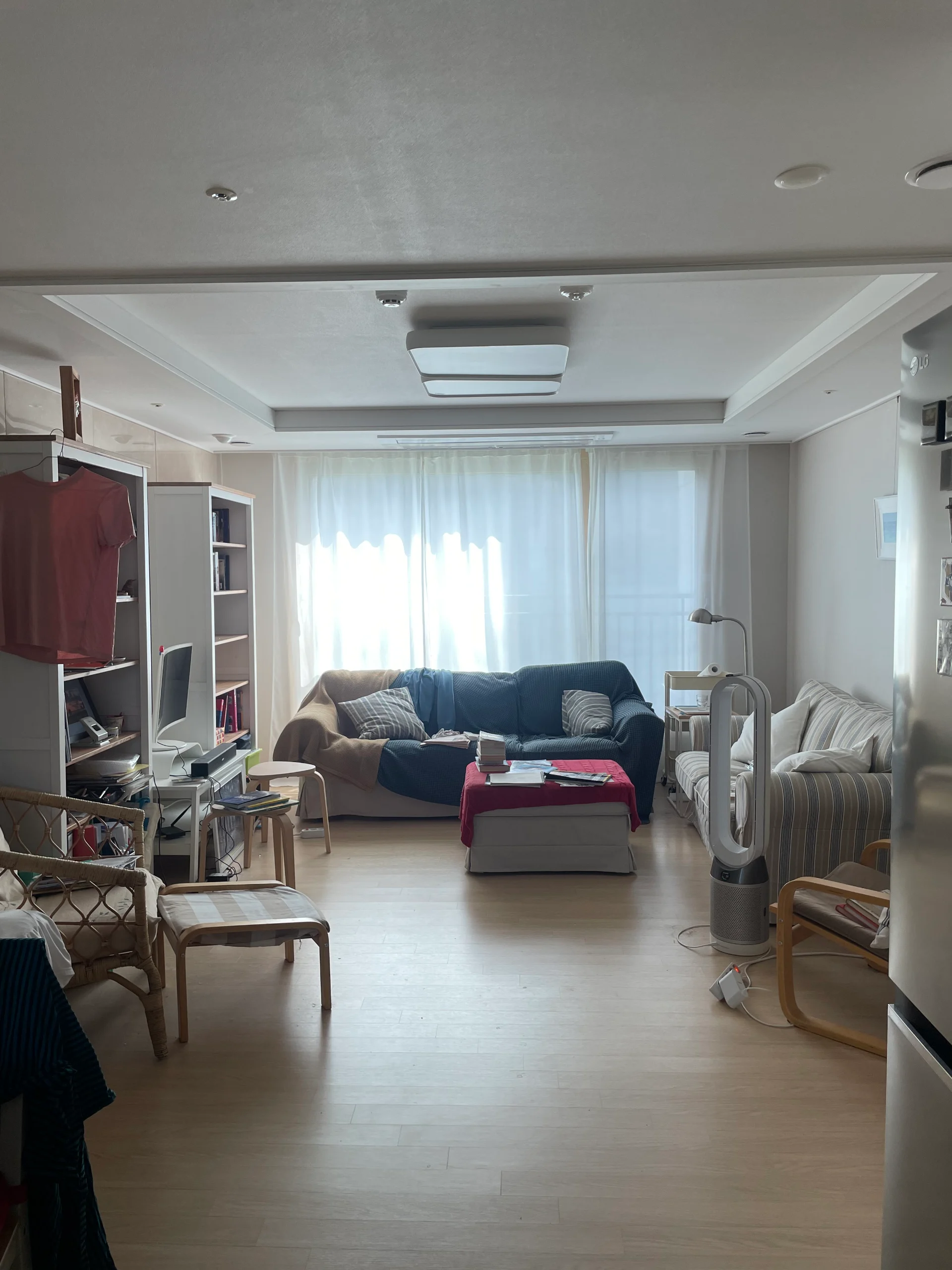 Apartment
₩4,500,000
Seoul Homes
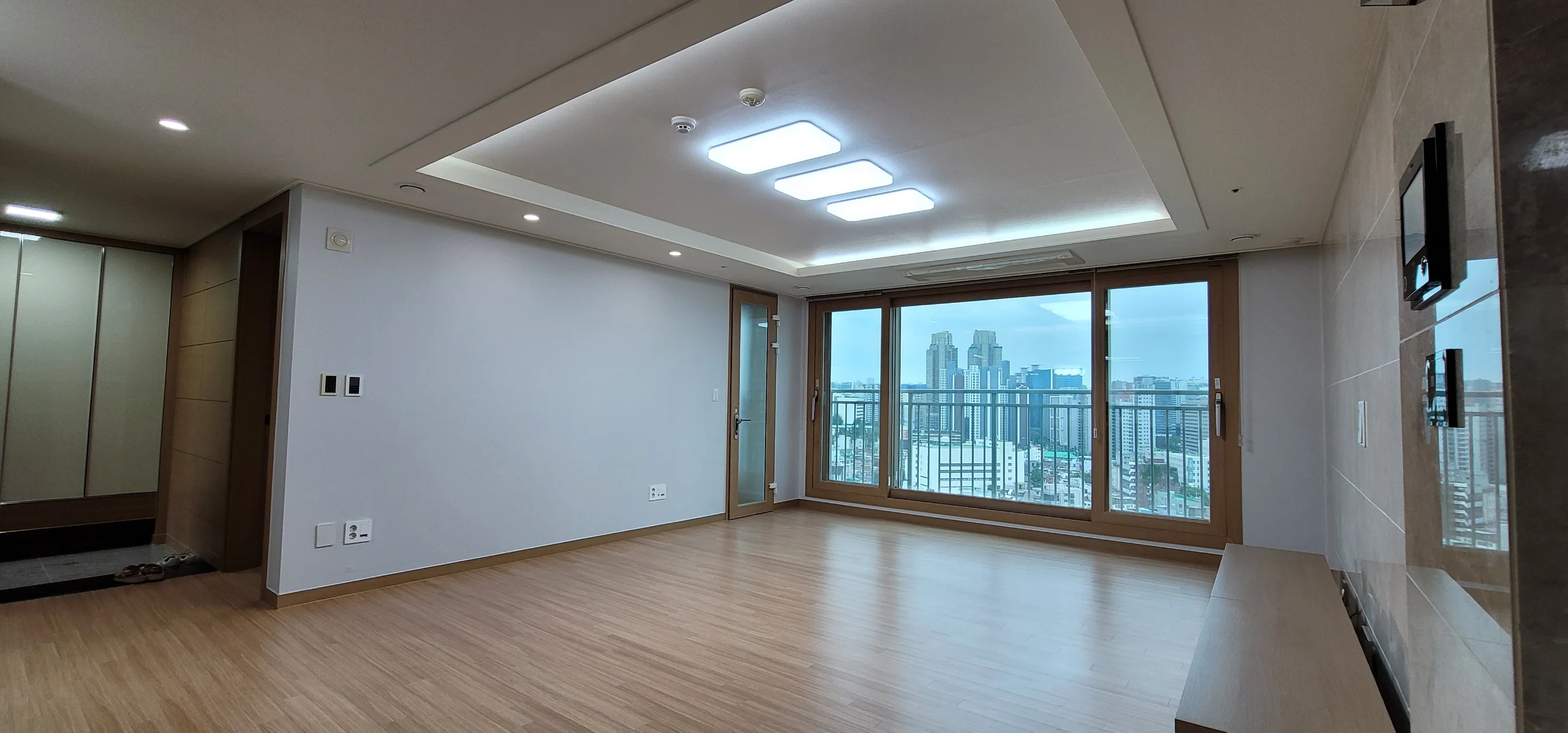 Apartment
₩4,500,000
Mapo-gu
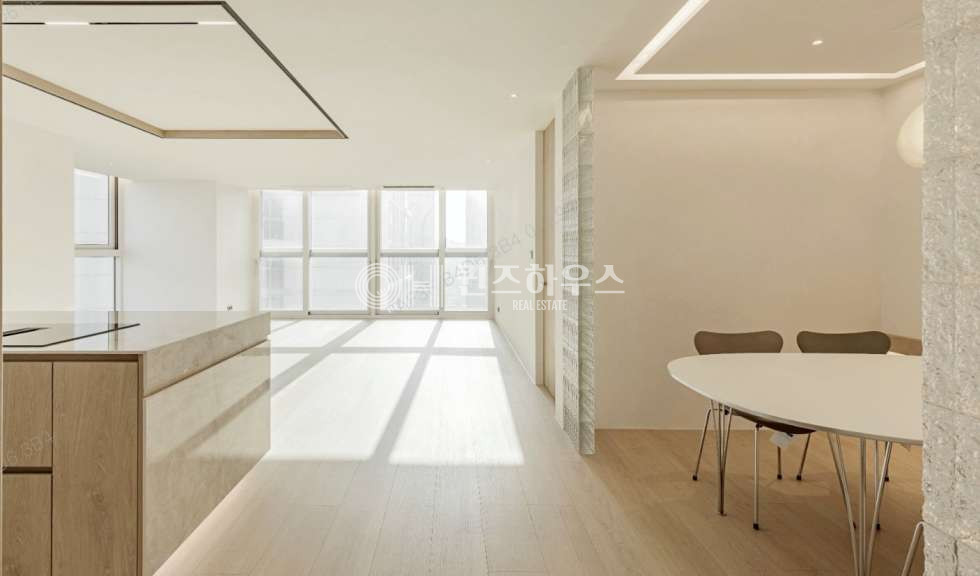 Apartment
₩7,000,000
Mapo-gu
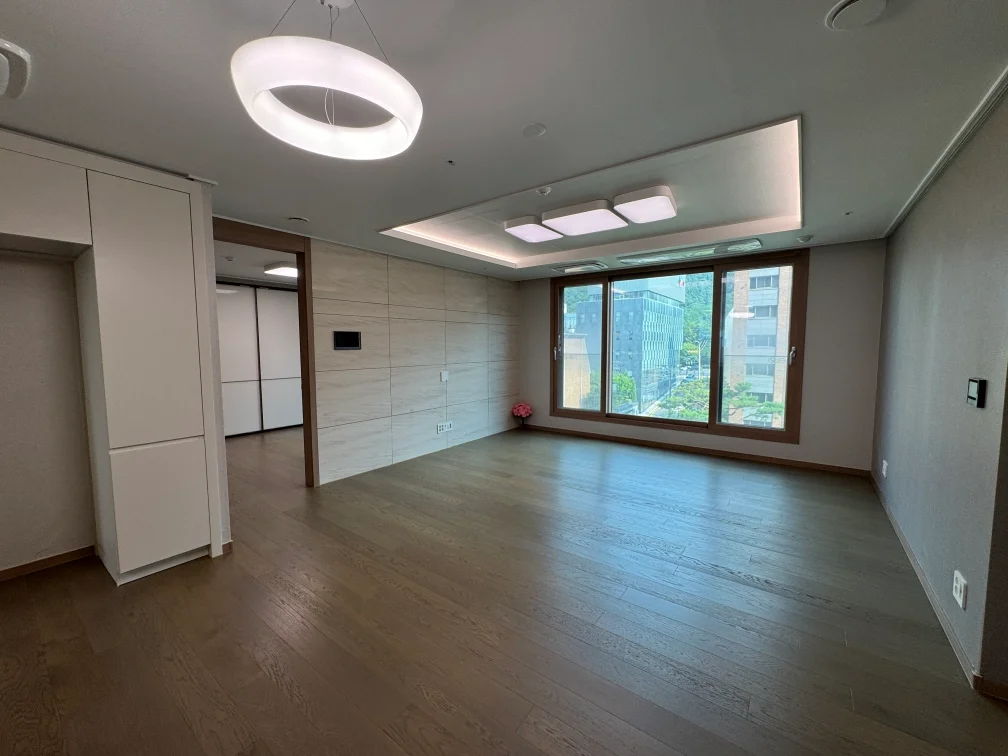 Apartment
₩5,500,000
Seocho-gu
Cities and towns with the most properties for sale right now.
Buyer's guide: South Korea
Looking at property for sale in South Korea is different from most markets, because our current listings lean heavily towards commercial buildings, land and detached houses rather than city apartments. This guide explains what those listings tell you, how foreigners can buy property in South Korea, and which taxes and permits to plan for. Browse the live South Korea houses, commercial property and land pages alongside it.
The figures below come from current listings on RealEstateAbroad. They are asking prices, converted to euros from Korean won, not completed sale prices. Our South Korea inventory is dominated by commercial buildings and land plots, which pushes the averages far above what a typical flat or house costs, so read the table as a picture of what is advertised rather than of the housing market as a whole.
| Indicator | Value |
|---|---|
| Active listings | 1,703 |
| Median asking price | €2,861,345 |
| Middle 50% of prices (p25 to p75) | €1,197,772 to €6,181,835 |
| Median price per m² | €5,710 |
| Median size | 751 m² |
| Type mix (listings with type data) | Commercial 1,618, land 919, house 322 |
We do not yet have enough listings in any single Korean city to publish a dedicated city page, so the best starting point is the country listings feed and the type pages. Most international buyers focus on a few areas: Seoul and its satellite cities for capital growth and rental demand, Busan for coastal living and port-related business, Jeju Island for resort and lifestyle purchases, and Incheon for its free economic zone and airport links.
If you are sizing up a budget, the cheap property and under 100k pages show the lower end of the market, which in Korea usually means small rural houses, agricultural-adjacent plots and older units outside the big metro areas. For a wider comparison of destinations, see our country directory.
Commercial buildings are the largest group in our feed. These range from small mixed-use buildings with shops on the ground floor to office and hospitality assets. Browse them on the commercial property page. Income is usually quoted per building rather than per unit, and tenancy structures can be unfamiliar, because Korean leases often involve large refundable deposits.
Land is the second group, and the land page is where you will see plots of very different character. Zoning decides everything: farmland, forest land and building land follow different rules, and farmland purchases carry extra restrictions.
Houses make up the smallest group. The houses for sale in South Korea page lists detached and rural homes. Remember that most Koreans live in large apartment complexes, called apartu, which are less commonly marketed to overseas buyers through portals like ours.
Korea is one of the more open Asian markets. Foreigners can generally own homes and commercial buildings on the same legal basis as citizens, subject to reporting duties and some location-based permits.
Certain locations, such as military protection zones, ecologically sensitive areas and designated land-transaction permit zones, may require prior permission for foreigners. Rules for permit zones have been tightened in recent years, so ask your lawyer to check the exact parcel before you pay anything.
Rates below are approximate and change often. Verify locally before committing.
| Cost | Typical range (approx.) | Notes |
|---|---|---|
| Acquisition tax | 1% to 3% for a single home; up to 12% for multiple-home owners | Plus local education tax and rural special tax; commercial and land are usually about 4.6% all-in |
| Registration and scrivener fees | 0.1% to 0.3% | Depends on price and complexity |
| Agent commission | Up to about 0.4% to 0.9% for sales, set by local ordinance | Larger commercial deals are negotiated |
| Legal fees | Often a fixed fee or 0.2% to 0.5% | Worth paying for title and zoning checks |
| Annual property tax | Roughly 0.1% to 0.4% of the assessed value | Comprehensive real estate holding tax applies to high-value residential holdings |
| Capital gains tax | Progressive, with surcharges for multiple-home owners | Non-residents are taxed on Korean property gains |
Mortgages are controlled tightly by regulators, and loan-to-value and debt-service limits are adjusted by government policy as housing prices move. Korean banks lend mainly to residents with local income, so most overseas buyers pay cash or use equity from their home country. Non-resident loans, where offered, tend to be smaller and carry higher rates.
If you intend to live in the country, a long-term visa and a local credit history make a big difference. Whatever route you take, model the numbers in our mortgage calculator and read the South Korea financing guide. One Korean peculiarity is the jeonse lease, where a tenant pays a lump-sum deposit instead of monthly rent. It shapes how landlords fund their purchases and how investors calculate returns.
Buying a home does not by itself give you the right to live in Korea. However, Jeju Island and some designated resort developments have offered a residence visa (the F-2 or F-5 route) for foreigners who invest above a set threshold in qualifying resort property. Thresholds and eligible projects change, so confirm with the immigration office before relying on this route.
For most buyers, a work, retirement, business or marriage visa is the practical path. Our consultation page for South Korea walks through the professionals you will need, and the market analysis gives broader context.
Pros
Cons
In Korea the legal title is rarely the problem. Zoning, permits and tax status decide whether a purchase works, so check them before you pay a deposit.
Last updated 8 October 2026
Yes. Foreigners can generally buy and own homes, commercial buildings and land in South Korea on the same basis as citizens. They must report the purchase to the authorities, and some areas, such as military or ecological zones, need prior permission.
No visa is needed to complete a purchase, but you will need an alien registration number or similar ID for the registry and tax filings. Owning property does not give you residency by itself, except under specific resort investment schemes.
Our current listings contain many commercial buildings and large land plots, which sit at the top of the price range. A typical Seoul flat or rural house will cost far less or far more depending on location, so use the type pages for a closer comparison.
It is difficult. Korean banks lend mostly to residents with local income, and regulators cap loan-to-value ratios. Many foreign buyers use cash or financing from their home country.
Expect acquisition tax, which is roughly 1% to 3% for a single home and higher for multiple homes or commercial property, plus small registration, agent and legal costs. Rates change, so confirm them with a local lawyer.
Jeonse is a Korean rental system where the tenant pays a large refundable deposit, often a high share of the property value, and no monthly rent. The landlord invests the deposit and returns it at the end of the lease.
It offers legal clarity and strong infrastructure, but high prices, heavy taxes on multiple homes and limited financing for foreigners reduce yields. Commercial and land deals can work well with a local partner. Read our South Korea market analysis before deciding.

