///

German commercial property financing sentiment drops to near-record lows, signaling caution from lenders and impacting market dynamics.
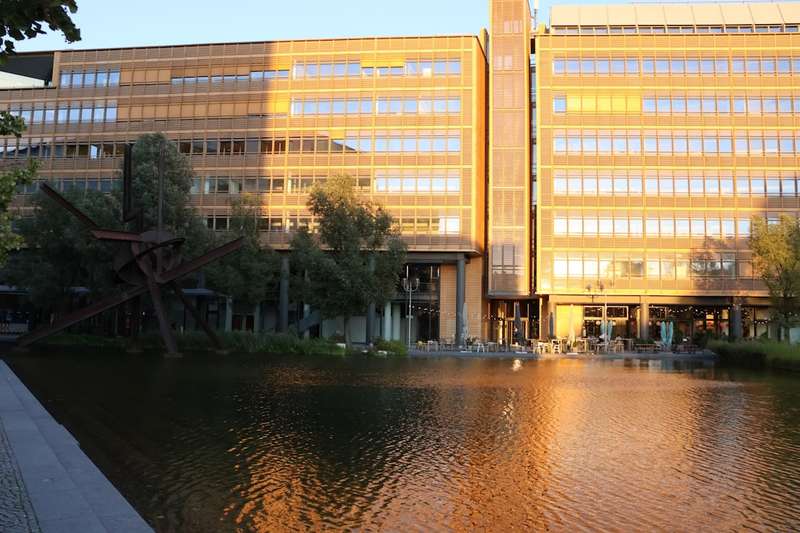
In a recent Reuters survey, sentiment around German commercial property financing has plunged to near-record lows. This is a significant development, signaling that lenders are maintaining a cautious stance despite earlier hopes for a recovery in the sector. The survey highlights a decline in confidence among financial institutions, which is concerning for the broader real estate market. Financing conditions are pivotal as they influence transactions, refinancing, and redevelopment activities within Germany's commercial real estate market. This downturn in sentiment suggests that financial caution could lead to a bottleneck in market activity, potentially stalling growth and investment opportunities.
The survey results reveal that lenders' confidence has been shaken significantly, with many institutions wary of the current economic environment. According to the data, lending volumes are expected to decrease further, impacting the liquidity available for new projects. The commercial real estate sector, which heavily relies on external funding, may face delays in project execution and a slowdown in new developments. Furthermore, interest rates remain a critical factor, influencing the cost of borrowing and investment returns. Market analysts note that the continuous fluctuation in interest rates could compound existing challenges, further straining the sector's financial stability.

While the overall sentiment is negative, regional variations do exist. In major cities like Berlin and Frankfurt, where commercial real estate activity is typically robust, the sentiment is somewhat more optimistic compared to smaller cities. Larger metropolitan areas benefit from diverse economic activities and international investments, which can provide some buffer against market downturns. In contrast, smaller regions face greater challenges due to a limited economic base and higher dependency on local financing. This geographical disparity underscores the need for targeted strategies to support commercial real estate financing across different regions.
The declining sentiment has prompted investors to reassess their strategies within the German commercial property market. As traditional financing avenues become constrained, alternative financing options such as Real Estate Investment Trusts (REITs) and private equity funds are gaining traction. Investors are also increasingly looking at joint ventures and partnerships to mitigate risks and pool resources. Additionally, there is a growing interest in sustainable and tech-driven real estate projects, which are perceived as more resilient in the face of economic uncertainties. These shifts in investment strategies could reshape market dynamics, with a potential increase in innovative project financing models.

According to Maya Tarek, Senior Analyst at RealEstateAbroad.com, "The current financing environment presents both challenges and opportunities for the German commercial real estate market. While traditional financing is under pressure, this period could usher in new investment models that emphasize sustainability and technology." Experts also note that regulatory changes could play a significant role in stabilizing the market. Initiatives aimed at improving transparency and reducing bureaucratic hurdles could enhance investor confidence and spur market activity. However, the path to recovery may require a coordinated effort between policymakers and industry stakeholders to address the underlying issues effectively.
Looking ahead, the future of Germany's commercial real estate market will largely depend on the resolution of current financing challenges. As the market navigates through this period of uncertainty, stakeholders must adopt flexible strategies to capitalize on emerging opportunities. The anticipated rise in real estate prices and rents in 2026, as reported by Market Screener, could provide a boost to investor confidence if accompanied by favorable financing conditions. To ensure sustainable growth, the industry must embrace innovation and adaptability as key drivers of future success.
Get the latest real estate news, market insights, and investment opportunities delivered straight to your inbox. Join 50,000+ investors staying ahead of the curve.
We respect your privacy. Unsubscribe at any time.
Dedicated team of financial journalists and real estate analysts providing timely, accurate news coverage on international property markets.