///

Taiwan's housing market sees a 5% rise in H1 2023, driven by strong exports and stock wealth, though mortgage restrictions remain a challenge.
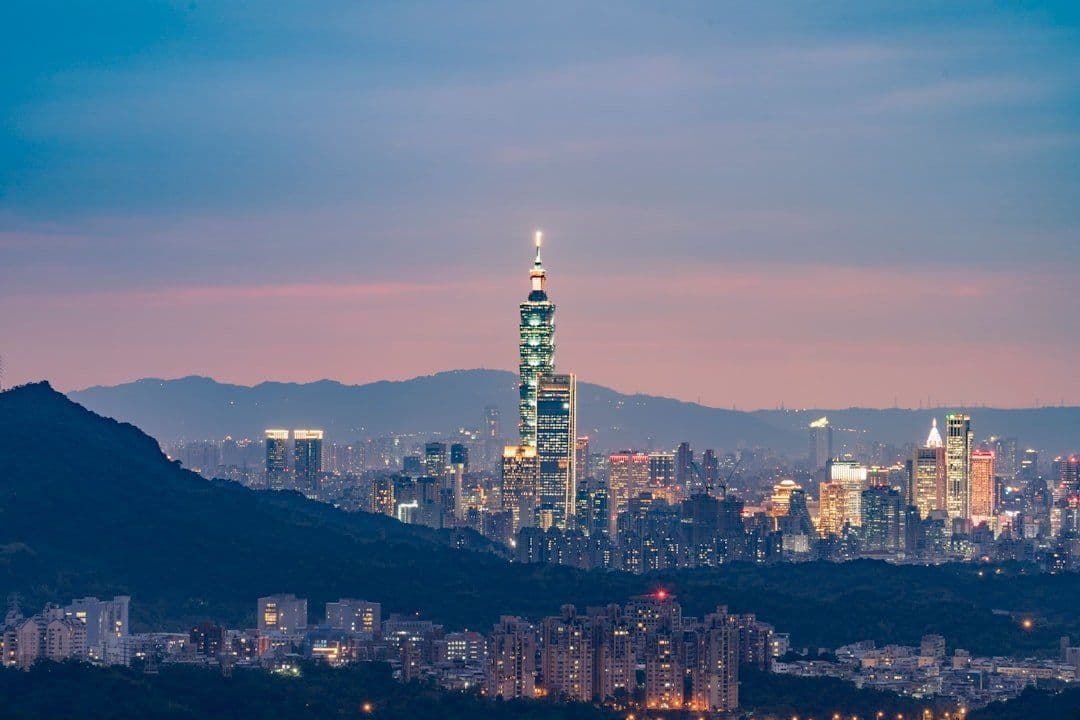
Taiwan's housing market has shown signs of modest growth, with a reported 5% rise in existing-home transactions during the first half of 2023 compared to the prior year. This improvement is seen as a result of a robust export sector and an increase in stock wealth, which have bolstered demand for housing. According to Evertrust Rehouse, these factors are expected to continue influencing a positive trend in property activity and pricing into the next quarter. However, challenges remain, particularly in terms of mortgage accessibility, which is constrained by stringent loan-to-value (LTV) ratios and tight lending conditions.
Taiwan's strong export performance, especially in technology and machinery, has had a favorable impact on the local housing market. The trade surplus, reaching significant highs in recent quarters, has increased disposable income among residents, subsequently enhancing their purchasing power. This economic strength is crucial for sustaining the recent uptick in housing transactions. According to TVBS News, exports rose by 10% in the first half of 2023, driven by global demand for Taiwanese tech products, which in turn supports a more stable housing market.

The Taiwanese stock market has seen considerable growth, contributing positively to the housing sector. A strong bull market has increased stock wealth, allowing local investors to divert some of their gains into real estate purchases. Research by RTI Taiwan indicates that the stock market index rose by 12% year-over-year as of June 2023, enhancing the financial capabilities of potential homeowners and investors.
Despite positive growth signs, Taiwan's housing market still faces significant hurdles, particularly regarding mortgage loan accessibility. The central bank's strict LTV restrictions make it difficult for buyers to secure favorable mortgage terms. Currently, the average LTV ratio stands at around 60%, which limits potential buyers who rely heavily on financing. As reported by Taiwan News, these restrictions are part of a broader effort to prevent market overheating, yet they also dampen the pace of market recovery.

A QUANT SPENT YEARS AND A PHD BUILDING A STRATEGY THAT LOSES MORE THAN HALF ITS TRADES AND STILL PRINTS
— slash1s (@slash1sol) July 18, 2026
The secret is one line.
w(t) = Rmax/(J·σ_risk) · (Σ sⱼ) · [1 + η·Σ 𝟙(c ≥ nₖ)]
It sizes every bet by current risk, and that last bracket presses harder every time the… https://t.co/tRUNeOO0lk pic.twitter.com/UfiKtGeH5q
There is a notable disparity in housing market performance between urban centers like Taipei and rural regions. Urban areas have experienced more significant price and activity increases due to higher demand and greater economic opportunities. For instance, Taipei's property prices have risen by approximately 7% over the past year, while rural areas have seen a more modest growth of around 2%. The difference highlights the uneven distribution of growth, with urban markets benefitting more from the economic tailwinds.
Looking ahead, Taiwan’s housing market is poised for continued modest growth, supported by the strength in exports and a resilient stock market. However, the potential for a full-scale recovery will depend heavily on adjustments in lending policies and a relaxation of LTV restrictions to facilitate greater access to mortgages. RealEstateAbroad.com analysis suggests that strategic investments in urban properties might yield better returns due to sustained demand and economic activity.
Get the latest real estate news, market insights, and investment opportunities delivered straight to your inbox. Join 50,000+ investors staying ahead of the curve.
We respect your privacy. Unsubscribe at any time.
Dedicated team of financial journalists and real estate analysts providing timely, accurate news coverage on international property markets.