///

São Paulo sees a 40% rise in unsold large apartments, with sales time extending to 26 months, signaling a shift in luxury market dynamics.
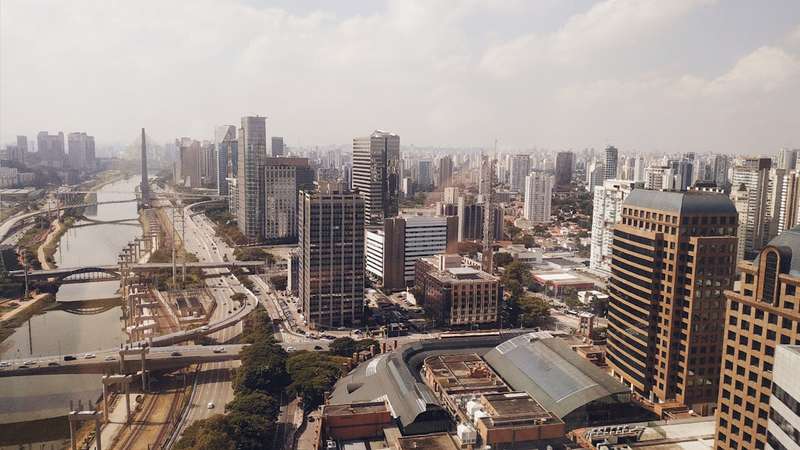
The São Paulo real estate market is experiencing a dramatic rise in unsold inventory for mid- and high-end three- and four-bedroom apartments. According to Valor International, the stock of these properties surged by 40% over the past year. This increase has led to a significant extension in the average sales time, which has jumped from 18.5 months to 26 months. Real estate analysts from Citi and Itaú BBA have pointed to this trend as a major risk for the market, indicating potential shifts in demand dynamics for luxury units.
Despite the increase in unsold luxury apartments, other segments of São Paulo's housing market are seeing divergent trends. According to The Latin Investor, the demand for lower-cost housing remains robust, driven by strong urban migration and expanding middle-class demographics. This bifurcation in the market suggests that while high-end properties may face challenges, there are still opportunities in other sectors. The increase in inventory highlights the need for strategic adjustments by developers and investors, focusing on pricing and marketing strategies to better align with current market conditions.

Various economic factors are impacting the sale of luxury apartments in São Paulo. The rising interest rates have made mortgage financing less attractive, dampening potential buyers' ability to afford high-end properties. As noted in The Rio Times, the São Paulo real estate market has witnessed changes due to speculative trends and shifting investor sentiments. These conditions require investors to recalibrate their strategies, possibly focusing more on rental yields and long-term value appreciation rather than immediate sales.
Developers in São Paulo are re-evaluating their strategies in response to the growing inventory of unsold large apartments. According to Exame, some are considering transitioning towards more affordable housing projects to capitalize on existing demand. Additionally, to attract potential buyers, developers are offering incentives such as lower down payments, flexible mortgage terms, and additional amenities. These strategies aim to mitigate the risks associated with an oversupply of high-end properties and to maintain a competitive edge in a fluctuating market.

The impact of the increased inventory is also region-specific within São Paulo. Areas like Morumbi and Vila Mariana have seen the highest growth in unsold units due to their concentration of luxury developments. Meanwhile, neighborhoods such as Pinheiros and Itaim Bibi continue to attract interest due to their proximity to business districts and vibrant cultural life. A region-wise analysis indicates that investors should carefully consider location-based dynamics when making purchasing decisions. The Esales International report suggests that targeted investments in well-located properties may still yield positive returns despite the broader market challenges.
Looking forward, the São Paulo real estate market faces both challenges and opportunities. If the current trends persist, developers and investors must adapt to the changing dynamics by diversifying portfolios and focusing on untapped market segments. The extended sales time for large apartments signals a potential need for innovative marketing strategies and enhanced buyer incentives. RealEstateAbroad.com analysis anticipates that while the luxury segment may face adjustments, sectors like affordable housing will continue to thrive due to ongoing urbanization and demographic shifts. The market's future will depend heavily on how stakeholders respond to these evolving conditions.
Get the latest real estate news, market insights, and investment opportunities delivered straight to your inbox. Join 50,000+ investors staying ahead of the curve.
We respect your privacy. Unsubscribe at any time.
Dedicated team of financial journalists and real estate analysts providing timely, accurate news coverage on international property markets.