///

Explore Seoul's real estate boom as 23,500 new apartments hit the market, doubling last year's supply and impacting prices.
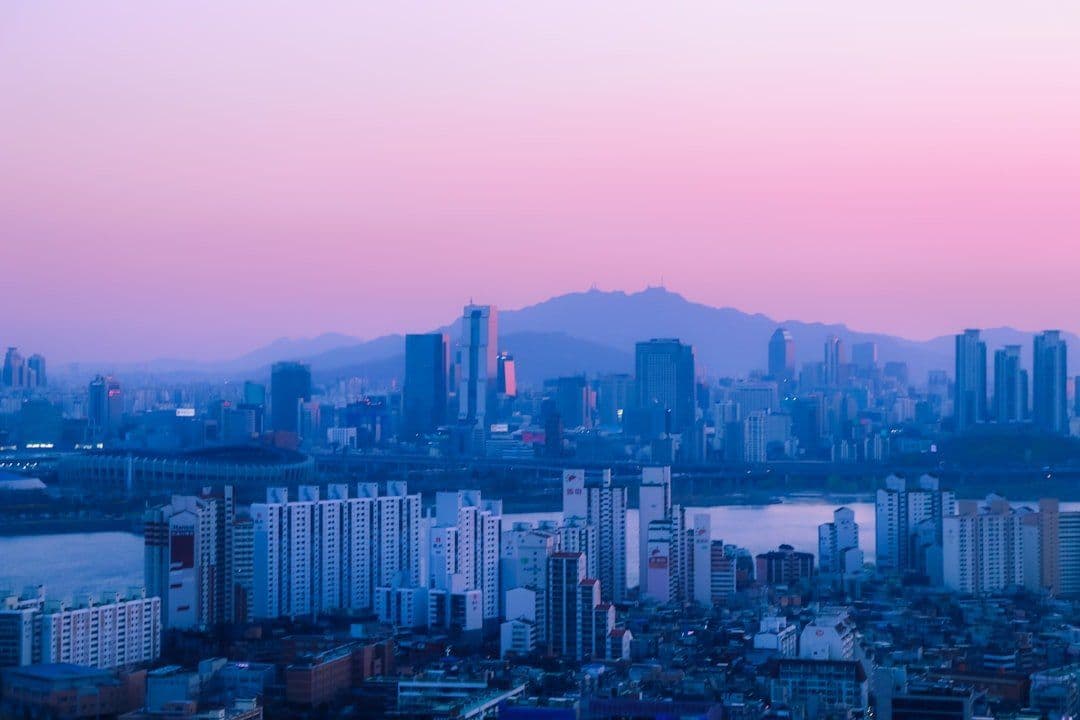
This summer, the Greater Seoul area is set to witness a significant real estate expansion with the introduction of 23,485 new apartments across Seoul and Gyeonggi in July and August. This marks a remarkable 97.5% increase compared to the previous year, according to Maeil Business Newspaper data. The surge is largely concentrated in the Gangnam district, which accounts for 81.6% of this new supply. This increase in available units is poised to significantly alter market dynamics, as Seoul's average apartment guarantee deposit has already increased by 19.1% over the last two years, reaching 658.75 million won. As developers push forward with these new projects, the effects on pricing and availability could be profound, providing potential investment opportunities for both domestic and international investors.
Gangnam, a district synonymous with luxury and high property values, is at the forefront of this latest supply influx. Of the 23,485 units being released this summer, an overwhelming 81.6% are located within Gangnam, underscoring the district's continued appeal for developers and buyers alike. This focus on Gangnam is not surprising given its reputation for high-end residential spaces and robust demand from affluent buyers. According to Christian Science Monitor, Gangnam remains a prime target for real estate investment due to its stable growth and prestigious status. However, the concentration of new developments in this already dense area could lead to increased competition among sellers and potentially influence pricing strategies as supply meets demand.
Gangnam remains a prime target for real estate investment due to its stable growth and prestigious status.

The introduction of nearly 23,500 new apartments comes at a time when Seoul's real estate market is experiencing rising guarantee deposits, known locally as 'jeonse'. According to Chosun Ilbo, the average deposit in Seoul has climbed 19.1% over two years, partly driven by a shortage of properties and increasing demand. This new influx of apartments could help alleviate some pressure on the market by offering more options to renters and buyers, potentially stabilizing or even reducing these soaring deposits. For investors, this shift presents both challenges and opportunities; understanding these dynamics will be crucial in forecasting future market trends and making informed investment decisions.
While Gangnam's dominance is evident, the Gyeonggi province also plays a significant role in this new wave of apartment developments. The region's proximity to Seoul and relatively lower land prices make it an attractive option for developers seeking to capitalize on the metropolitan area's housing demand. According to Reuters, Gyeonggi has been a focal point for government initiatives aiming to stabilize housing prices, as its continued development helps disperse the population density of Seoul. For investors, Gyeonggi represents a promising opportunity for diversification, with potential for growth as infrastructure and transport links continue to improve.

The release of these new apartments is not just a shift in supply; it signals broader implications for South Korea's real estate market. With over 23,000 new units, the market's ability to absorb this influx will be a key indicator of its health and resilience. According to Global Property Guide, South Korea's housing market has historically shown resilience amid varying economic conditions, but this new supply presents a unique test. Analysts at RealEstateAbroad.com suggest that if the market successfully integrates these new units, it could pave the way for further investment and development, particularly in underdeveloped areas. However, a failure to absorb these units could lead to oversupply, impacting prices and investment returns.
| Region | Units Released | Percentage Share |
|---|---|---|
| Gangnam | 19,166 | 81.6% |
| Gyeonggi | 4,319 | 18.4% |
For investors navigating this evolving landscape, strategic positioning will be crucial. The near doubling of available units offers a unique chance to enter the market at potentially attractive prices. As outlined by RealEstateAbroad.com's Maya Tarek, "Investors should target regions with strong infrastructure development and governmental support, such as Gyeonggi, while also considering luxury assets in high-demand areas like Gangnam." With the South Korean government actively seeking to stabilize house prices and ensure sustainable growth, opportunities abound for those willing to adapt and engage with these market changes. Understanding regional dynamics and staying informed on policy shifts will be key to capitalizing on this supply surge.
Get the latest real estate news, market insights, and investment opportunities delivered straight to your inbox. Join 50,000+ investors staying ahead of the curve.
We respect your privacy. Unsubscribe at any time.
Dedicated team of financial journalists and real estate analysts providing timely, accurate news coverage on international property markets.