///

Saudi Arabia enacts a new law in 2026 allowing foreigners to own property in major cities, boosting investment and aligning with Vision 2030.
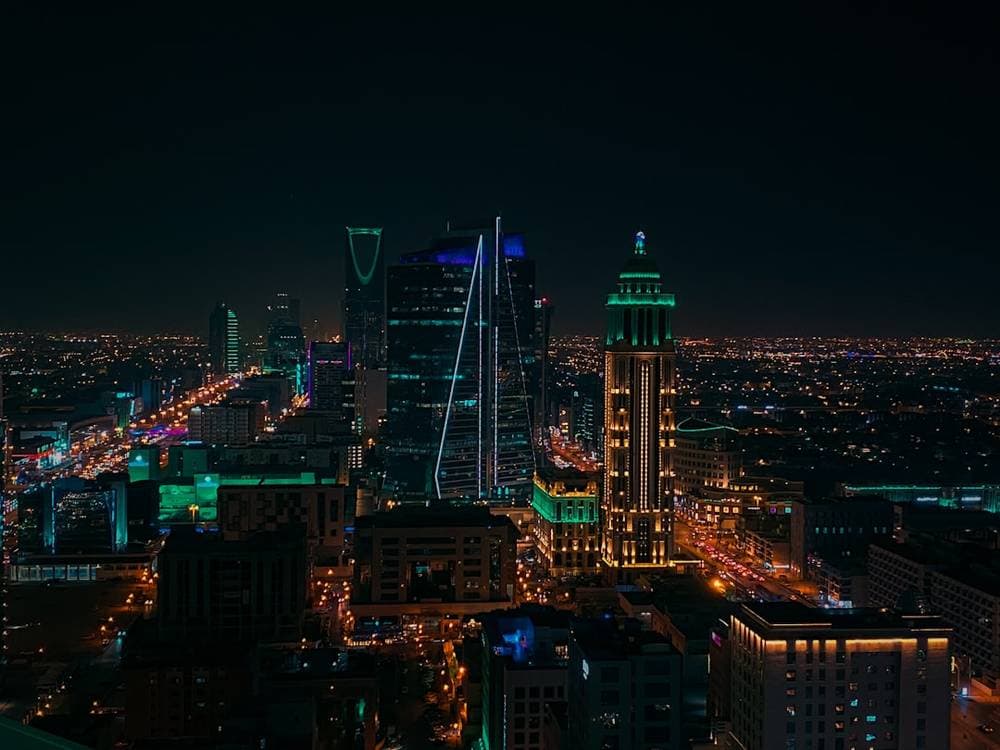
Beginning January 2026, Saudi Arabia is enacting a transformative legal framework that permits foreigners to own residential properties in its major cities, including Riyadh, Jeddah, and Dammam. This groundbreaking shift marks the first instance in the Kingdom's modern history where non-Saudis can legally acquire property, aligning with Saudi Arabia's Vision 2030 goals. The new policy channels foreign investments into designated zones, aiming to bolster economic diversification and stimulate demand in key urban areas.
Housing Market Database indicates that this policy could significantly impact property values, with potential increases in areas earmarked for foreign ownership. This strategic move is expected to attract a wave of international investors eager to capitalize on Saudi Arabia's burgeoning property market.

The introduction of foreign property ownership is not a blanket policy across the entirety of Saudi Arabia. Instead, it is focused on specific zones within major urban centers. As per Saudi Gazette, registration has been opened for 1,491 properties across three significant regions, including the capital city of Riyadh. This targeted approach ensures that foreign interest is concentrated in areas that align with the Kingdom's developmental priorities.
By funneling investment into these zones, Saudi Arabia aims to enhance urban development and infrastructure. This policy aligns with the broader Vision 2030 initiative, which seeks to make Riyadh one of the top global city economies, projecting a population doubling to 15–20 million by 2030.
The enactment of this law is poised to cause a ripple effect across Saudi Arabia's real estate sector. According to Khaleej Times, this policy introduces a new dynamic to the market by increasing competition and fostering a more robust real estate environment. Analysts predict a potential rise in property prices by 10% to 15% in the designated zones over the next two years.
Analysts predict a potential rise in property prices by 10% to 15% in the designated zones over the next two years.
Moreover, foreign investors are likely to introduce new standards and trends into the local property market, enhancing the overall quality and competitiveness. This influx of foreign capital is expected to drive demand for high-quality residential developments, further propelling the sector’s growth.
Arabia Saudita reveló el diseño de su impresionante "Estadio del Cielo", una de las sedes proyectadas para el Mundial de 2034. El recinto será construido a 350 metros de altura, convirtiéndose en uno de los estadios más llamativos del torneo.
— Momentos Virales (@momentoviral) July 22, 2026
¿Será real este impresionante… pic.twitter.com/CLB334jVDe

Industry stakeholders view this development with optimism, citing various
"The opening up of the property market to foreigners is a significant opportunity for growth and modernization."opportunities it presents. Maya Tarek, a senior analyst at RealEstateAbroad.com, noted, "The opening up of the property market to foreigners is a significant opportunity for growth and modernization. It aligns with global investment trends and can spur economic activity."
However, there are challenges to consider, particularly concerning regulatory compliance and potential socio-economic impacts. Foreign investors must adhere to stringent guidelines, including specific registration requirements and penalties for violations, as highlighted in Gulf News. The Kingdom’s efforts to regulate this new influx aim to ensure sustainable growth and prevent market volatility.
The introduction of foreign property ownership is a pivotal step in Saudi Arabia's ambitious Vision 2030, aspiring to diversify the economy away from oil dependence. By attracting international investment, the Kingdom strengthens its position as a leading economic hub in the Middle East.
Future implications of this policy are expected to include increased urbanization and improved infrastructure in key cities, which will support economic innovation and diversification. This aligns with Saudi Arabia's long-term goal of becoming a global tourist and business destination, ultimately fostering a more dynamic and competitive real estate market.
Get the latest real estate news, market insights, and investment opportunities delivered straight to your inbox. Join 50,000+ investors staying ahead of the curve.
We respect your privacy. Unsubscribe at any time.
Dedicated team of financial journalists and real estate analysts providing timely, accurate news coverage on international property markets.