///

NYC rents hit record highs: Manhattan median $5,295, Brooklyn $4,350, signaling ongoing affordability issues.
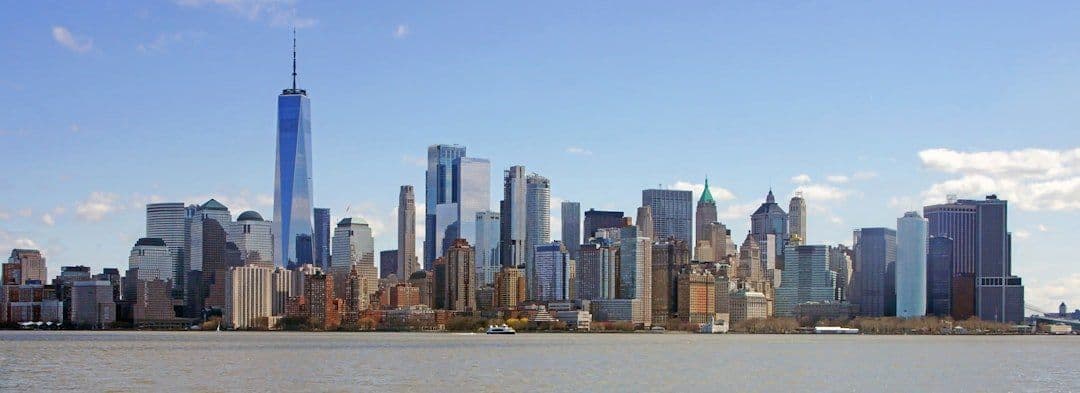
New York City's rental market has reached unprecedented levels as June data reveals a sharp increase in rents across Manhattan and Brooklyn. The median rent in Manhattan surged to $5,295, marking an 8% increase from last year, while Brooklyn's median rent climbed to $4,350, reflecting a similar 8% rise. Notably, Manhattan one-bedrooms have hit a record $5,570, and Brooklyn's average for the same unit type stands at $4,297. These figures underscore the ongoing affordability crisis gripping New York City tenants, exacerbated by stagnant home prices that have failed to relieve rental pressures. This development is crucial as it highlights the intensifying challenge for both local policymakers and residents seeking affordable housing solutions.
The rental landscape in Manhattan and Brooklyn continues to diverge, with each borough experiencing unique pressure points. According to New York Post, Manhattan's rental market has consistently outpaced Brooklyn in terms of price growth due to its international appeal and limited housing inventory. The current rental figures reflect not only rising demand but also a strained housing supply, which has pushed prices to historic highs. In contrast, Brooklyn offers slightly more affordable options, appealing to a broader demographic while still experiencing significant rental growth. This difference highlights the varying levels of market saturation and demand drivers, making it essential for investors to consider these nuances when evaluating potential investments.

Several economic factors are contributing to the surging rental prices in New York City. The city's robust job market and strong post-pandemic recovery have attracted more residents, increasing demand for housing. According to NYC Comptroller's July 2026 report, employment levels have returned to pre-pandemic numbers, bolstering consumer confidence. Additionally, stagnant home prices have redirected potential buyers to the rental market, further intensifying demand. This trend is compounded by inflationary pressures, which have pushed landlords to raise rents to offset increased operating costs. Investors should be aware that these economic undercurrents may sustain high rent levels in the near term.
The record-breaking rent hikes have evoked varying reactions from stakeholders. Tenants are feeling the pinch, with many advocating for policy interventions to curb rising costs. According to Richard Plehn, tenant advocacy groups are calling for expanded rent control measures to alleviate financial strain. Meanwhile, landlords are benefiting from increased rental income but face challenges in maintaining occupancy rates as tenants seek more affordable alternatives. Policymakers are under pressure to address these issues, with some proposing incentives for new housing developments to increase supply. The dynamic interplay between these groups will shape the future of the city's rental landscape.

For investors, New York City's rental market presents both opportunities and risks. The ongoing demand for rental properties positions the market as a potentially lucrative investment, especially in high-demand areas like Manhattan and Brooklyn. However, the high entry costs and regulatory challenges pose significant barriers. RealEstateAbroad.com analysis suggests that investors should consider diversifying their portfolios by exploring alternative neighborhoods with growth potential. Additionally, the evolving regulatory environment requires careful navigation to ensure compliance and maximize returns. Understanding these factors is crucial for informed decision-making in this complex market.
Looking ahead, the trajectory of New York City's rental market will depend on several key factors. Economic conditions, including employment trends and inflation rates, will influence both demand and affordability. Additionally, housing policies and urban development initiatives will play critical roles in shaping supply dynamics. As the city continues to attract global talent and investment, maintaining a balanced housing market will remain a top priority. According to CNBC, the luxury segment remains resilient, offering investors potential high returns but also requiring strategic foresight. Overall, stakeholders must collaborate to address the affordability crisis and ensure sustainable growth in one of the world's most dynamic real estate markets.
Get the latest real estate news, market insights, and investment opportunities delivered straight to your inbox. Join 50,000+ investors staying ahead of the curve.
We respect your privacy. Unsubscribe at any time.
Dedicated team of financial journalists and real estate analysts providing timely, accurate news coverage on international property markets.