///

Milei's new public-private plan aims to revive Argentina's mortgage market, boosting local financing with multilateral support.
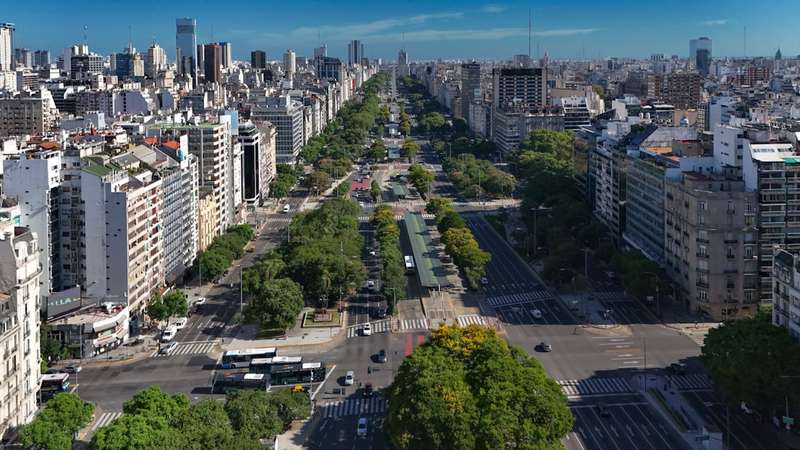
In a bid to breathe life into Argentina's underperforming mortgage market, President Javier Milei has announced a new public-private initiative. The plan, supported by multilateral lenders, seeks to invigorate local financing and stimulate housing demand, a critical step in sustaining market recovery. According to Buenos Aires Times, this approach addresses the cautious financing environment that has hampered real estate transactions in recent years. With inflationary pressures and economic instability, the initiative arrives at a pivotal moment. This development sets the stage for a potential rebound in the mortgage market, which has seen little activity due to high interest rates and restrictive lending practices.
The cornerstone of Milei's strategy is the introduction of public-private partnerships (PPPs) designed to facilitate local financing. By integrating private capital with government initiatives, this approach aims to lower borrowing costs and enhance access to credit for potential homeowners. The collaboration with multilateral lenders, such as the World Bank and the Inter-American Development Bank, is expected to inject much-needed liquidity into the market. As Janus Hermes Analysis suggests, this model has been successful in other Latin American countries, providing a blueprint for Argentina's recovery. The anticipated outcome is a more robust, accessible mortgage market that can drive homeownership and spur economic growth.

In Argentina, the mortgage market exhibits notable regional variations, with urban areas like Buenos Aires experiencing different challenges and opportunities compared to rural regions. According to The Latin Investor, urban centers often benefit from higher property values and greater access to financial institutions, making them more attractive for investors. Conversely, rural areas face hurdles such as limited access to credit and lower property valuations. Milei's initiative aims to bridge this gap by providing a unified framework that caters to the unique needs of each region, potentially leading to balanced growth across the country.
The anticipated effects of this initiative on Argentina's economy and real estate market are substantial. By improving mortgage access, the policy could stimulate housing demand, thereby increasing property transactions. This uptick in activity may lead to job creation within the construction and real estate sectors, further fueling economic recovery. Global Property Guide underscores the importance of this plan, noting that a healthy mortgage market is crucial for sustaining long-term economic growth. The potential ripple effects include improved investor confidence and increased foreign direct investment, key drivers for a robust property market.
The anticipated effects of this initiative on Argentina's economy and real estate market are substantial.

Everyone expected $200 oil when the strait closed. It fell to the 60s instead, and one explanation almost nobody wants to hear: global demand is dying
— Mario Nawfal (@MarioNawfal) July 7, 2026
George Gammon flipped the entire debate on its head. While guests have argued supply and manipulation, his read is simpler and… pic.twitter.com/UrPchLEgQP
Stakeholders within the real estate and financial sectors have expressed a mix of optimism and cautious optimism regarding Milei's initiative. Industry leaders recognize the potential benefits of enhanced liquidity and lower borrowing costs, yet remain wary of the challenges involved in implementing such an ambitious plan. As highlighted by Benoit Properties, successful execution will require careful coordination between public and private entities, alongside effective regulatory oversight to prevent market distortions. Investors are closely monitoring these developments, viewing them as a barometer for the country's economic health.
Looking ahead, the success of President Milei's initiative hinges on several key factors, including sustained multilateral support, regulatory reforms, and macroeconomic stability. If these elements align, Argentina could witness a revitalized mortgage market that serves as a catalyst for broader economic recovery. However, challenges remain, particularly in addressing inflation and maintaining investor confidence. As RealEstateAbroad.com analysis suggests, the coming years will be crucial in determining whether this bold strategy can transform the stagnant mortgage market into a dynamic engine of growth.
| Region | Current Mortgage Rate | Population | Economic Contribution |
|---|---|---|---|
| Buenos Aires | 10.5% | 15 million | 60% |
| Córdoba | 11.2% | 3.5 million | 12% |
| Mendoza | 12.5% | 1.8 million | 8% |
Get the latest real estate news, market insights, and investment opportunities delivered straight to your inbox. Join 50,000+ investors staying ahead of the curve.
We respect your privacy. Unsubscribe at any time.
Dedicated team of financial journalists and real estate analysts providing timely, accurate news coverage on international property markets.