///

UBS Index 2025 identifies Miami's highest global bubble risk, with Tokyo and Zurich following close. Implications for investors examined.
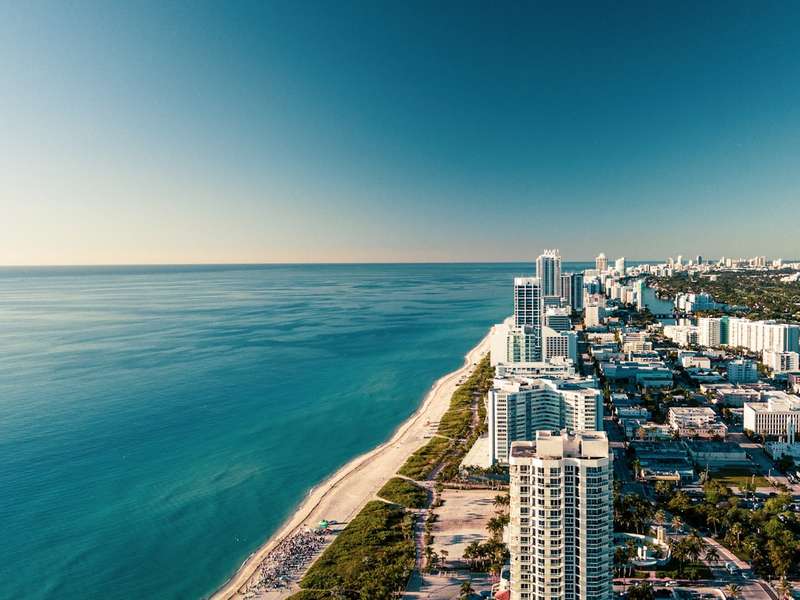
In the latest release of the UBS Global Real Estate Bubble Index for 2025, Miami has been identified as the city with the highest real estate bubble risk worldwide. This ranking reflects the city's rapidly appreciating property values and speculative investor activity. Following closely behind in the index are Tokyo and Zurich, which have also shown significant vulnerability to housing market imbalances. The UBS report highlights the increasing difficulty in sustaining valuation levels seen during the pandemic-era housing boom. According to UBS analysis, these findings suggest a critical need for investors to approach these markets with caution as increasing inflation and interest rates may exacerbate the risk factors.
Miami's ascent to the top of the UBS Global Real Estate Bubble Index signals substantial increases in home prices and speculative investment activity. According to recent discussions among real estate analysts, the city's median home price has surged by over 20% year-on-year, driven by both domestic and international demand. The influx of remote workers and high-net-worth individuals during the pandemic has fueled Miami’s unprecedented price growth. This surge has prompted concerns over affordability and sustainability, as the city grapples with the economic impacts of rising interest rates and potential regulatory changes aimed at curbing speculative practices.

Tokyo and Zurich, ranking second and third respectively in the UBS index, are also experiencing heightened bubble risks. In Tokyo, the combination of low-interest rates and robust demand has pushed property prices up by nearly 15% in the past year. Meanwhile, Zurich's real estate market has seen similar trends with a 12% increase in property values, according to UBS data. These cities are characterized by strong economic fundamentals but face challenges due to rapid price escalation and limited housing supply. The growing imbalance between supply and demand may lead to increased volatility and risk for investors.
The UBS report underscores the broader impact of inflation and interest rates on global housing markets. As central banks worldwide continue to tighten monetary policy, cities identified in the bubble index could face significant pressure on property values. The potential for interest rate hikes in response to inflationary pressures could decrease housing affordability and dampen demand. According to market observers, these changes may lead to a recalibration of housing prices in bubble-prone areas, creating opportunities and risks for investors seeking to capitalize on market corrections.

Do you realize how crazy this is?
— Bitcoin Malaya (@bitcoinmalaya) July 6, 2026
China’s real estate market has erased ALL gains from the last 20 years.
In China, real estate was the way regular Chinese families stored wealth for generations.
Now that store of value is broken.
Prices have literally fallen all the way… https://t.co/hXf0nArfih pic.twitter.com/R2sEYyEgkh
Investors are advised to exercise caution when engaging with markets identified as high-risk in the UBS Bubble Index. Maya Tarek, Senior Analyst at RealEstateAbroad.com, suggests that investors consider diversification strategies that mitigate exposure to volatile markets. "Investors should look at alternative markets and asset classes that offer stable returns and reduced risk," she notes. Key considerations include evaluating financing options, stress-testing yields, and closely monitoring regulatory changes that could impact market dynamics. Investors are also advised to factor in potential price corrections and remain vigilant about long-term market trends.
As the global real estate landscape continues to evolve, stakeholders must prepare for potential market adjustments driven by economic shifts and regulatory interventions. The UBS Global Real Estate Bubble Index serves as a critical tool for identifying markets at risk and informing strategic investment decisions. Moving forward, investors should closely monitor economic indicators, such as inflation rates and monetary policy changes, to effectively navigate the complexities of the international real estate market. RealEstateAbroad.com will continue to provide in-depth analysis and insights to guide investors through these challenging yet potentially rewarding investment landscapes.
Get the latest real estate news, market insights, and investment opportunities delivered straight to your inbox. Join 50,000+ investors staying ahead of the curve.
We respect your privacy. Unsubscribe at any time.
Dedicated team of financial journalists and real estate analysts providing timely, accurate news coverage on international property markets.