///

Mexico City's average rent hit MX$21,921 in June 2026, up 9.6% YoY, deepening affordability issues amid widespread price pressures.
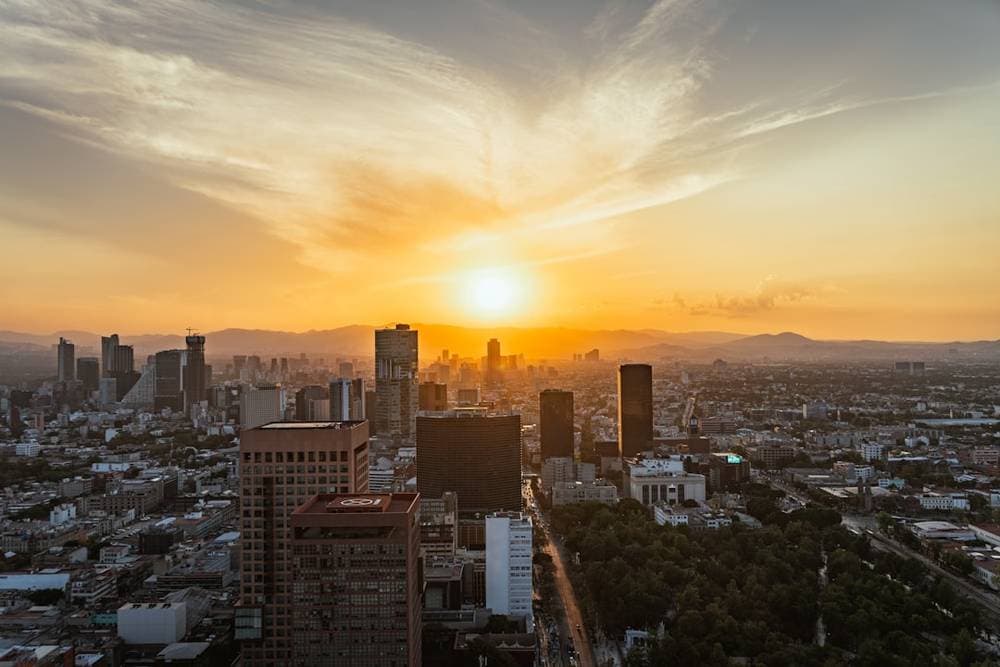
In June 2026, Mexico City's average monthly rent soared to MX$21,921, marking a 9.6% increase compared to the previous year. This data, sourced from the latest Inmuebles24 Index, underscores the continuing strain on affordability despite measures aimed at alleviating rental pressures. This price increase highlights that tenants, particularly in the city's core areas, have seen little relief. The ripple effects are now being felt in peripheral markets, where rent growth is accelerating at a pace that mirrors the city center. RealEstateAbroad.com analysis notes that these rising rents indicate a significant challenge for tenants and investors alike, as the high demand for rental properties continues to drive prices upwards.
According to reports, the rental price hikes are not confined to the central neighborhoods of Mexico City. Areas traditionally considered more affordable are catching up rapidly, contributing to the widening gap in housing affordability. As these peripheral regions experience an influx of demand driven by high central city rents, landlords have capitalized by raising prices. Data from the BBVA Research report indicates that peripheral areas have seen increases of up to 7% year-over-year, further complicating the affordability equation. This trend suggests a growing uniformity in rental pricing, challenging the notion that moving to suburban areas will provide financial relief for renters.

The implications of rising rents in Mexico City have extended beyond immediate tenant hardship. As rental prices climb, the purchasing power of potential homebuyers is adversely affected, often leading to increased demand for rental properties as owning becomes less feasible. Market observers note that this demand surge feeds back into the cycle of rising rental prices. Moreover, the current economic climate, influenced by inflationary pressures and stunted wage growth, means that tenants are dedicating larger portions of their income to housing costs. RealEstateAbroad.com analysis suggests that unless significant intervention occurs, such as enhanced housing policies or increased housing supply, this trend is likely to continue unabated.
Maya Tarek, a Senior Analyst at RealEstateAbroad.com, suggests that the current trajectory of rental price increases is unsustainable in the long term. "The market needs a robust set of interventions to stabilize housing costs and improve affordability," she comments. According to Mordor Intelligence, potential solutions include government-subsidized housing developments and incentives for constructing affordable housing units. These measures could alleviate some pressure on the rental market but require significant political and financial commitment. Experts emphasize that international investors should closely monitor these developments, as changes in policy could significantly impact market dynamics and investment returns.

In comparison to other global cities, Mexico City's rental market is experiencing similar trends of increasing unaffordability. However, unlike markets such as London or New York, where rental regulations are more stringent, Mexico City's regulatory framework offers more flexibility for landlords adjusting prices. This flexibility can attract international investors looking for higher returns, but it also poses risks associated with market volatility. According to BBVA Research, Mexico's housing demand continues to outpace supply, a critical factor driving rents upward. Investors are thus encouraged to conduct thorough market analyses and consider long-term implications before making investment decisions.
Looking forward, the rental market in Mexico City presents both opportunities and challenges for investors. While the current environment is primed for high rental yields, the underlying issues of affordability and supply shortages cannot be ignored. Investors should strategize accordingly, considering potential policy shifts aimed at curbing rental inflation. For policymakers, the onus is on creating sustainable solutions to balance market interests with tenant needs. As RealEstateAbroad.com analysis concludes, addressing the core issues of housing supply and affordability will be crucial in ensuring a stable and equitable rental market for all stakeholders.
| Neighborhood | Average Rent June 2026 | YoY Change |
|---|---|---|
| Central Mexico City | MX$25,000 | +10% |
| Peripheral Areas | MX$18,000 | +7% |
Get the latest real estate news, market insights, and investment opportunities delivered straight to your inbox. Join 50,000+ investors staying ahead of the curve.
We respect your privacy. Unsubscribe at any time.
Dedicated team of financial journalists and real estate analysts providing timely, accurate news coverage on international property markets.