///

Dubai's Q1 2026 GDP grew 2.4%, boosting real estate activity. Discover insights on property market resilience and investor confidence.
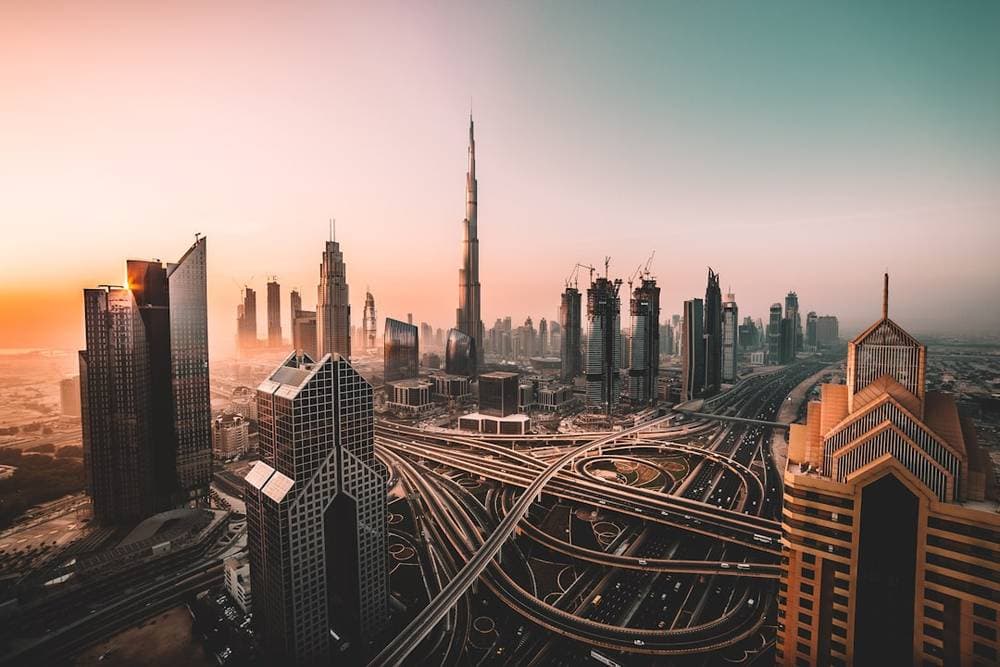
The Dubai Media Office announced that the emirate's GDP reached AED 232 billion in Q1 2026, marking a 2.4% year-on-year increase. This economic growth reinforces the robust demand in Dubai's real estate sector, supported by data from the Dubai Land Department showing sustained high transaction volumes. The combination of GDP growth and property market activity suggests a broad-based economic resilience, attracting investors globally. According to MSN Developments, the property market's vitality is driven by investor confidence and new project launches, ensuring that Dubai remains a focal point for international real estate investors.
Continuing the momentum from Q1, residential transaction volumes in Dubai remained robust through mid-2026. According to MSN Developments, this sustained activity is a testament to growing investor confidence, both locally and internationally. The report highlights that average property prices in key districts, such as Downtown Dubai and Dubai Marina, have seen moderate year-on-year increases. This trend reflects the emirate's strategic urban planning and investment in infrastructure, which continue to draw interest from global property buyers.

Dubai's real estate market witnessed the launch of several new off-plan projects in Q2 and Q3 2026. These developments are not only providing more options for investors but also fueling competition among developers to offer innovative and luxury living spaces. As noted in the Dubai Real Estate Market Update, the introduction of these projects is a strategic move to cater to the sustained demand from both local and international buyers, solidifying Dubai's status as a premier property investment destination.
Average property prices in Dubai's key districts have experienced moderate increases over the past year. This trend, highlighted in MSN Developments' report, signals a stable market environment that is neither overheated nor stagnant. Areas such as Palm Jumeirah and Business Bay continue to attract high-net-worth individuals, thanks to their luxury offerings and strategic locations. As per RealEstateAbroad.com analysis, these moderate price gains are favorable for long-term investors seeking capital appreciation and rental yields.

🚨ALERT RED STATE TEXAS: WARN YOUR LEADERS NOW - MUSLIM BROTHERHOOD EXPANDING!
— Amy Mek (@AmyMek) July 29, 2026
THE NEW OASIS: THE ISLAMIC SHARIA ENDOWMENT TRANSFORMING IRVING, TEXAS
In Irving, a 62,000-square-foot mixed-use complex is rising right next to the controversial Islamic Center of Irving.
Ground… pic.twitter.com/IM3gQd03A5
The 2.4% GDP growth in Q1 2026 has played a pivotal role in bolstering investor confidence in Dubai's real estate market. This economic backdrop is crucial as it provides a stable environment for property investments. According to RealEstateAbroad.com, the economic indicators suggest a promising future for Dubai's real estate sector, with potential for continued growth driven by strategic government policies and a steadily improving macroeconomic climate.
Looking ahead, Dubai's real estate market is poised for sustained growth, underpinned by its economic resilience and strategic investments in infrastructure. As the emirate continues to attract both local and international investors, the market is expected to see steady increases in property values and transaction volumes. Investors are advised to monitor upcoming projects and strategic zones that offer lucrative opportunities. The combination of a strong economic performance and a vibrant property sector makes Dubai an appealing destination for cross-border real estate investments.
Get the latest real estate news, market insights, and investment opportunities delivered straight to your inbox. Join 50,000+ investors staying ahead of the curve.
We respect your privacy. Unsubscribe at any time.
Dedicated team of financial journalists and real estate analysts providing timely, accurate news coverage on international property markets.