Housing Market: 50,000 New Affordable Homes by 2028
Government unveils plan to build 50,000 affordable homes by 2028. Learn about new measures accelerating public housing construction and market impact.
Government Announces New Measures to Accelerate Public Housing Construction
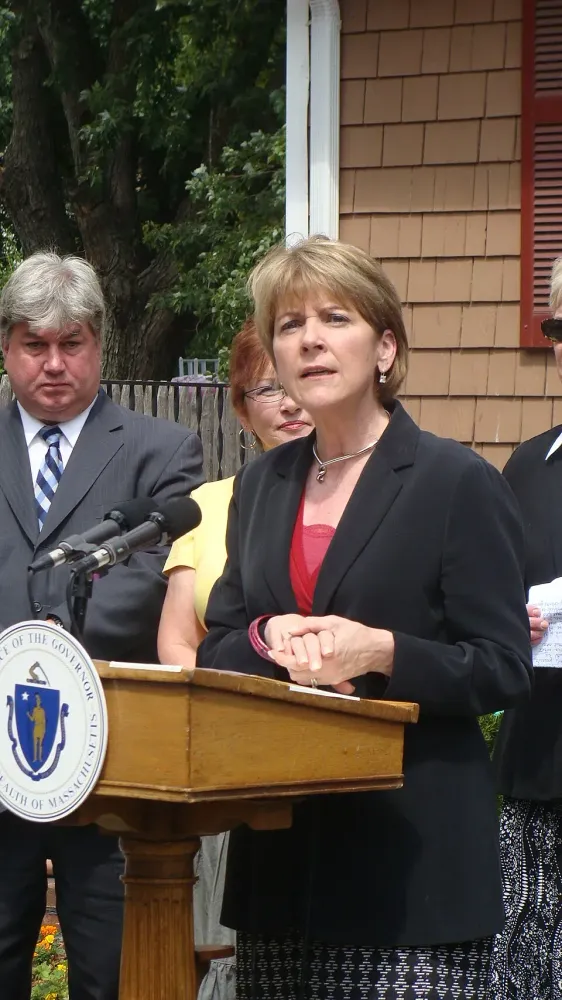
The Ministry of Housing unveiled a comprehensive package of reforms today aimed at streamlining administrative processes and increasing funding for public housing projects nationwide. The ambitious goal is to deliver 50,000 new affordable homes by 2028 to significantly alleviate the current housing crisis. The announcement, made at a press conference in Madrid, outlines a multi-pronged approach that includes expedited permitting, increased subsidies for local governments, and public-private partnerships. This initiative comes amid soaring demand for affordable housing, with prices rising sharply across urban centers. The government aims to cut red tape and reduce construction timelines by up to 30%.
""The housing crisis demands urgent action, and these measures are designed to unlock stalled projects and fast"
— track new developments"
Streamlining Administrative Processes
The new reforms target the bureaucratic bottlenecks that have historically delayed public housing projects. Key changes include mandatory digital submission of permits, a 60-day maximum review period for environmental impact assessments, and a single-window clearance system for all approvals. According to the Ministry, these changes could reduce the average project timeline from 5 years to 3.5 years. Local authorities will receive technical assistance to implement these changes, funded by a €200 million grant program. The government also plans to standardize building codes across regions to avoid conflicting requirements.
Key Reform Targets
| Metric | Value |
|---|---|
| Permit processing | 60 days max |
| Timeline reduction | 30% |
| Grant funding | €200 million |
Increased Funding and Subsidies
To support the 50,000-home target, the government will increase the national housing budget by 40% over the next three years. An additional €1.5 billion will be allocated to the Public Housing Development Fund, with €500 million earmarked specifically for urban regeneration projects. Municipalities can apply for matching grants covering up to 50% of project costs. The reforms also introduce tax incentives for private developers who allocate at least 30% of new projects to affordable housing. According to Reuters, this marks the largest single investment in public housing in over a decade.
Public-Private Partnerships
The government is actively encouraging private sector involvement through new public-private partnership (PPP) models. Developers can bid for long-term leases on public land at reduced rates, with the requirement to build and manage affordable housing for 25 years. The Ministry estimates this could leverage an additional €3 billion in private investment. The first pilot projects are expected to launch in Madrid, Barcelona, and Valencia. According to Bloomberg, similar models in the UK and France have successfully accelerated housing delivery.
{{INLINEIMAGE:Aerial view of a modern public housing complex under construction with cranes and workers}}
Regional Impact and Implementation
The reforms will have varying impacts across Spain's autonomous communities. Regions with the highest housing demand, such as Madrid, Catalonia, and the Basque Country, are expected to benefit most from the streamlined processes and increased funding. The government has set regional targets: 15,000 homes in Madrid, 12,000 in Catalonia, and 8,000 in Andalusia. However, some smaller regions worry about capacity constraints. The Ministry has pledged technical support and training for local planning departments. The Spanish property market has seen significant price increases, making these measures critical for affordability.
Market Implications and Broader Context
The announcement comes at a critical juncture for the Spanish housing market. According to the Bank of Spain, home prices have risen 18% since 2020, while rents have surged 25% in major cities. The new measures are expected to moderate price growth by increasing supply, but analysts caution that delivery timelines remain ambitious. The reforms also align with broader EU housing strategies, which emphasize sustainability and digitalization. However, construction sector capacity constraints may pose challenges, as labor shortages and material costs have risen. Investors can use our mortgage calculator to assess financing options, while international buyers should understand international financing requirements. The government's commitment to public housing is a positive signal for market stability.
""This is the most ambitious public housing plan in a generation, but execution will be key""
— Spanish Real Estate Analyst
Conclusion
As the reforms take effect, the focus will shift to implementation and monitoring. The government has promised quarterly progress reports and a mid-term review in 2027 to adjust targets if needed. Experts emphasize that sustained political will and adequate resources are essential to meet the 2028 goal. According to Forbes, similar initiatives in other European countries have succeeded when coupled with strong regulatory oversight. The coming months will reveal whether these measures can truly accelerate public housing construction and provide relief to millions of households.
{{INLINEIMAGE:Graph showing projected increase in public housing completions from 2025 to 2028}}
{{INLINEIMAGE:Photo of a family moving into a newly built affordable apartment}}
Suggested H2s
- Streamlining Administrative Processes
- Increased Funding and Subsidies
- Public-Private Partnerships
- Regional Impact and Implementation
- Market Implications and Broader Context
Weekly briefing for buyers abroad
The week's property news for international buyers, plus residency-by-investment changes and market data.
One email a week. Unsubscribe at any time.