
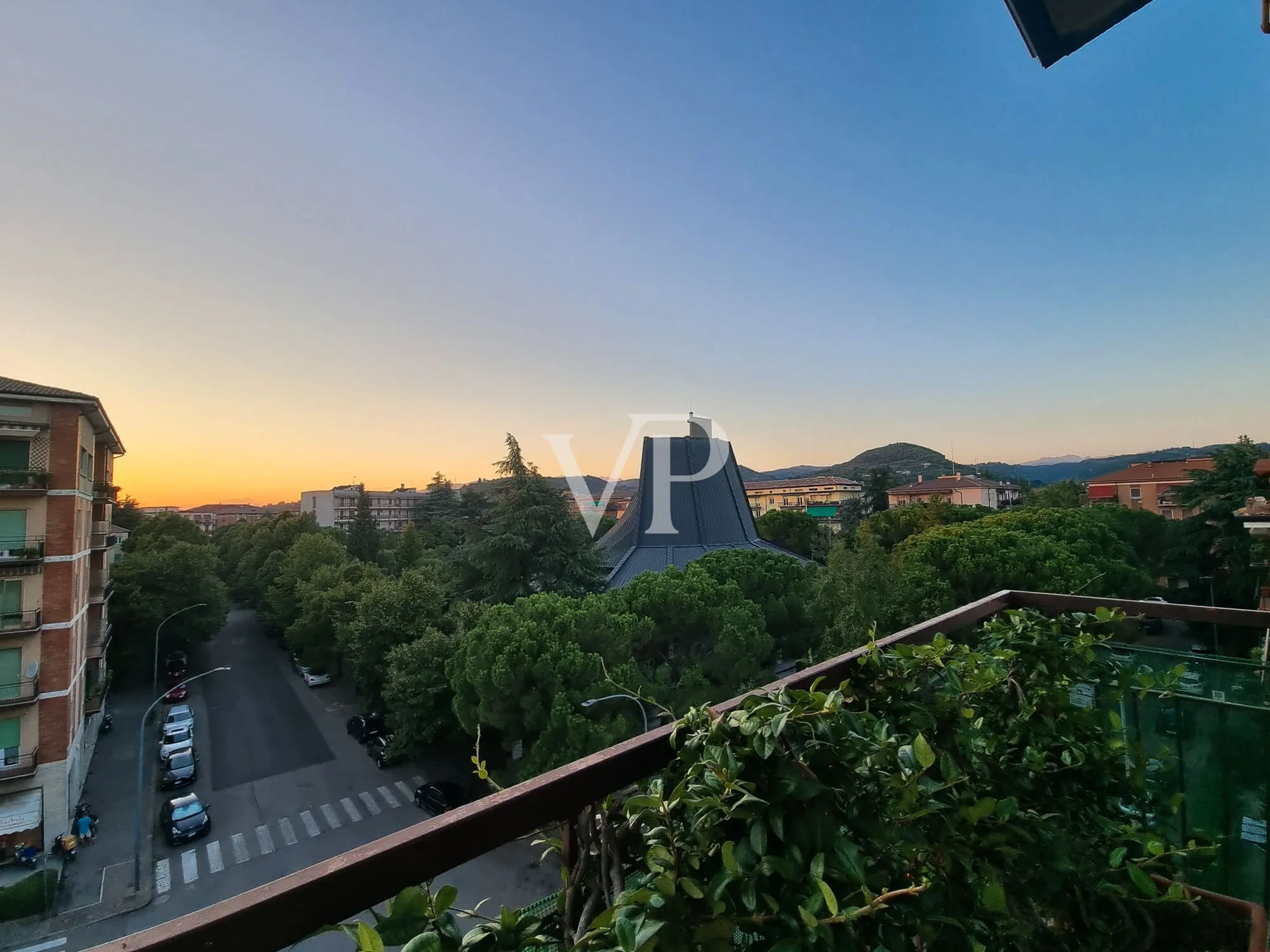
 Apartment
€559,000
VERONA (ITA)
3 bd 2 ba 220 m²

414 homes and apartments for sale in Verona, Italy.
Photo: Green Liu / Unsplash
24 properties shown
Apartment€559,000
VERONA (ITA)
 Apartment
€329,000
VERONA (ITA)
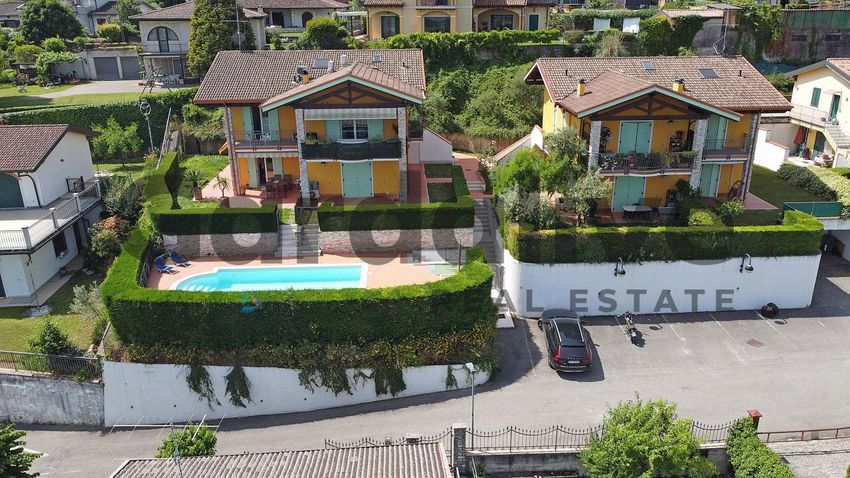 Villa
€485,000
Verona
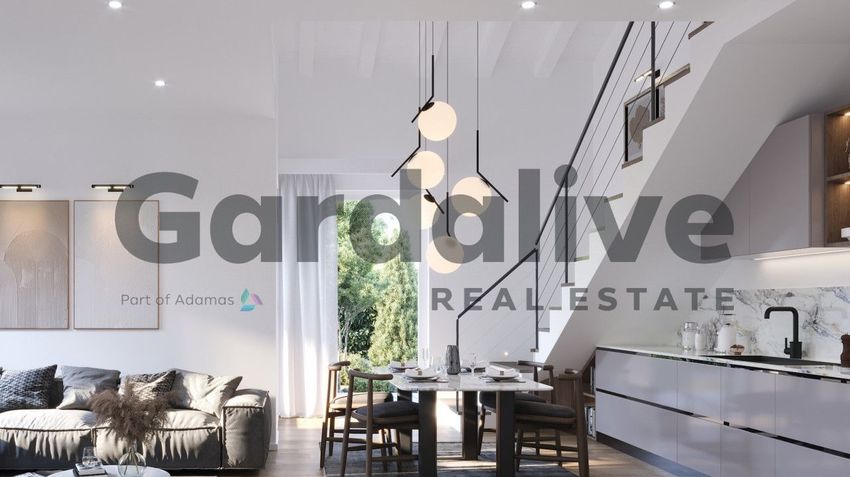 House
€520,000
Verona
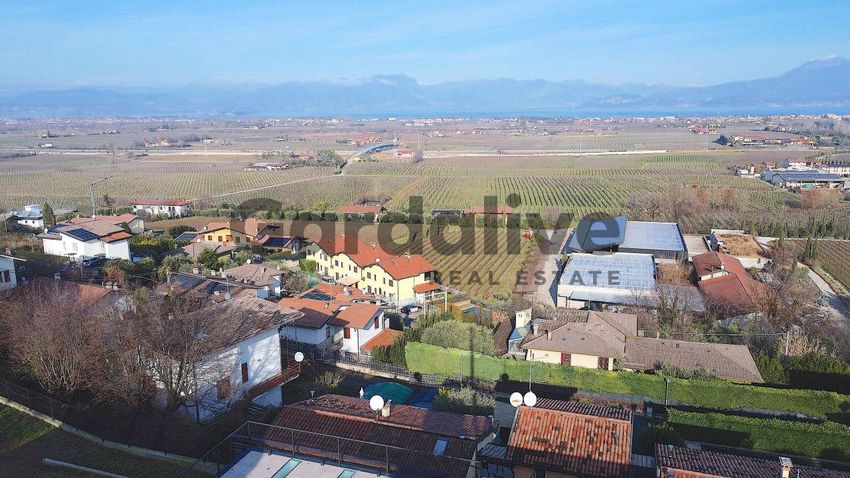 House
€395,000
Verona
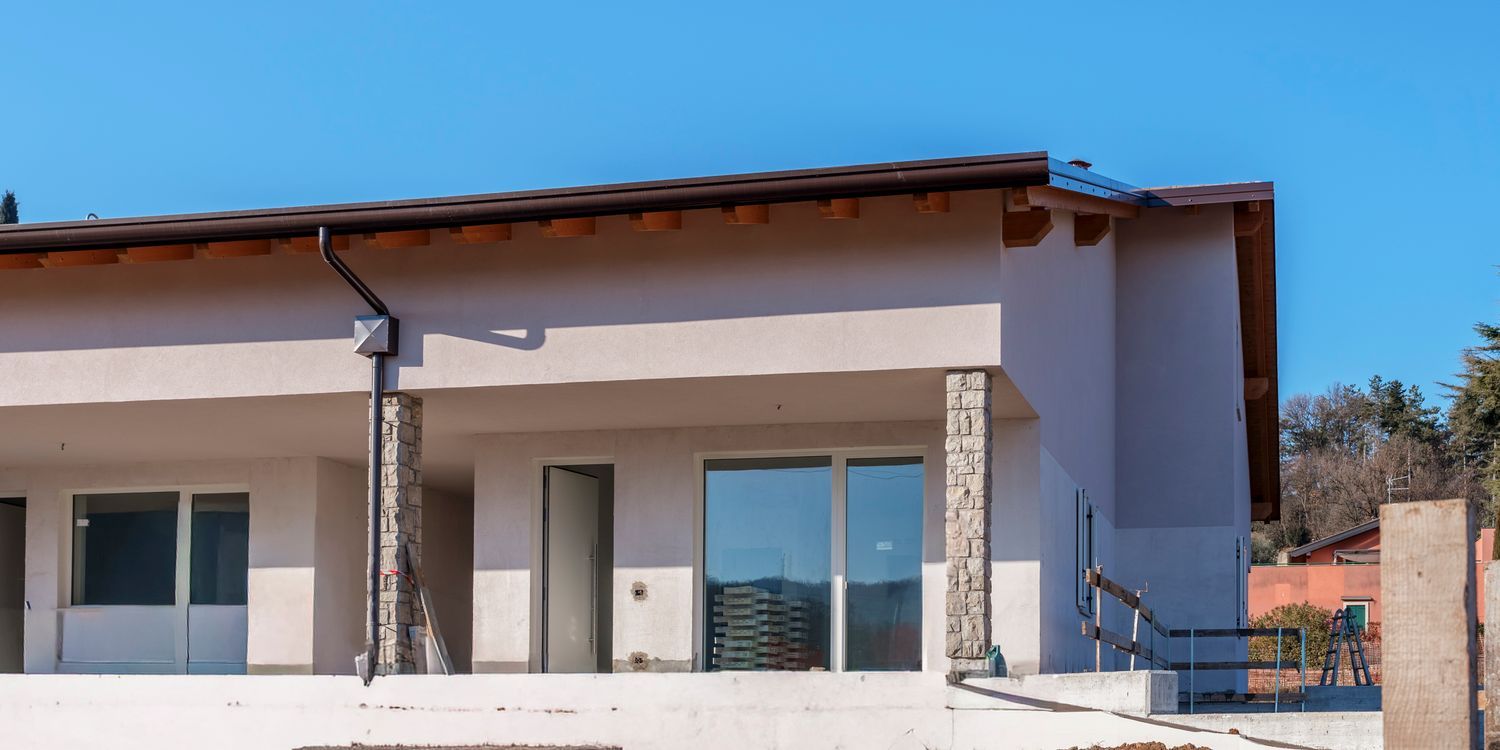 Apartment
€395,000
Verona
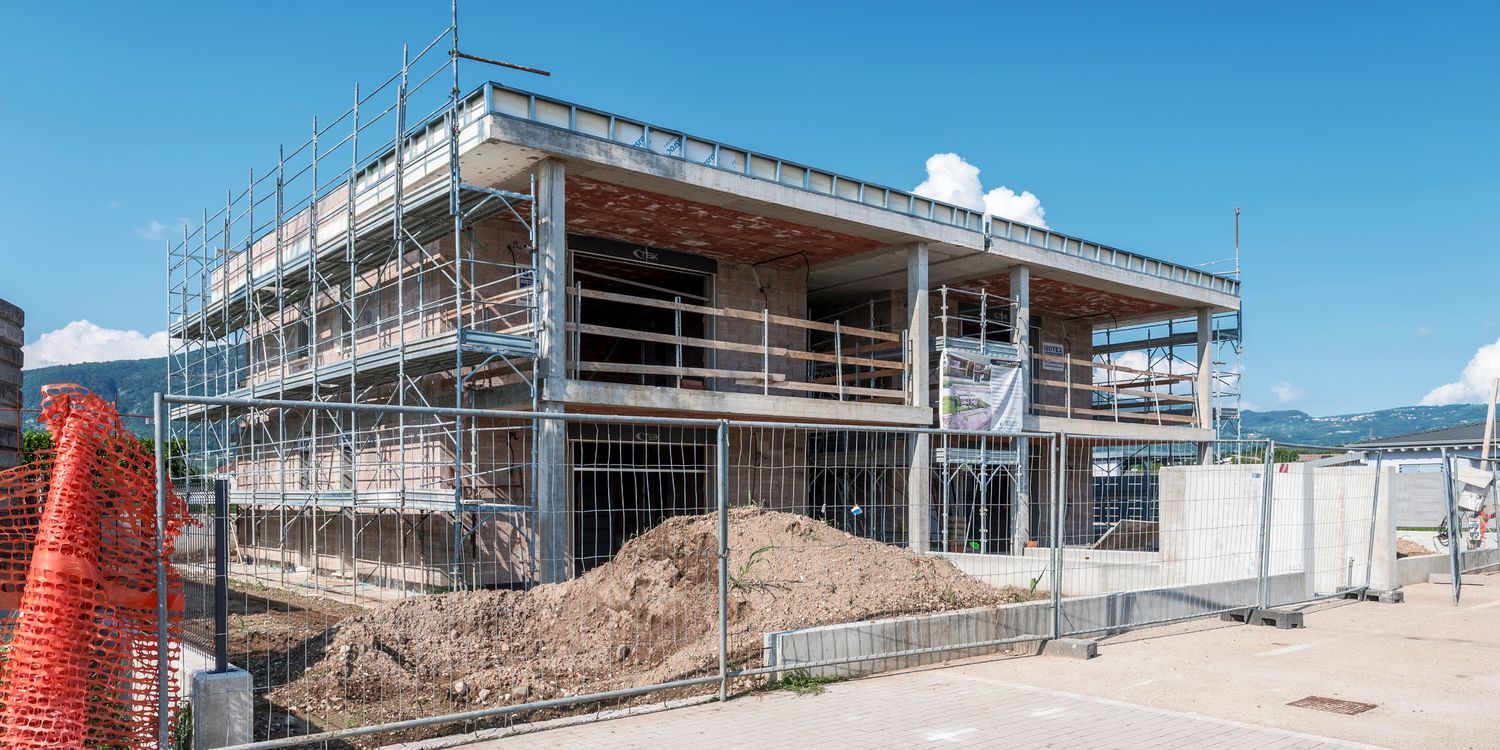 Apartment
€395,000
Verona
 Apartment
€355,000
Verona
 Villa
€850,000
Verona
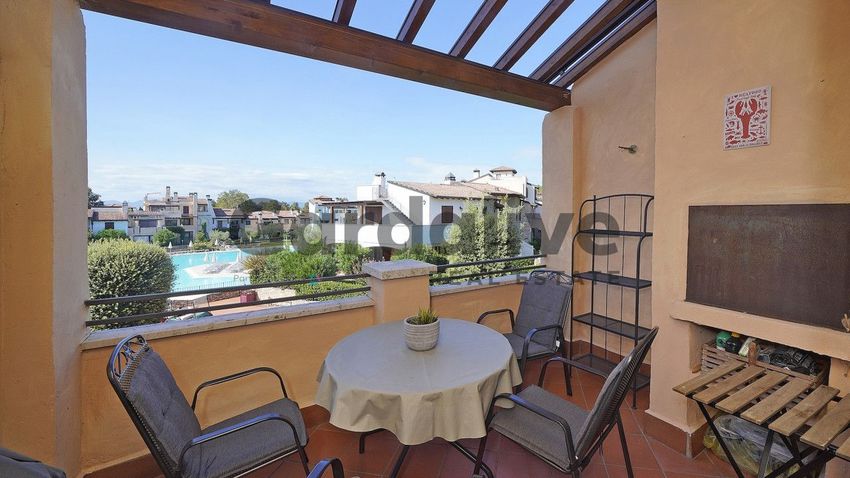 Apartment
€220,000
Verona
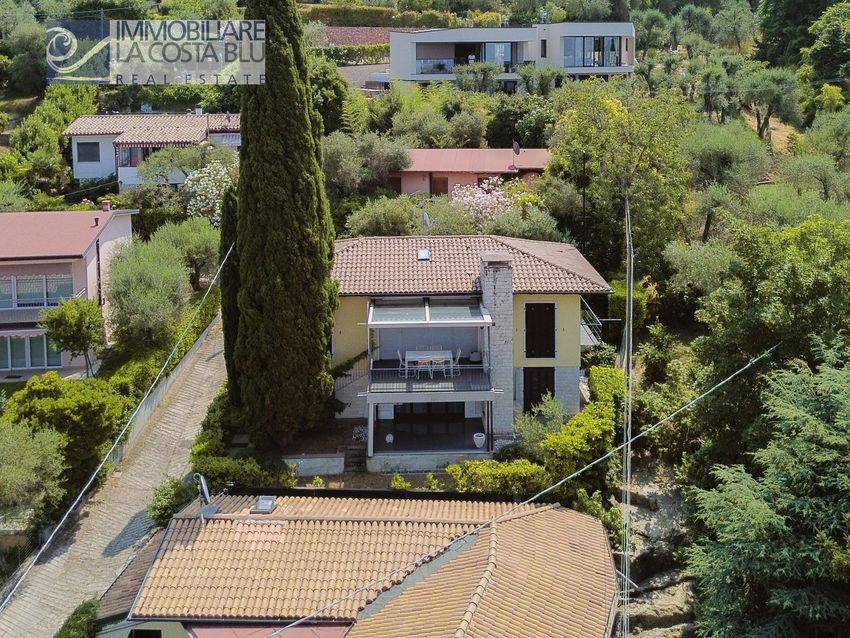 House
€850,000
Verona
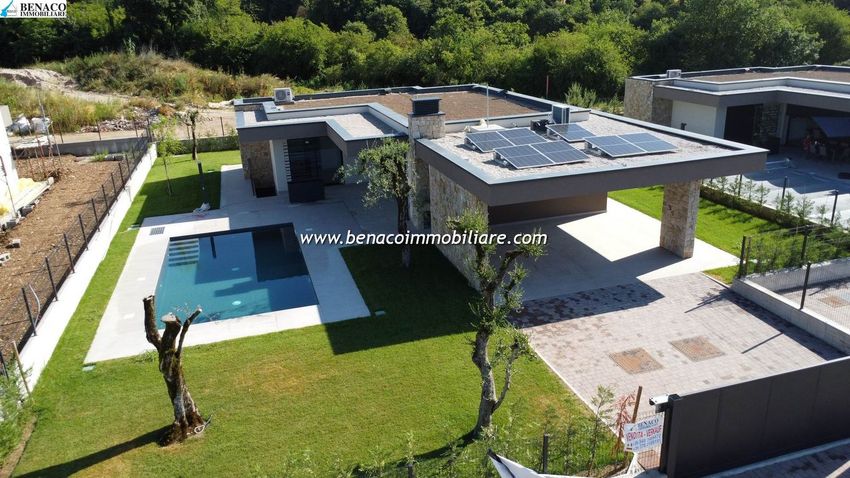 Villa
€1,170,000
Verona
 Apartment
€110,000
Verona
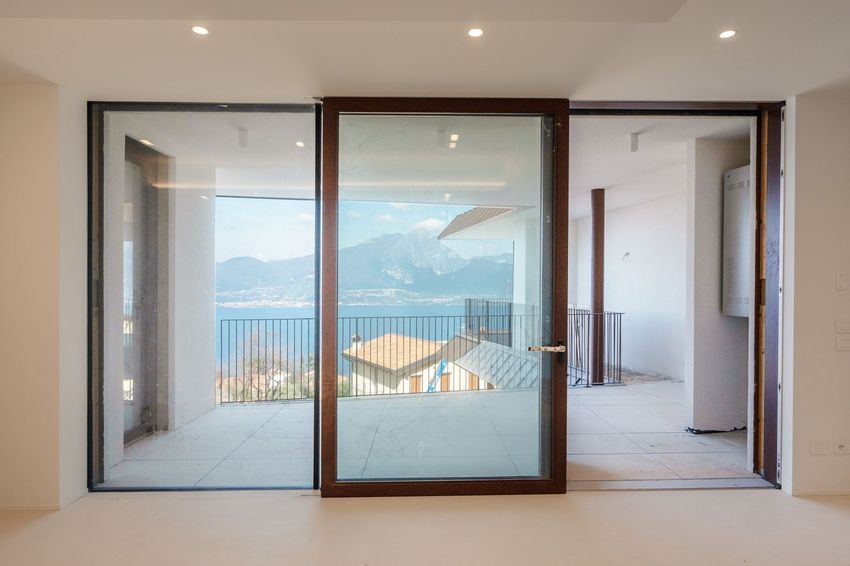 Apartment
€850,000
Verona
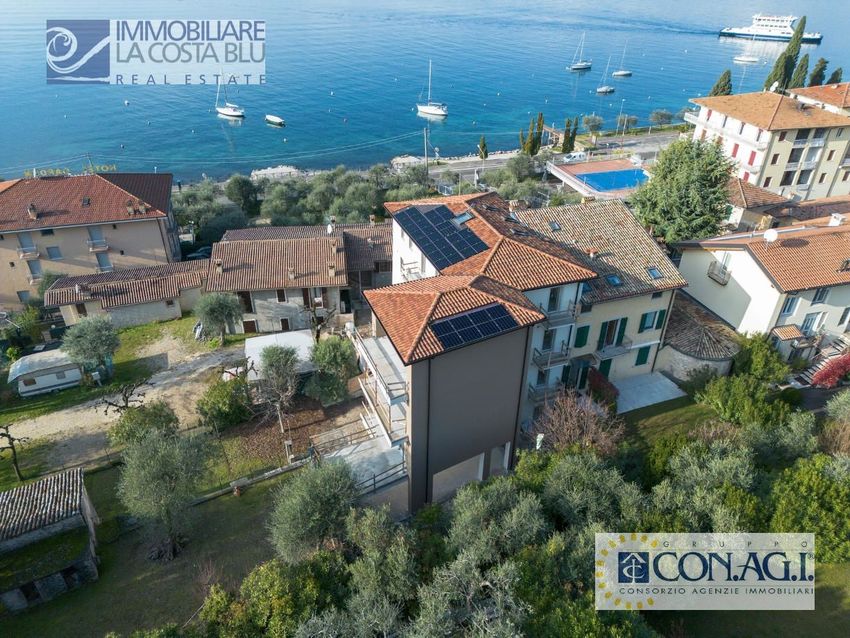 Apartment
€445,000
Verona
 House
€782,000
Verona
 Apartment
€240,000
Verona
 Apartment
€500,000
Verona
 Apartment
€1,610,000
Verona
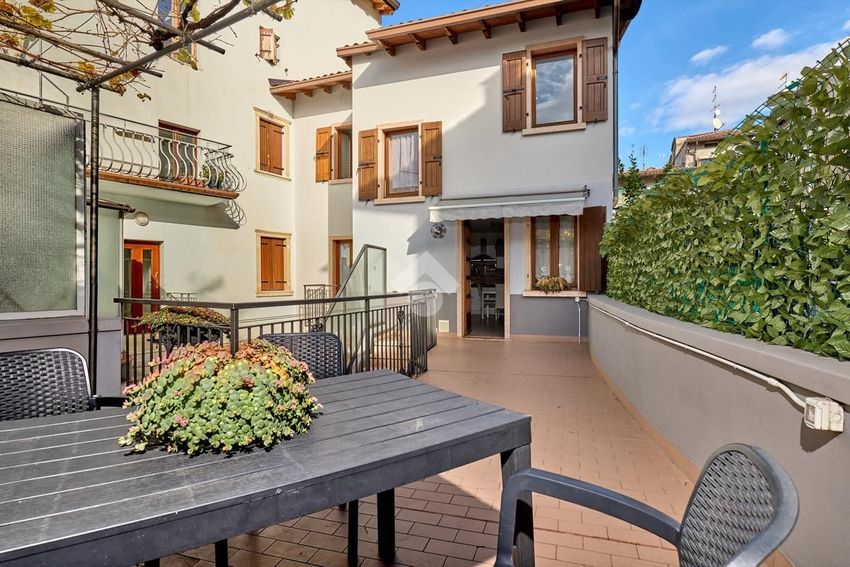 House
€700,000
Verona
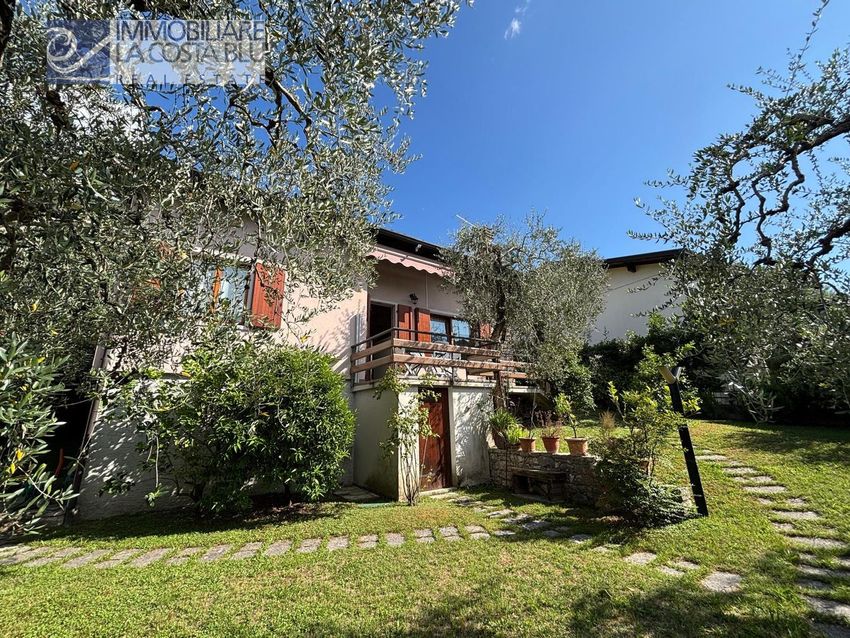 House
€790,000
Verona
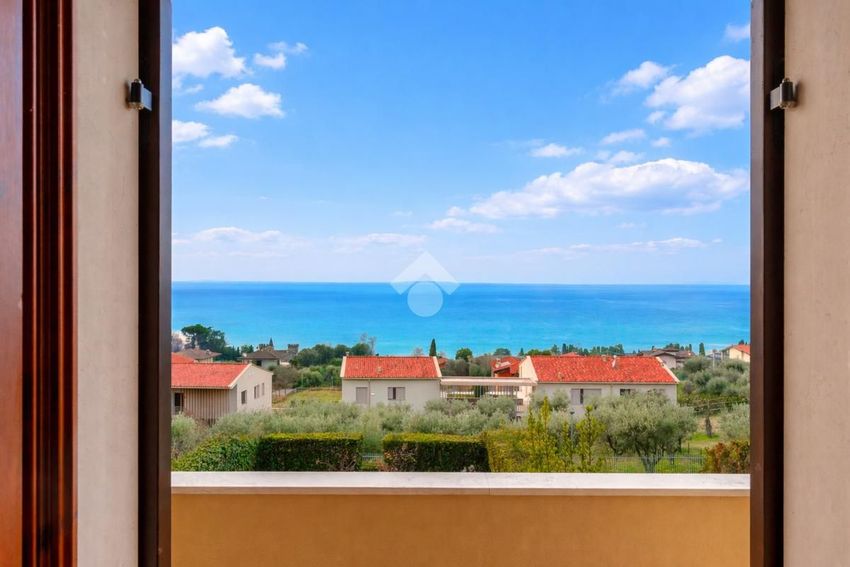 House
€1,200,000
Verona
 Villa
€2,180,000
Verona
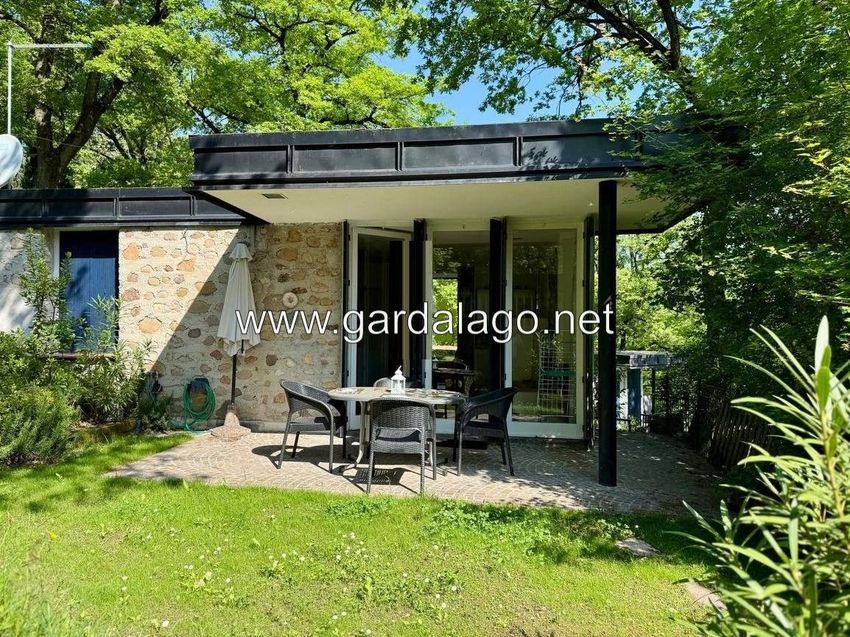 Villa
€320,000
Verona
Buyer's guide: Verona
Property for sale in Verona spans city-centre apartments within sight of the Roman Arena and large villas in the hills and countryside. Our 414 listings have a median asking price of €395,000, and the wide spread tells you how much location matters.
Based on current listings on RealEstateAbroad; these are advertised prices.
| Measure | Verona |
|---|---|
| Median asking price | €395,000 |
| P25 to p75 | €249,250 to €692,500 |
| Median price per m² | €4,400 |
| Median size | 100 m² |
| Listings | 414 |
Apartments make up 253 of the listings, houses 80, villas 61, penthouses 11, plots 6 and commercial units 3. The p25 to p75 range stretches from about €249,000 to €692,500, a sign that the province's lake and hill villas are mixed in with city flats. Bedroom data skews high (142 listings with five or more), which probably reflects how Italian portals count rooms, so use it as a rough guide only.
For villas see villas in Italy and for city flats apartments in Italy.
| Type | Listings |
|---|---|
| Apartment | 253 |
| House | 80 |
| Villa | 61 |
| Penthouse | 11 |
| Land | 6 |
| Commercial | 3 |
Verona is a compact, well-run city in the Veneto with a major rail junction on the Milan–Venice line, an airport, and Lake Garda about 30 minutes west. The historic centre inside the Adige loop has the Arena, Piazza delle Erbe and Castelvecchio; Veronetta, across the river, is student-oriented and cheaper; Borgo Trento and Valdonega are favoured by families and professionals seeking quieter streets and green hills.
The economy is a mix of trade fairs (Vinitaly is held here), logistics, wine and tourism, so there is a steady rental demand from workers and short-stay visitors. Some old-town buildings face tough rules on external changes because of heritage protection, so check any renovation plans first.
Verona is priced like northern Italy, with centre flats near €4,400 per m² and very different numbers in the hills.
Many Italian apartments pre-date modern insulation. Ask for the energy performance certificate (APE), check the condominium's heating system and request the last three years of building meeting minutes (verbali) to see whether major works have been voted. Government incentives for renovation have changed repeatedly in recent years, so do not assume that a tax bonus applies without confirming with an accountant.
A flat inside the historic centre will have tall ceilings, little parking and stiff heritage controls; expect to pay for the address. In Borgo Trento, Valdonega and the first hillside ring, villas and apartments with gardens trade at a premium because of views over the Adige. The outer districts such as Borgo Roma, San Michele Extra and Chievo offer newer blocks and parking at lower prices.
Beyond the city, the surrounding province includes Valpolicella wine country, the eastern side of Lake Garda and the Lessinia hills. These areas account for much of the villa stock in our 414 listings and lift the upper end of the price range, which reaches €692,500 at the 75th percentile. If you are weighing a vineyard house, ask about agricultural zoning, access roads and the cost of heating a large property in a climate that is cold enough for fog and frost in winter.
Verona is also well placed for work: the high-speed rail connection to Milan, Bologna and Venice, the A4 and A22 motorways and the nearby Brenner route to Austria and Germany explain why many buyers are commuters and logistics professionals.
EU citizens buy freely; non-EU buyers typically need reciprocity between Italy and their home country, which most major countries meet. You need an Italian tax code (codice fiscale), a notary (notaio) for the deed, and usually a preliminary contract (compromesso) with a deposit.
Approximate taxes on resale (verify locally): registration tax of 2% on a main residence or 9% on a second home, calculated on cadastral value, plus notary fees and agency commission of around 3% to 4% plus VAT. New builds attract VAT. Annual IMU property tax applies to second homes. Our Italy consultation guide, the Italy mortgage page and the Italy country page cover the details. If you want a lower budget, see Italian properties under €100k.
Last updated 8 October 2026
The median asking price across all types is €395,000 and the median price per m² is €4,400. Half of listings fall between roughly €249,250 and €692,500, so condition and address matter a lot.
Verona is a working city with year-round life, while Garda is seasonal and more expensive per m² in prime towns. Many buyers choose Verona for the rail and airport links and treat Garda as a day trip.
No, but non-EU buyers must meet reciprocity requirements, which a notary can check. You also need a codice fiscale and an Italian bank account to complete the purchase.
As a rough guide, 9% registration tax on cadastral value, notary fees and agent commission. These are approximate, and you should confirm the current numbers with a notary.
Italian banks lend to non-residents, often up to 50% to 60% of value, and require income documents. Start early because the process takes several weeks.
Some are rural properties needing renovation. Check structural condition, planning status and heating before you compare them with city flats.