
 Apartment
€222,500
Rome
1 ba

1,955 homes and apartments for sale in Rome, Italy.
Photo: Wyatt Simpson / Unsplash
29 properties shown
Apartment€222,500
Rome
 Apartment
€48,000
Rome
 Apartment
€280,000
Rome
 Apartment
€87,000
Rome
 Apartment
€266,500
Rome
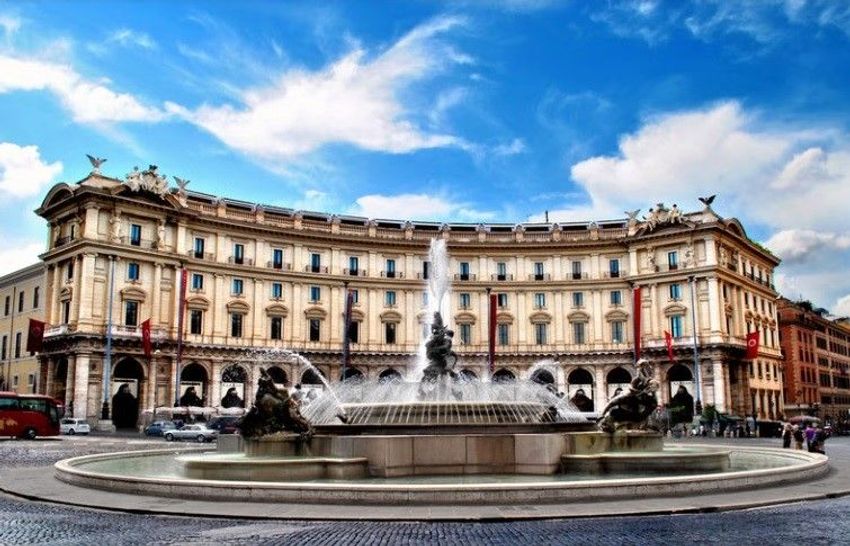 Apartment
€800,000
Rome
 Apartment
€7,800,000
Rome
 Villa
€1,200,000
Rome
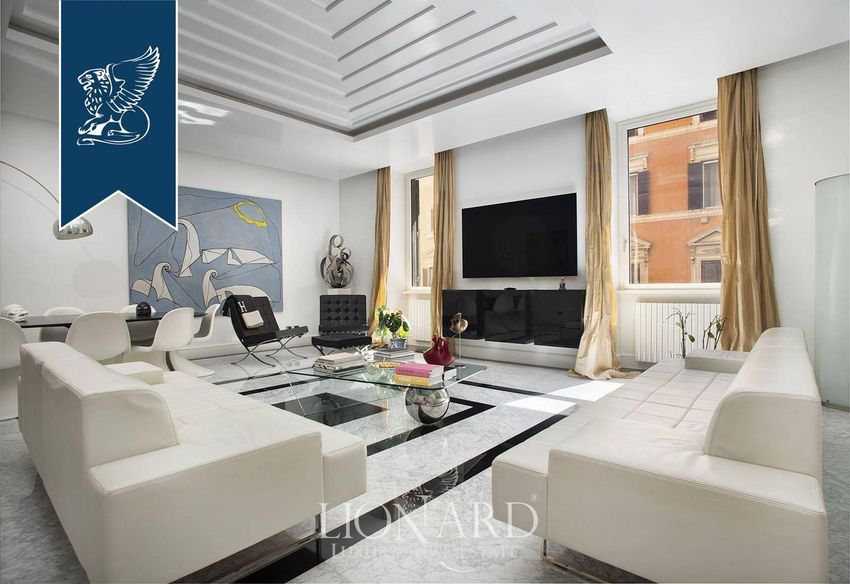 Apartment
€2,250,000
Rome
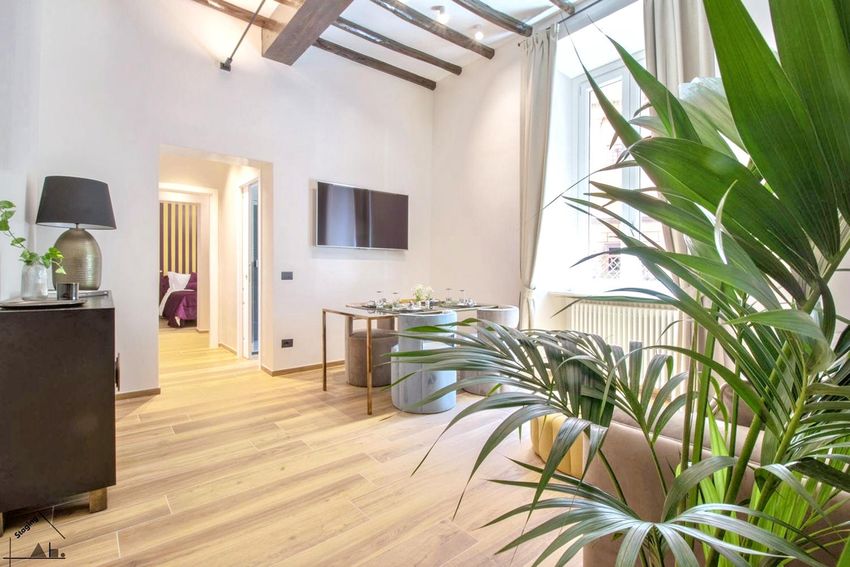 Apartment
€1,280,000
Rome
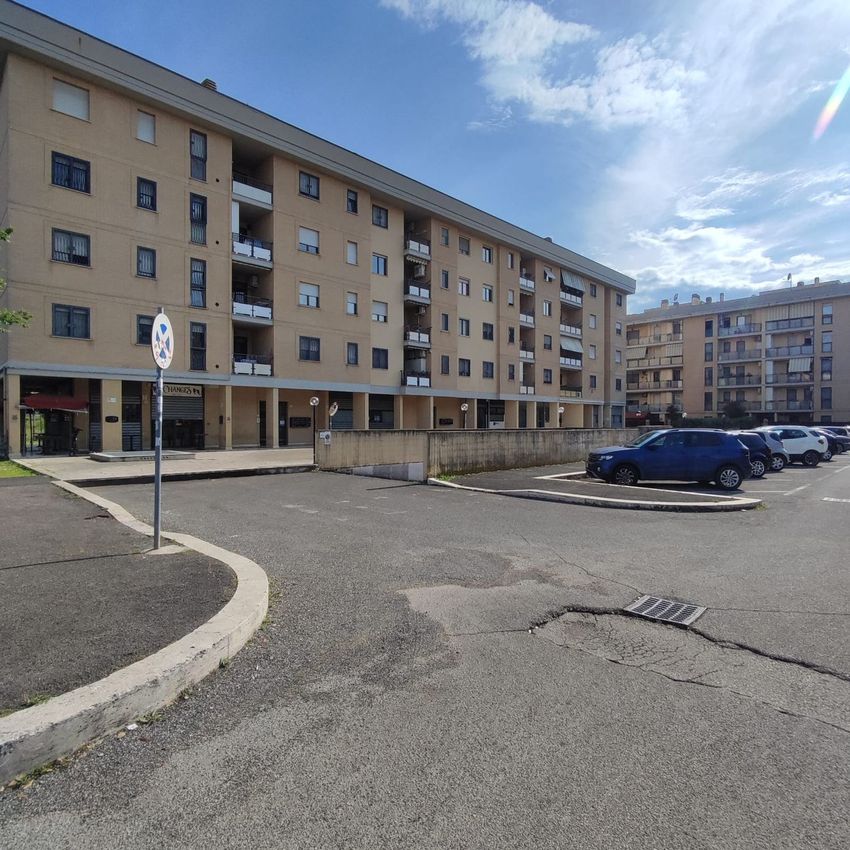 Apartment
€205,000
Rome
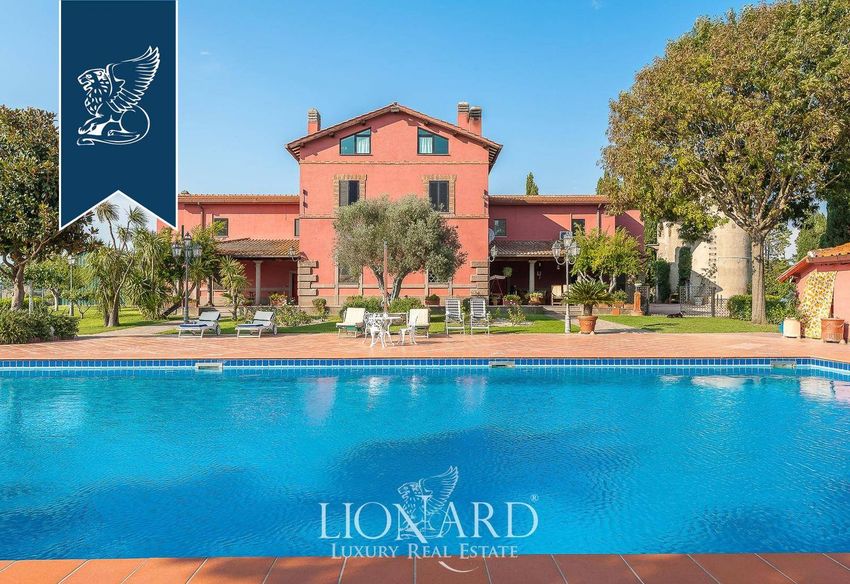 Villa
€8,000,000
Rome
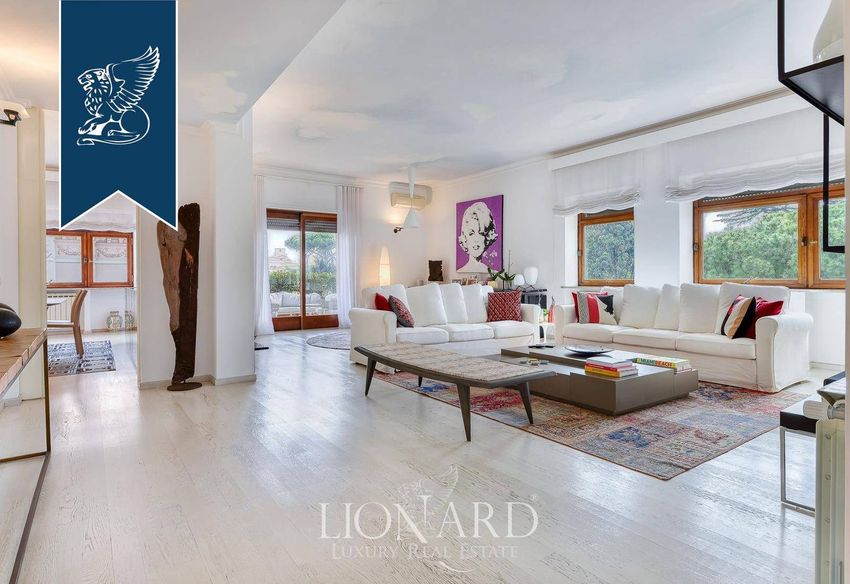 Apartment
€3,100,000
Rome
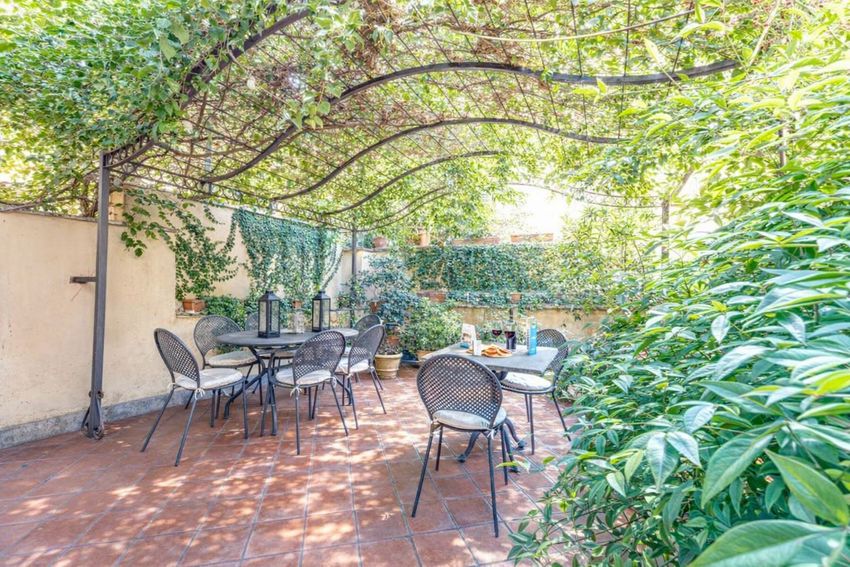 House
€1,700,000
Rome
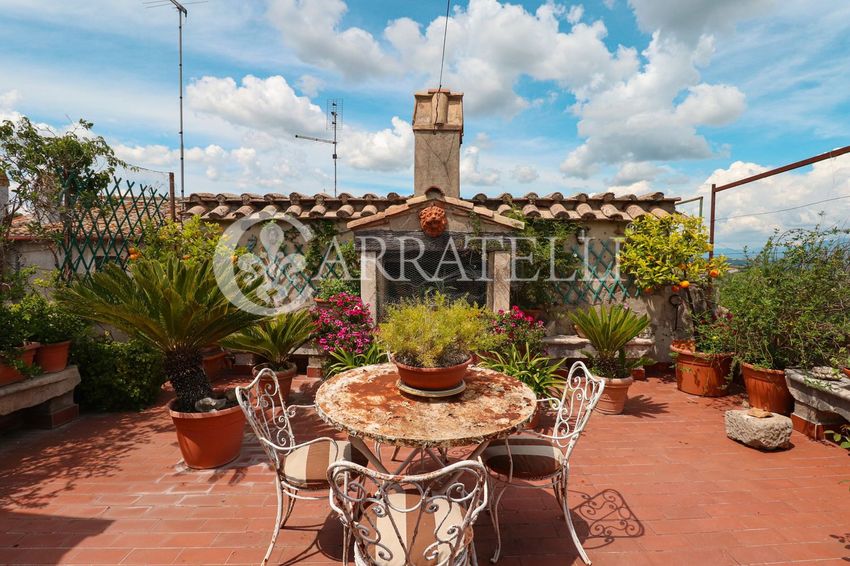 Penthouse
€650,000
Rome
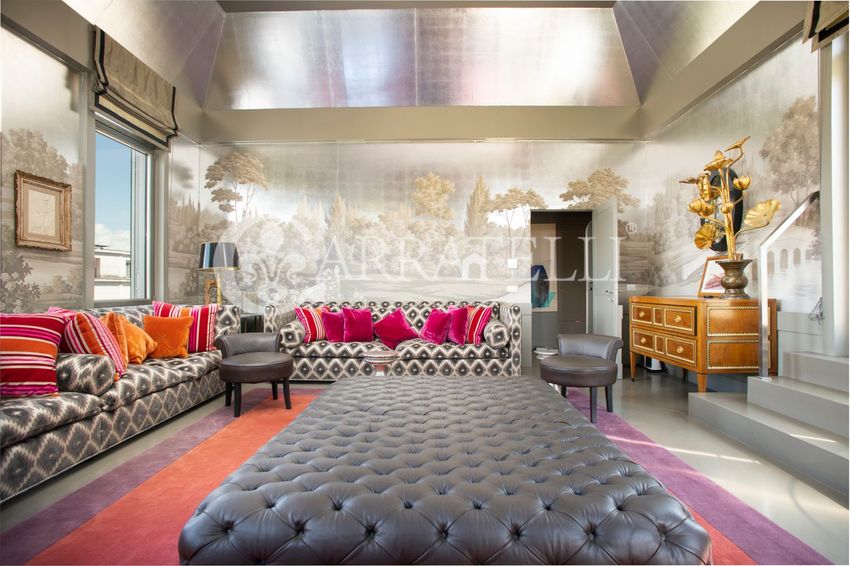 Penthouse
€7,000,000
Rome
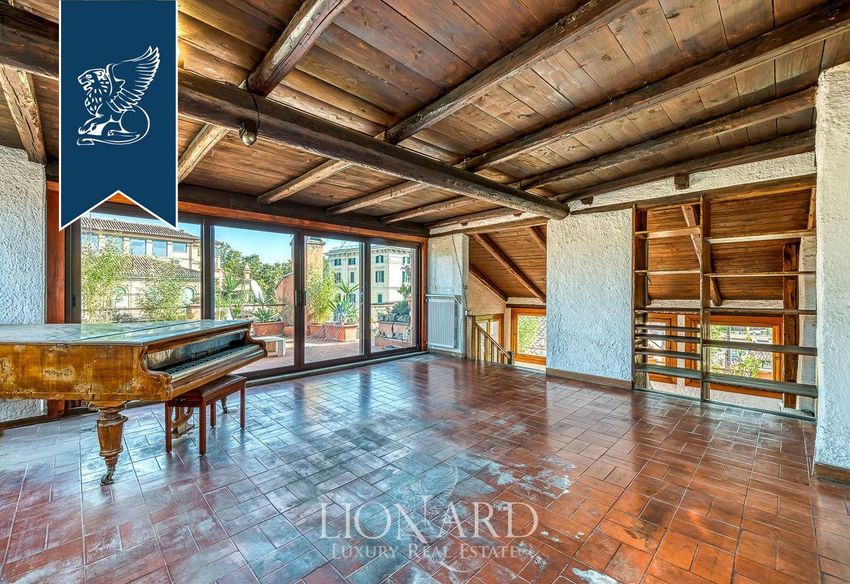 Apartment
€2,900,000
Rome
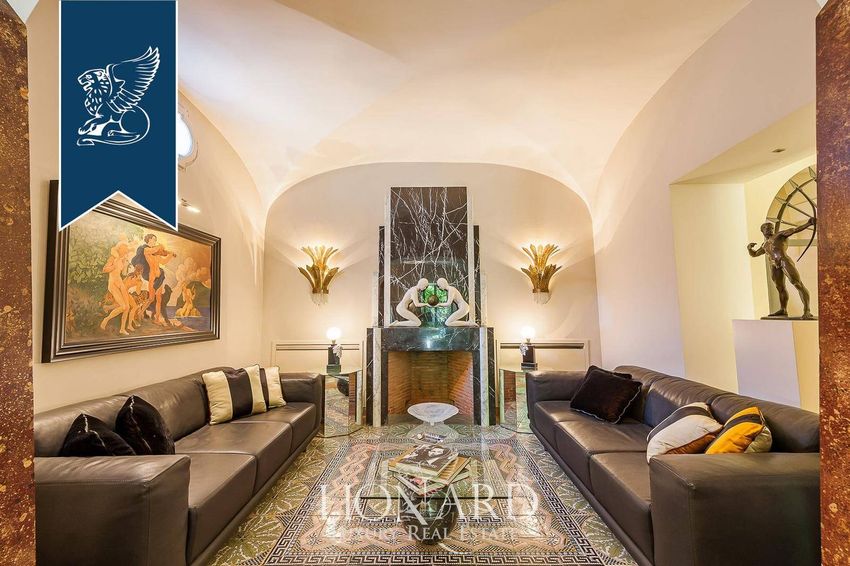 Villa
€2,900,000
Rome
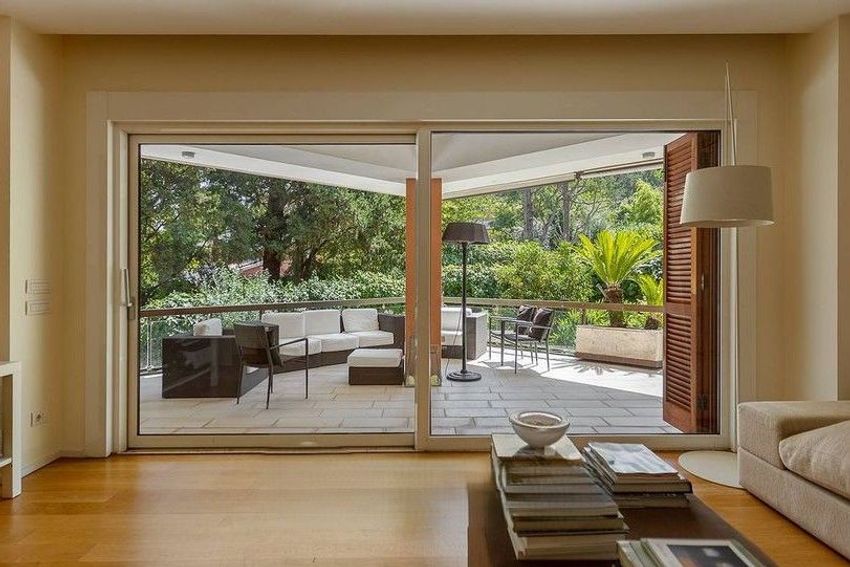 Apartment
€990,000
Rome
 Villa
€2,750,000
Rome
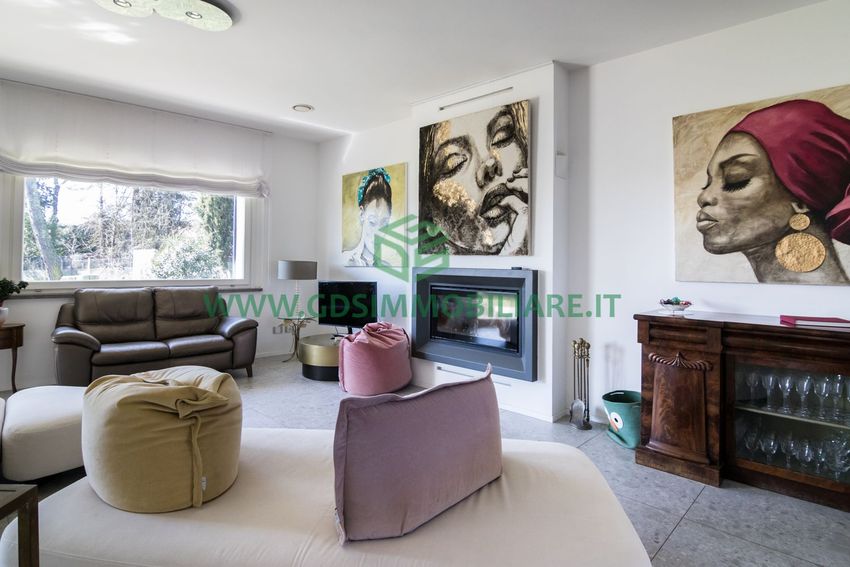 House
€650,000
Rome
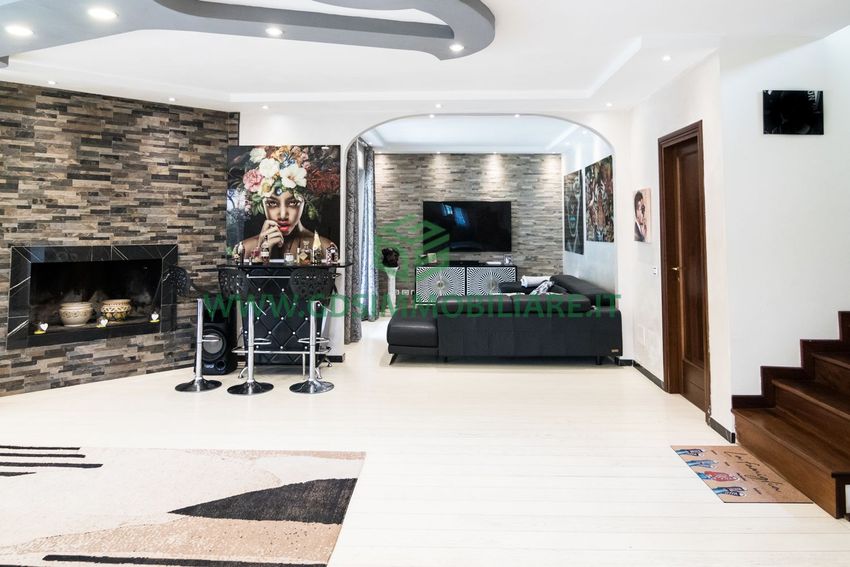 Villa
€520,000
Rome
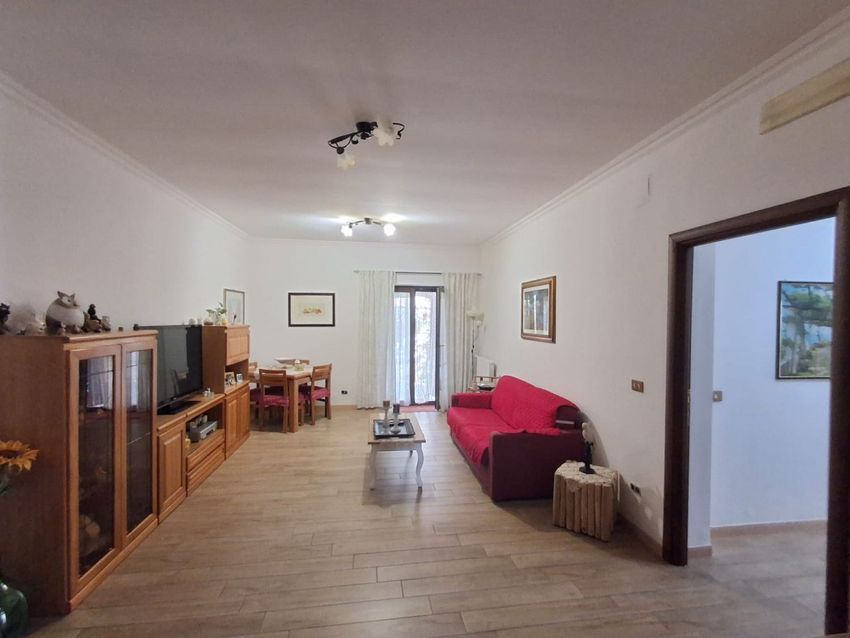 House
€219,000
Rome
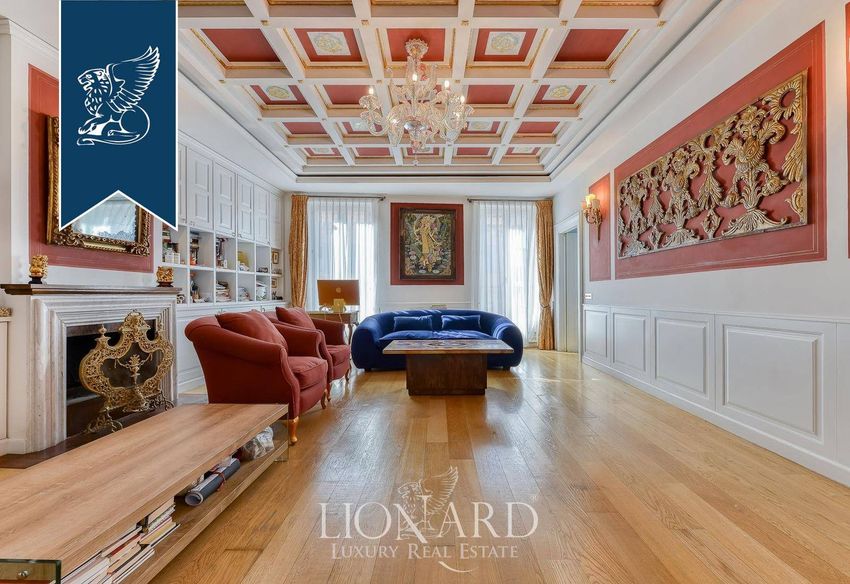 Apartment
€4,600,000
Rome
 House
€269,000
Rome
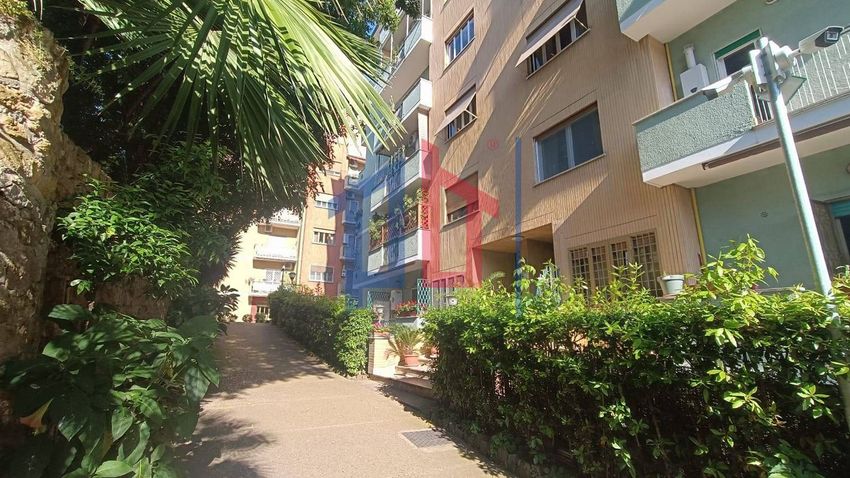 Apartment
€275,000
Rome
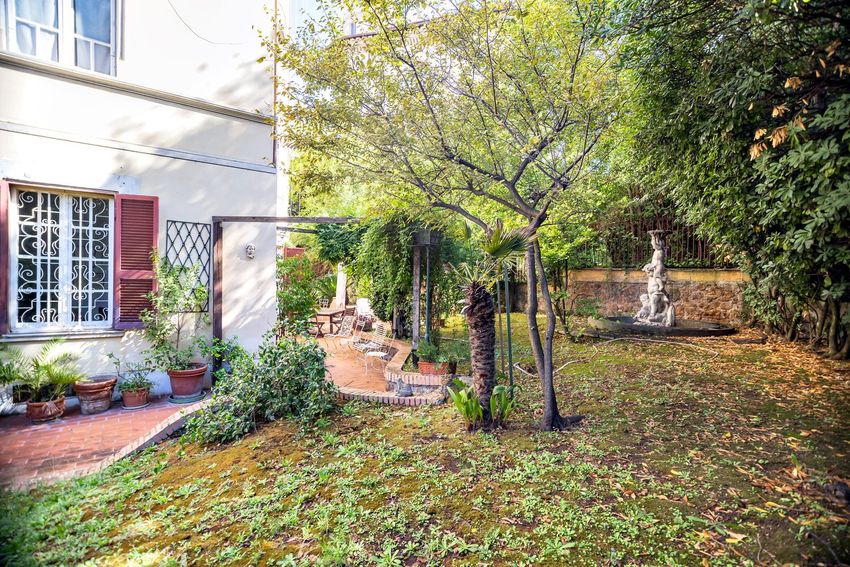 Apartment
€2,800,000
Rome
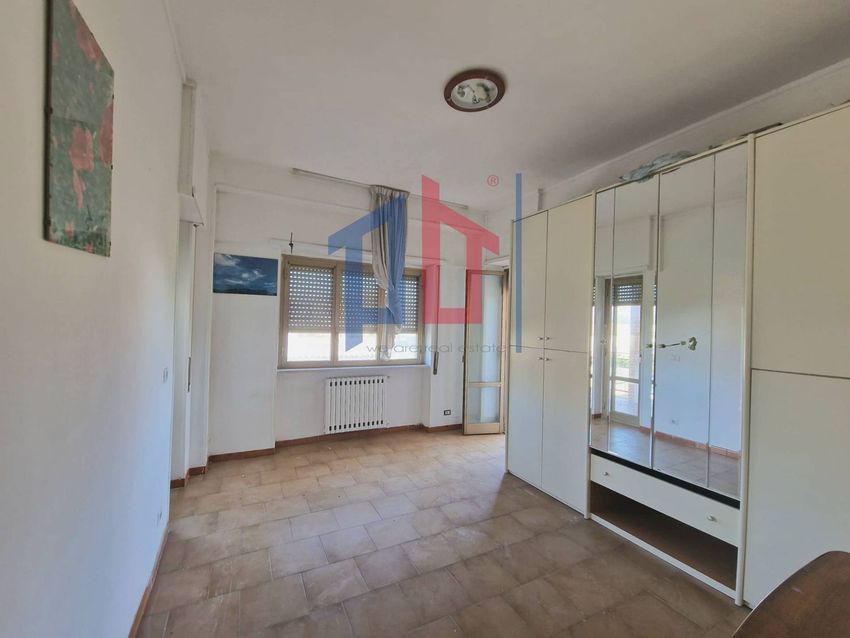 Apartment
€126,000
Rome
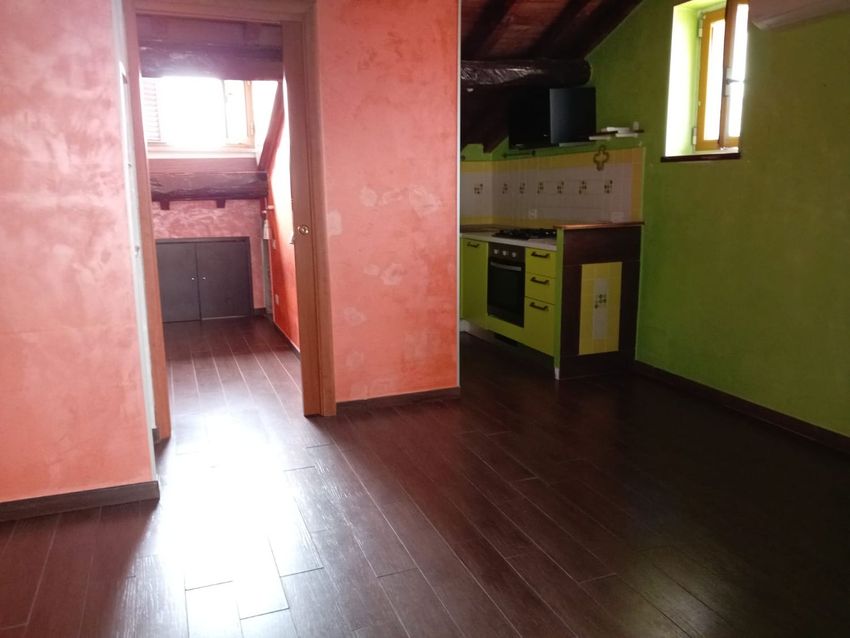 Apartment
€89,000
Rome
Buyer's guide: Rome
Rome has long drawn foreign buyers with its history and climate, and RealEstateAbroad lists 1,955 properties for sale there. The median asking price is €330,000, with a median of €3,304 per m², which is lower than Milan and much lower than central London or Paris. Italy's buying process is formal but not difficult once you understand the sequence.
Asking prices from our current listings, in euros.
| Measure | Rome |
|---|---|
| Listings | 1,955 |
| Median asking price | €330,000 |
| Quartile range | €204,667 to €595,000 |
| Median per m² | €3,304 |
| Median size | 100 m² |
Apartments account for 1,455 listings, villas 203, houses 150, commercial 77, penthouses 59 and land 4. Bedroom data contains a peak at the larger end: 563 three-bedroom, 514 five-plus, 399 four-bedroom and 320 two-bedroom, against 75 one-bedroom. The number of larger homes suggests that Rome listings include properties across the wider province (Castelli Romani, coastal Lazio) as well as the city.
The difference between the lower quartile of €204,667 and the upper quartile of €595,000 reflects this variety. Browse Italian apartments or villas in the national set.
The historic centre (Centro Storico, Monti, Trastevere) is expensive and tourist-heavy, with small flats in old buildings. Prati, close to the Vatican, is an elegant residential district with a high number of professionals. Testaccio and San Giovanni are lively and local. Parioli and Aventino are leafy, upmarket areas. Eur, a planned district built in the 1930s, has offices and apartments, and the coast at Ostia is a suburb with beach access.
Rome's metro is limited, with a new line C in progress, so living near a metro or tram line is helpful. Rome has two airports, Fiumicino and Ciampino. Heat in July and August affects comfort; top-floor flats without air conditioning can be very hot, and ground floors can be damp.
The process generally runs through four stages.
Costs include registration tax (about 2% of the cadastral value for a primary residence and 9% for other residential purchases when buying from a private individual), notary fees and agent commission (commonly 3% plus VAT from each side). Buying from a developer attracts VAT instead. The annual IMU property tax applies to second homes, not primary residences. Verify rates with a notary. Non-EU foreigners can generally buy if reciprocity exists with their home country, and an Italian tax code (codice fiscale) is needed.
Our Italy buying guide, Italian mortgage guide and Italy market analysis help with planning.
Most Roman apartments are in condominiums with an administrator who sets annual expenses. Request the last two years of meeting minutes (verbali) to see whether roof, façade or lift works are planned, because major works are shared among owners. In historic centres, protected-building rules restrict renovations and require approvals from the heritage authority (Soprintendenza), which can delay or complicate a refit. Bonuses for energy-efficient works have changed over time, so ask an accountant what is currently available. Check the energy certificate (APE) which sellers must provide, and the cadastral plan (planimetria), which must match the actual layout.
If Rome is beyond your budget, explore Perugia, Cosenza, Naples, Sassari, Campobasso or Aosta. Prices in the south and in smaller regional capitals are far lower. The Italy hub lists more, and the mortgage calculator can estimate costs.
Last updated 8 October 2026
Yes. Italy allows foreign buyers, usually subject to reciprocity for non-EU nationals, and requires a tax code. Your notary can confirm eligibility.
The median asking price is €330,000, or €3,304 per m². Central districts such as Trastevere and Prati cost more.
It is the preliminary contract signed after the offer is accepted, with a deposit paid. It sets conditions and a date for the final deed.
Registration or VAT, plus cadastral and mortgage taxes, notary fees and agent commission. Rates depend on whether you buy from a private seller or a developer, and whether it is a primary residence.
Tourism supports short-term lets, but city rules, licensing and condominium regulations limit them. Long-term lets are steadier.
Most buyers use an agent, and fees are normally paid by both sides. A lawyer or a notary-led check is still essential, because the agent does not guarantee legal title.