
€850,000
Den Haag
5 bd 2 ba 163 m²

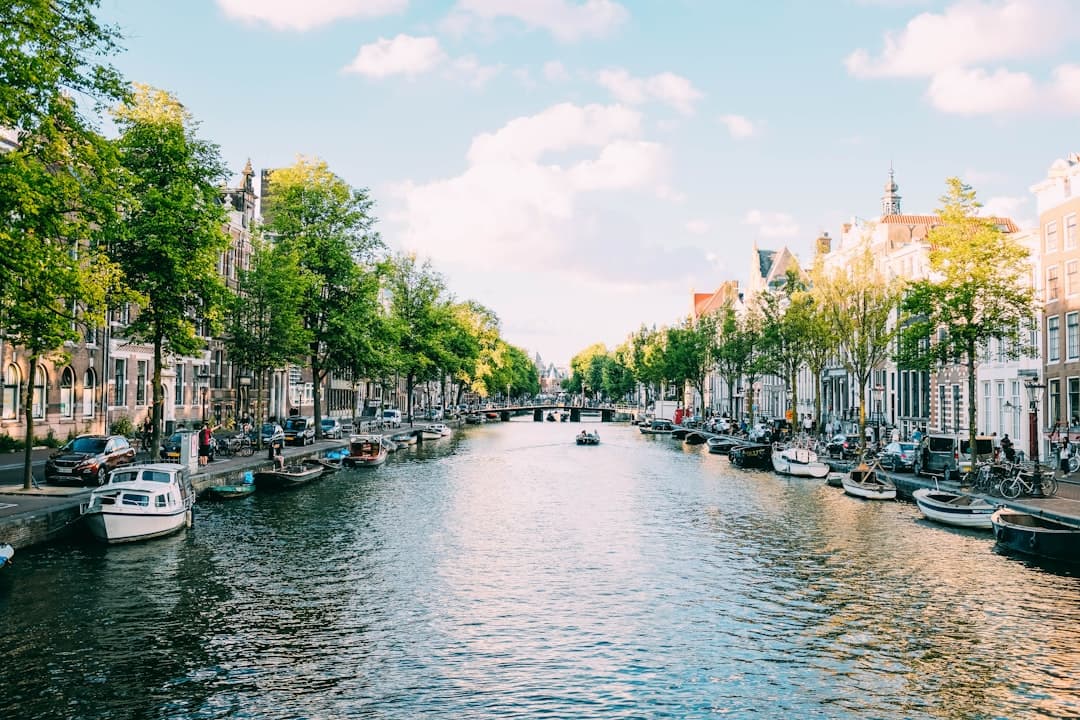
1,772 homes and apartments for sale in The Hague, Netherlands.
24 properties shown
€850,000
Den Haag
 House
House€495,000
Den Haag
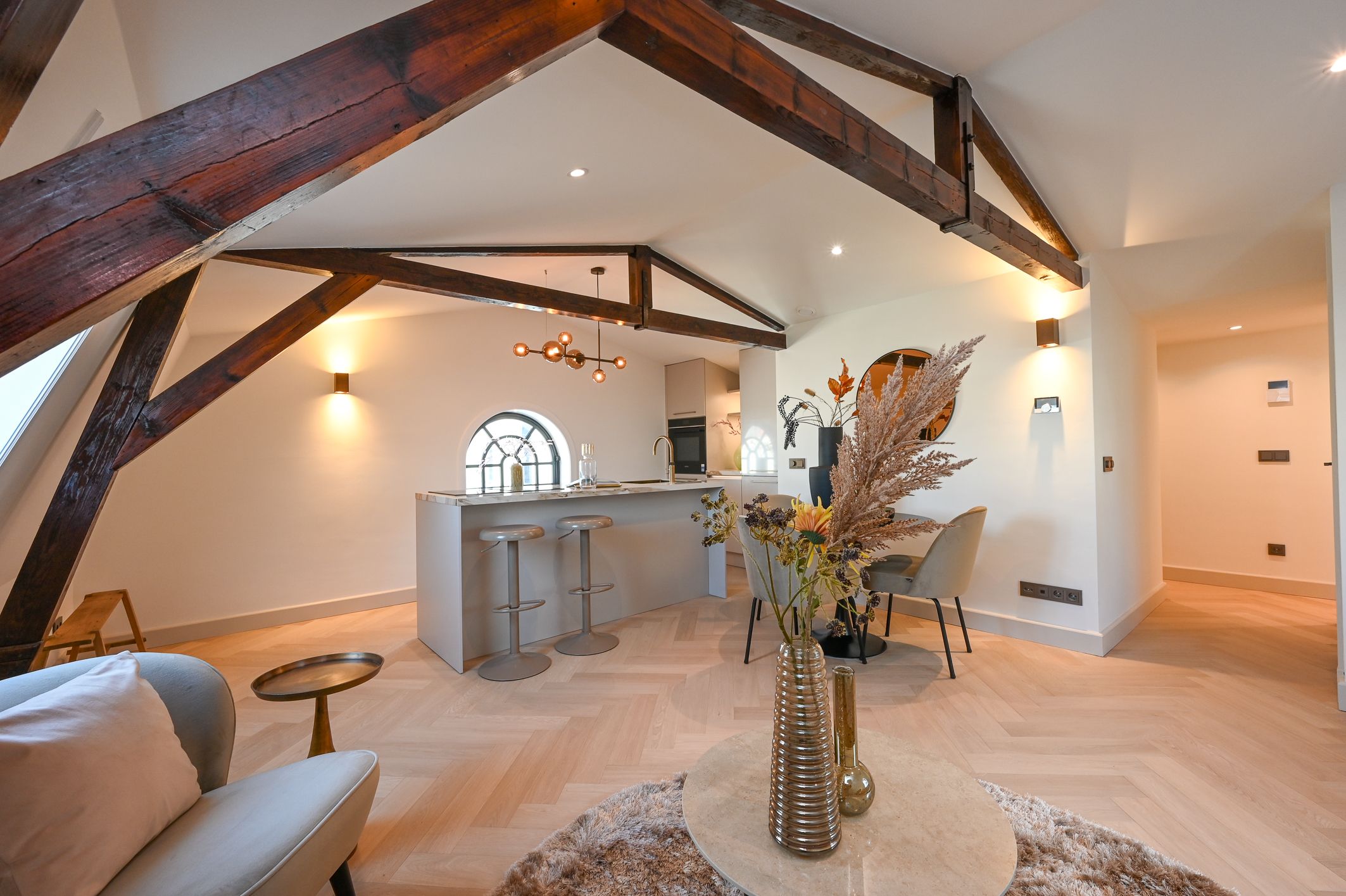 House
House€395,000
Den Haag
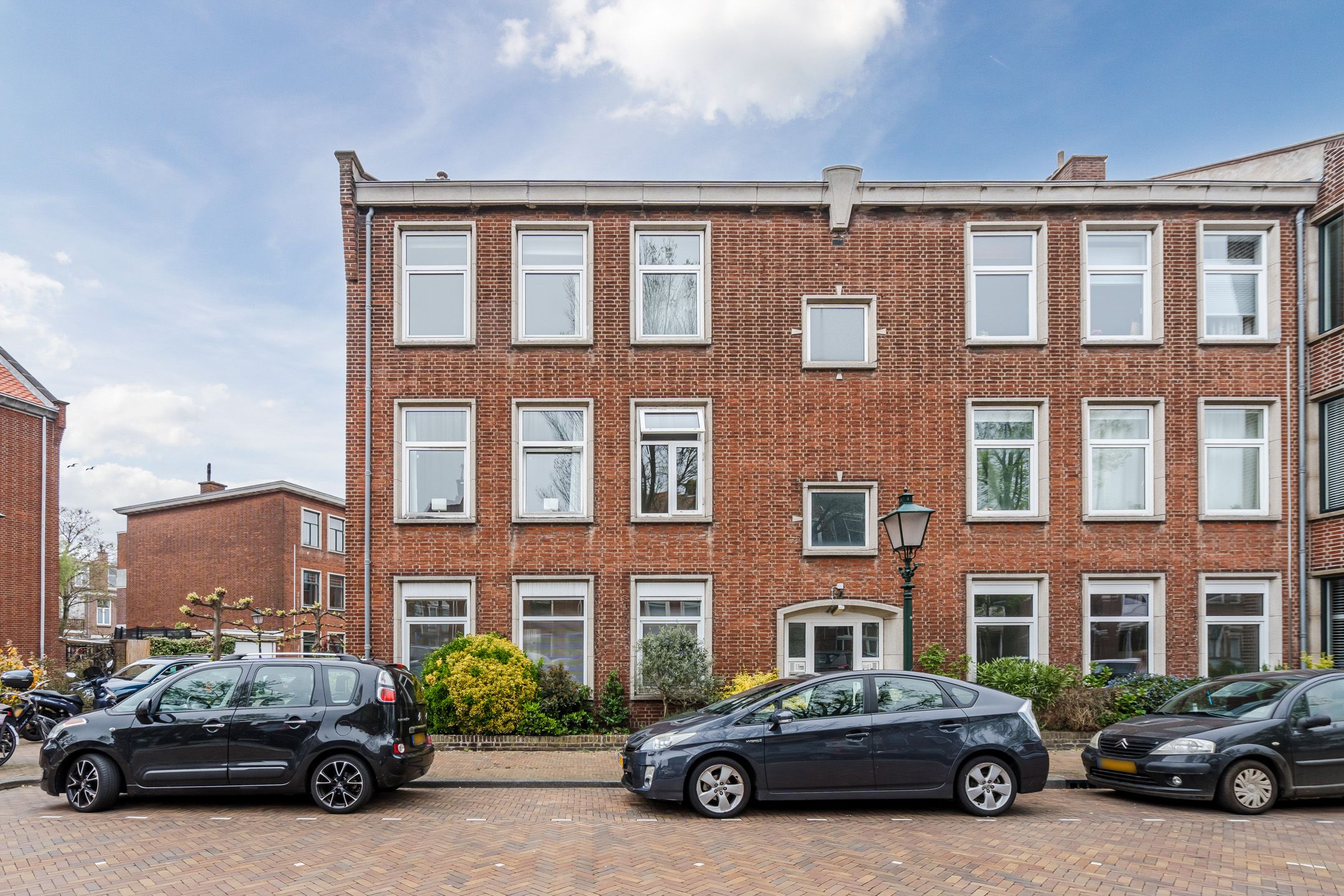 House
House€480,000
Den Haag
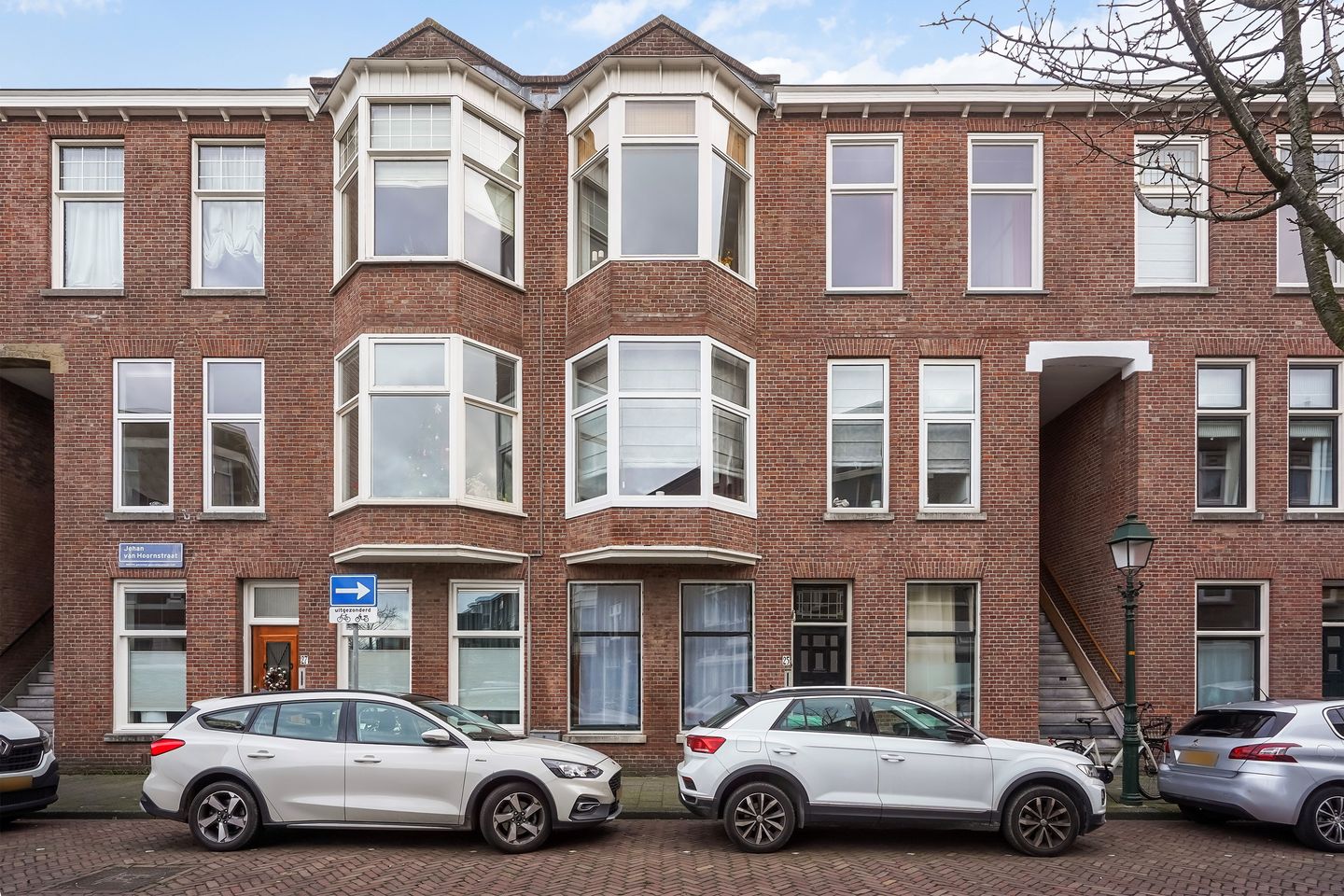 Apartment
€700,000
Den Haag
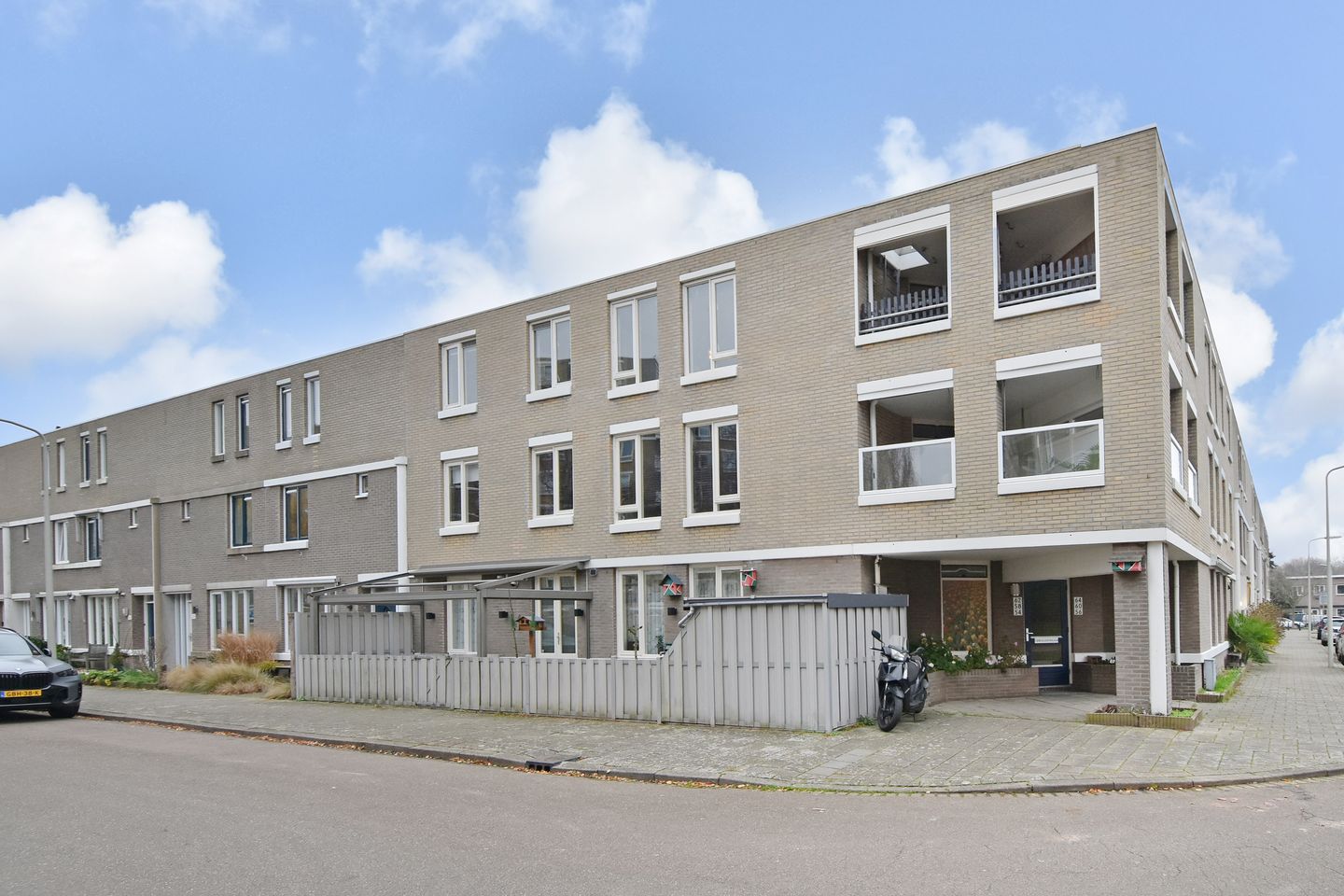 Apartment
€330,000
Den Haag
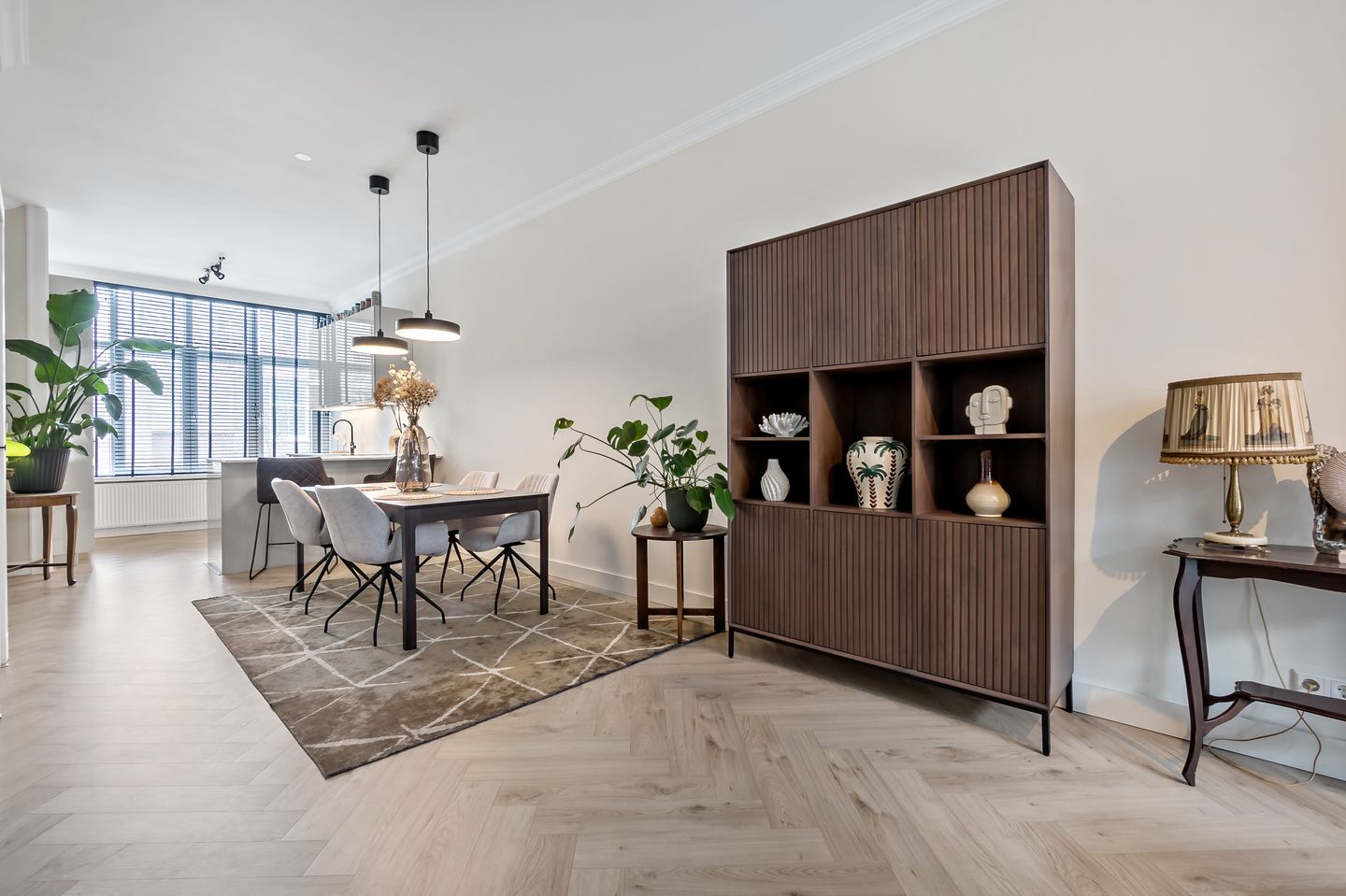 Apartment
€415,000
Den Haag
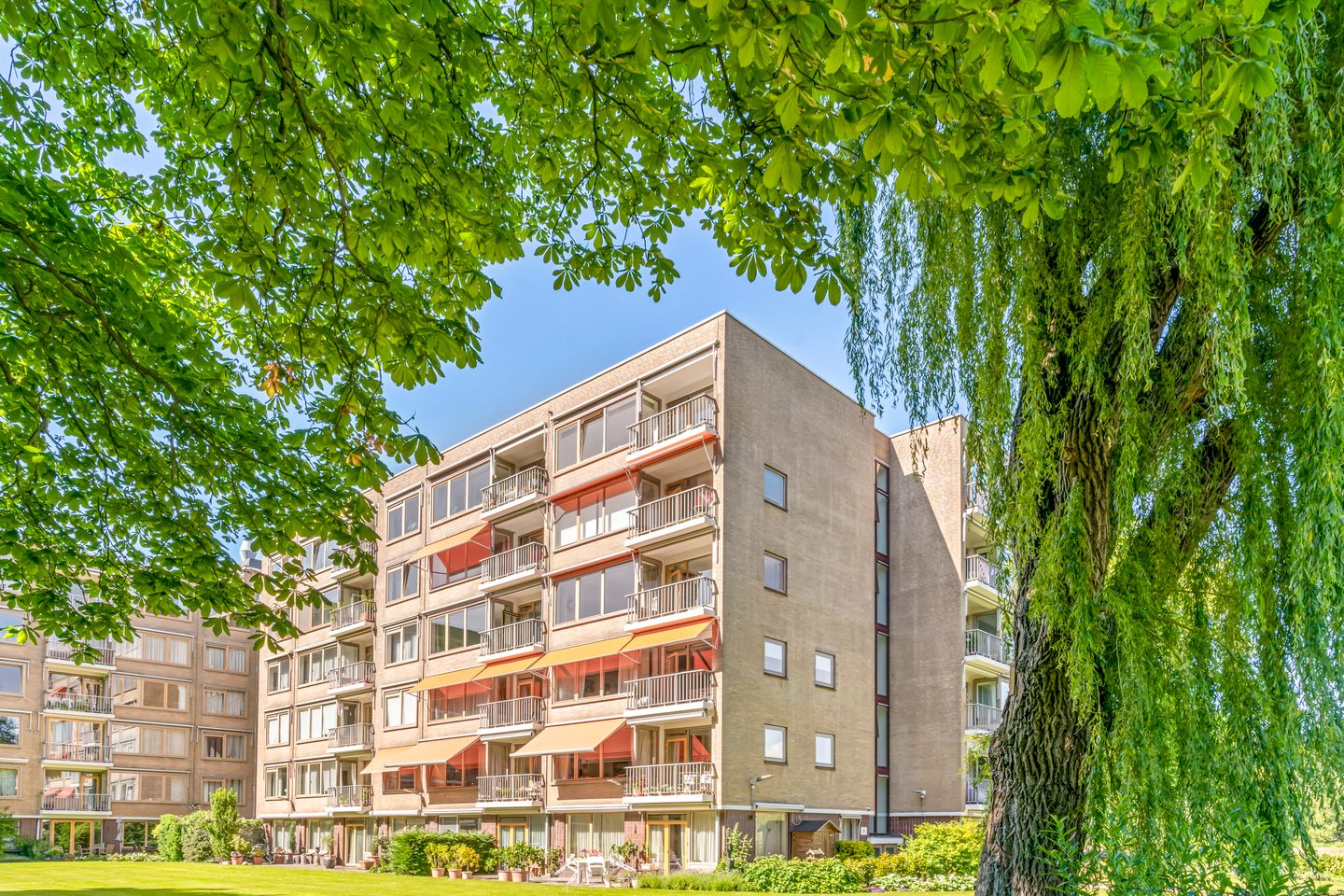 Apartment
€455,000
Den Haag
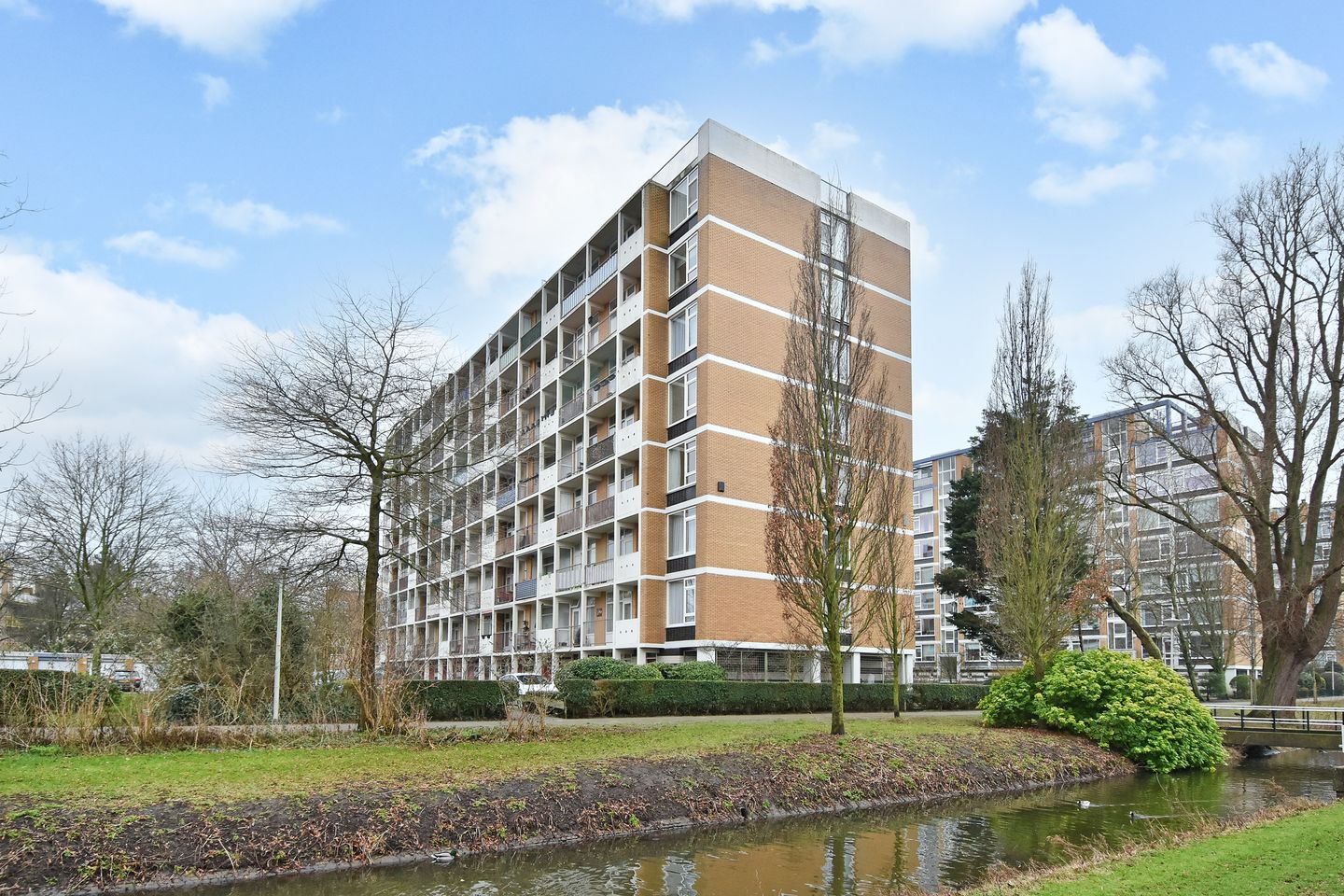 Apartment
€375,000
Den Haag
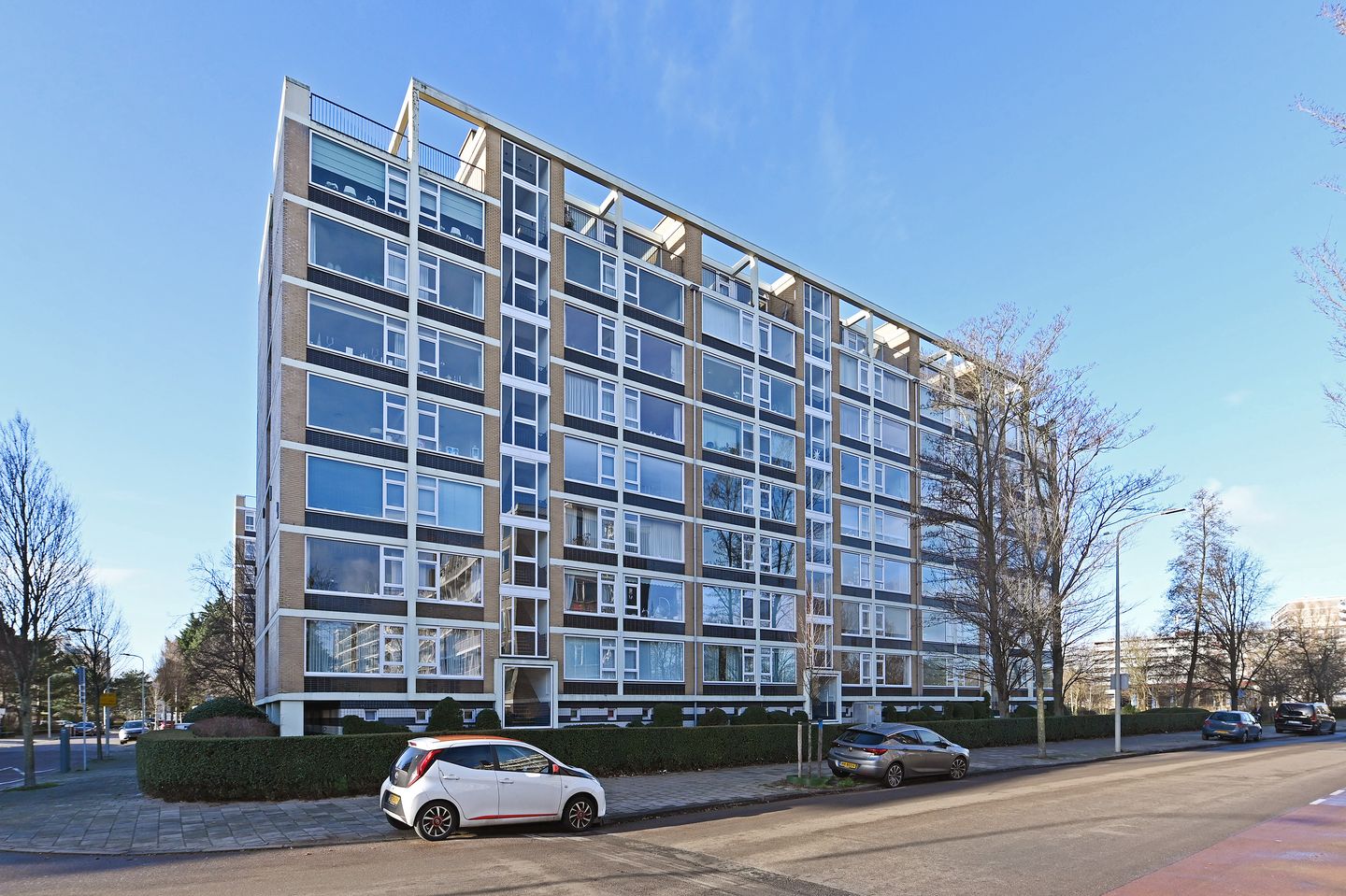 Apartment
€315,000
Den Haag
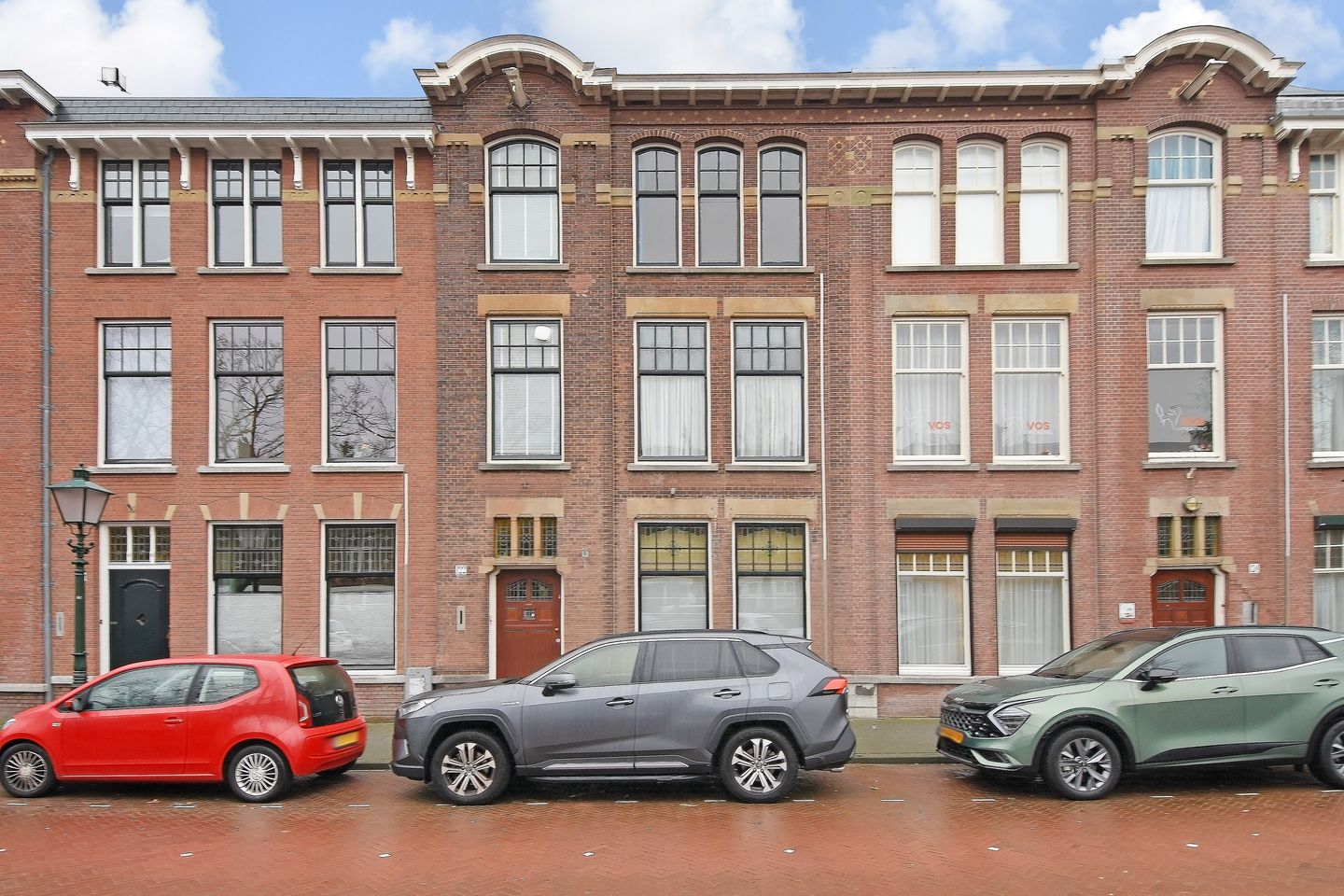 House
House€1,000,000
Den Haag
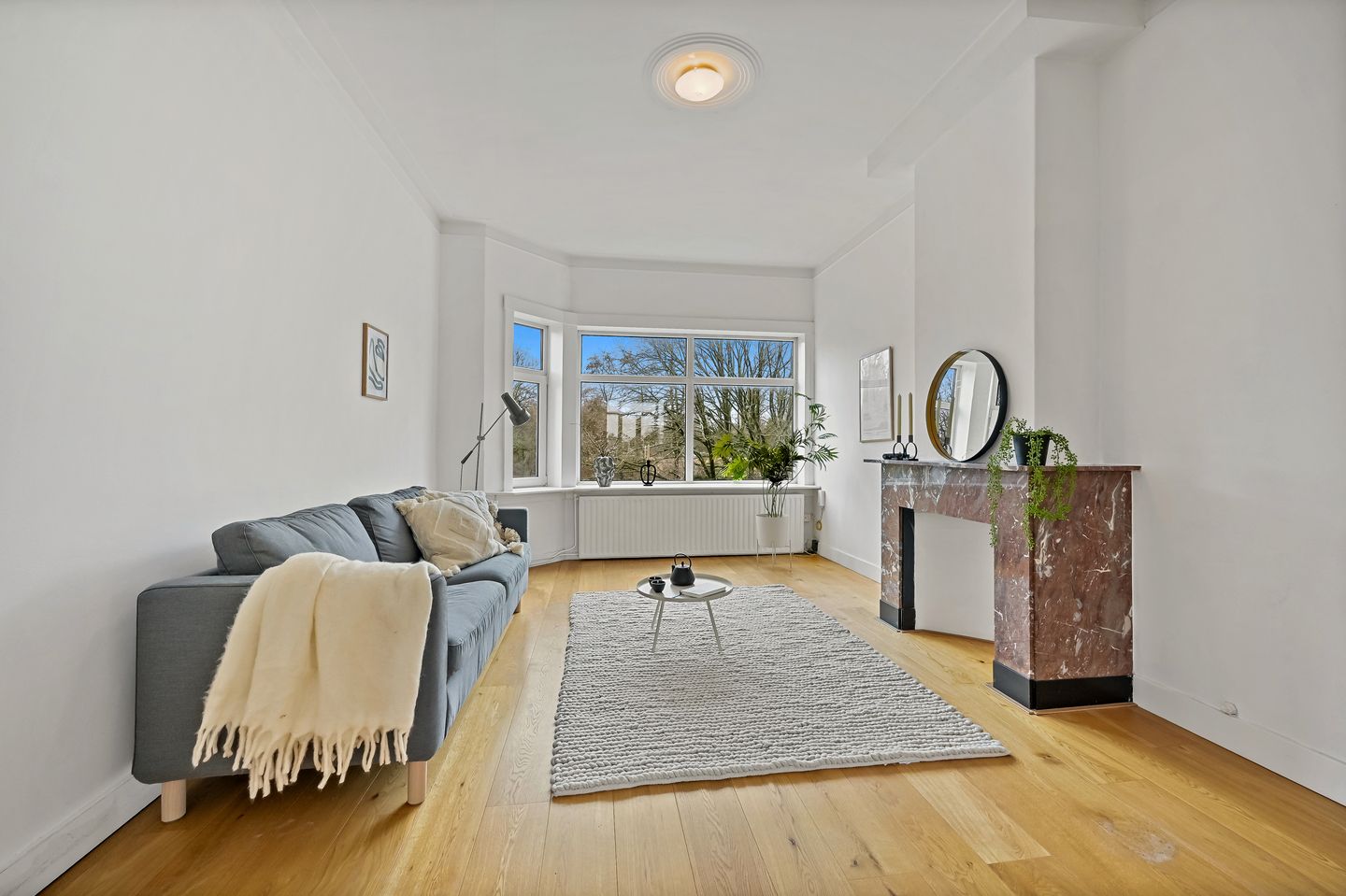 Apartment
€350,000
Den Haag
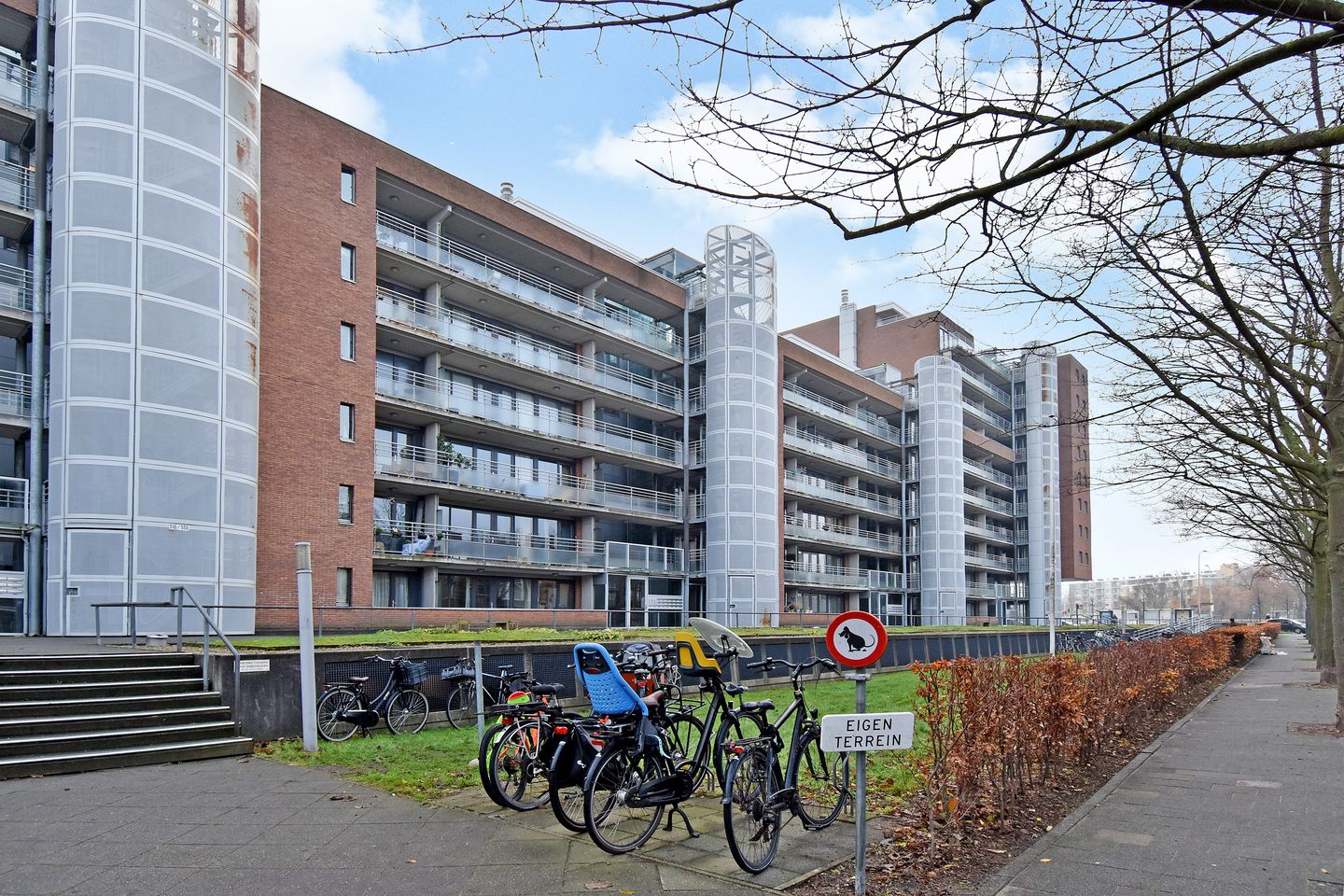 Apartment
€600,000
Den Haag
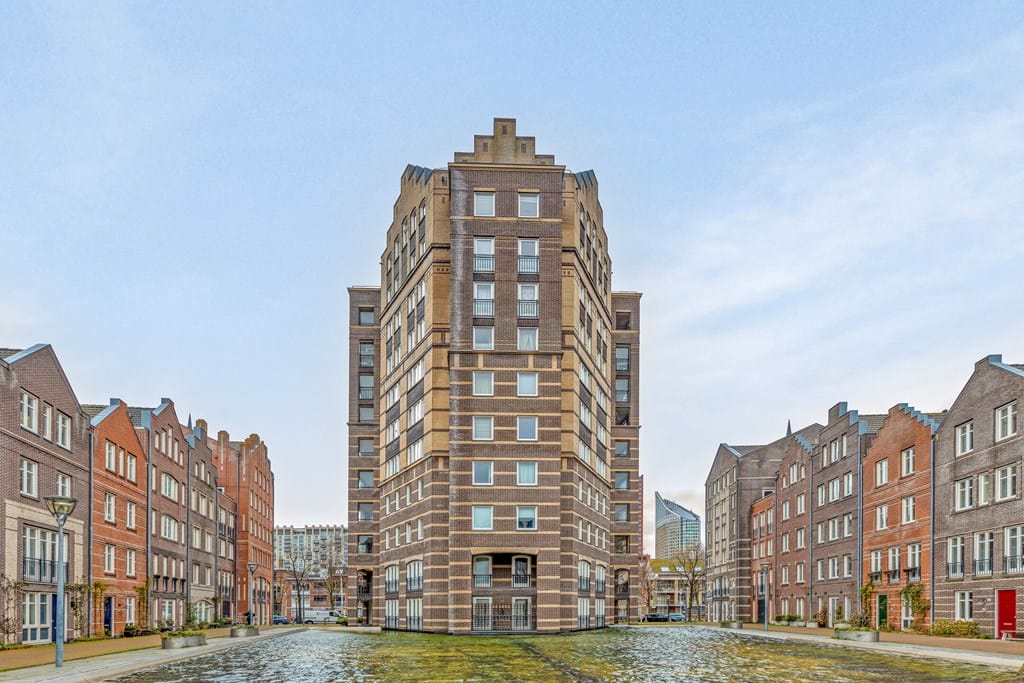 Apartment
€575,000
Den Haag
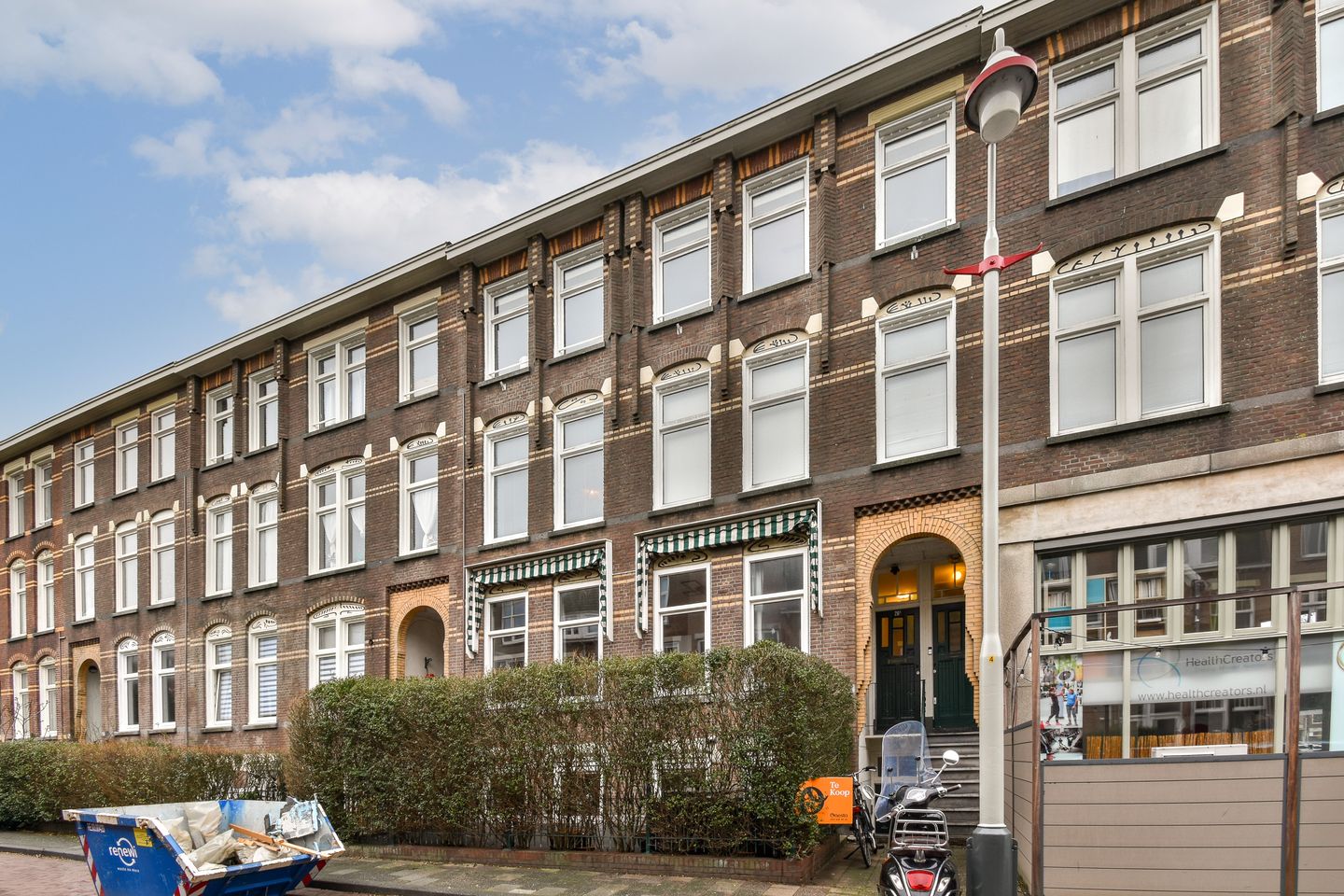 Apartment
€325,000
Den Haag
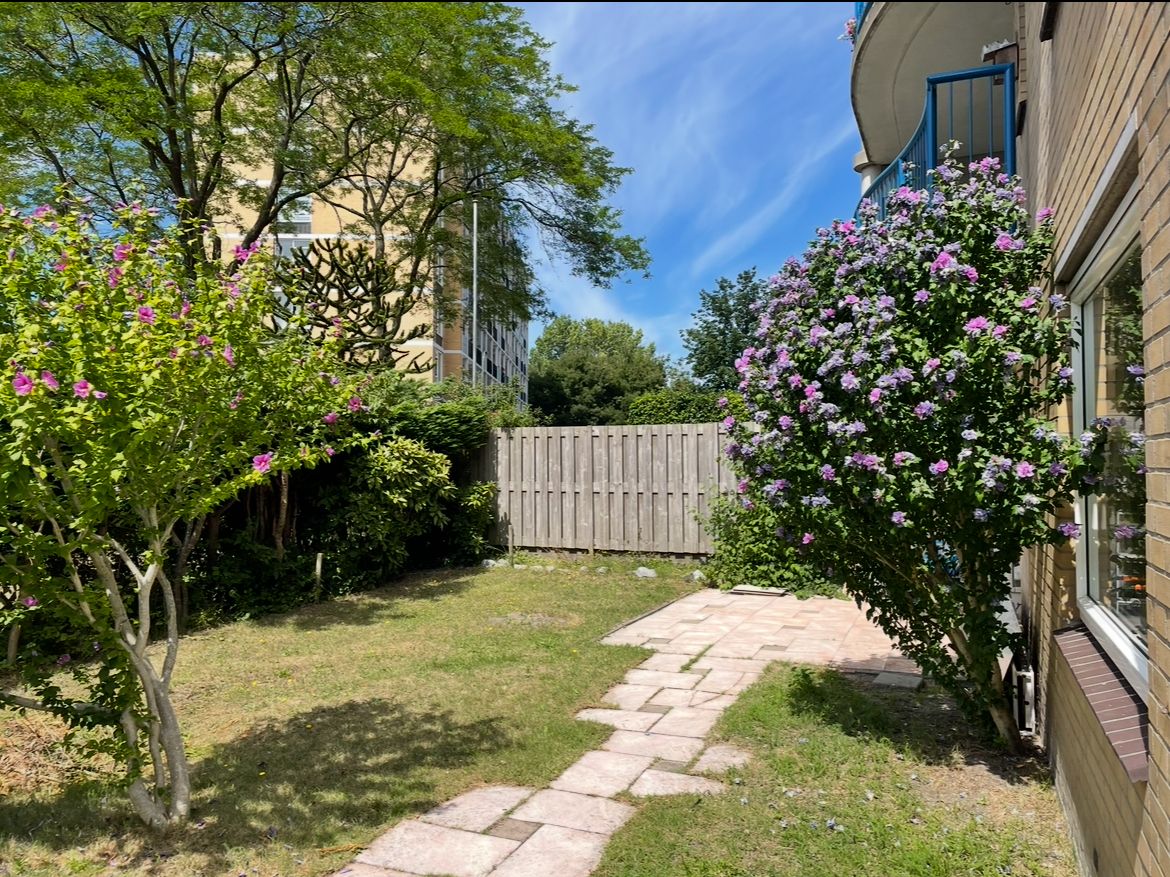 Apartment
€450,000
Den Haag
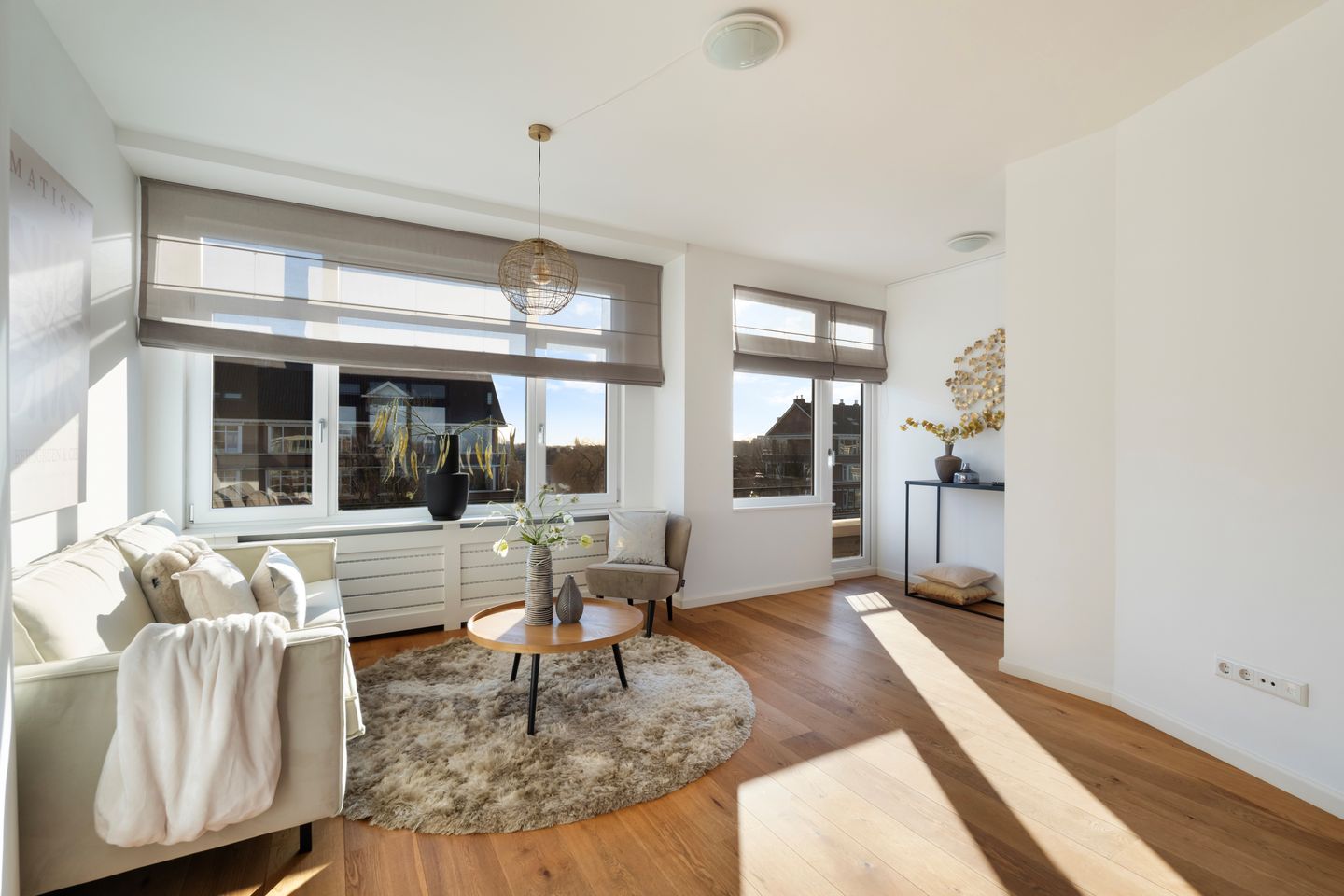 Apartment
€469,000
Den Haag
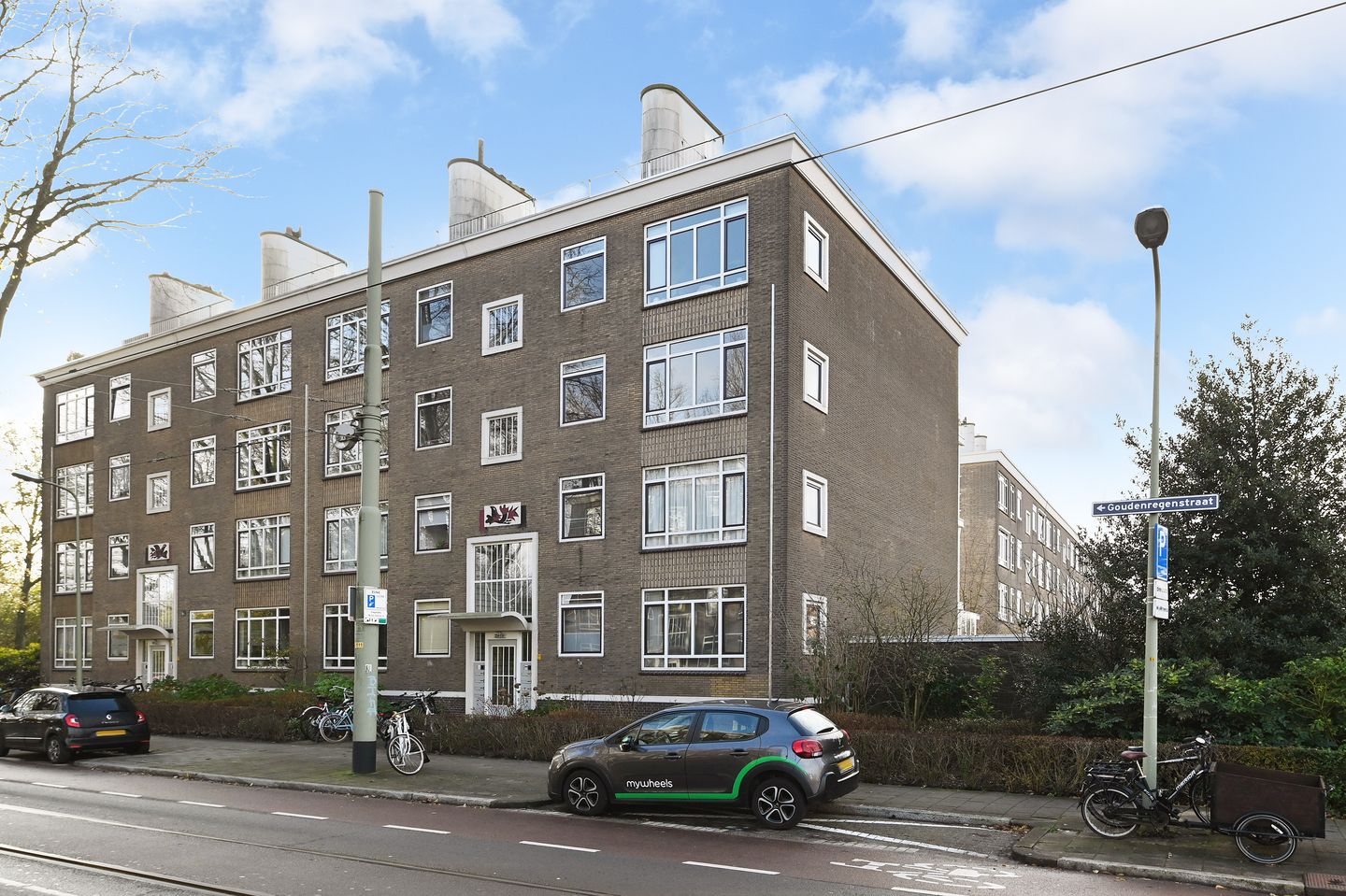 Apartment
€375,000
Den Haag
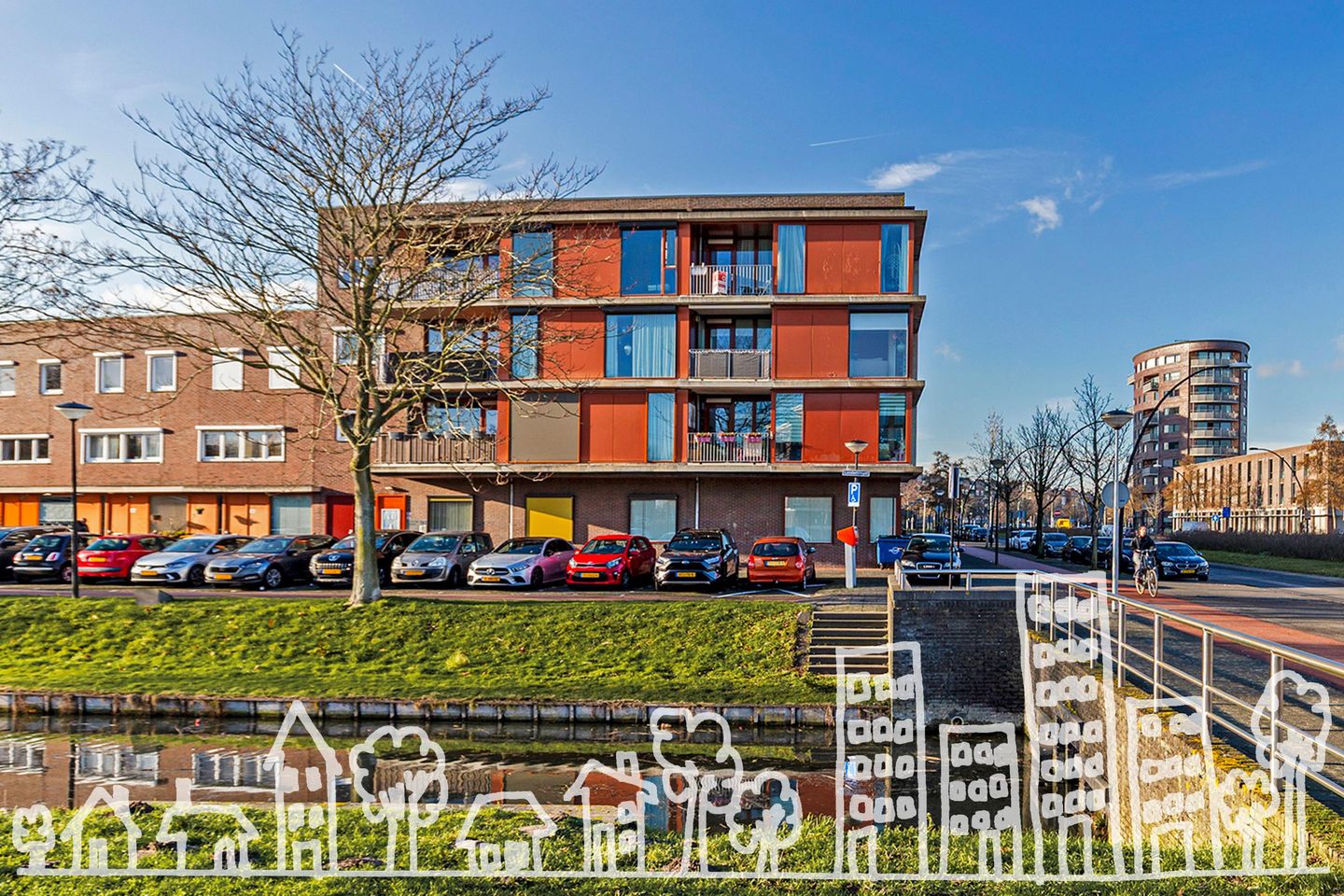 Apartment
€435,000
Den Haag
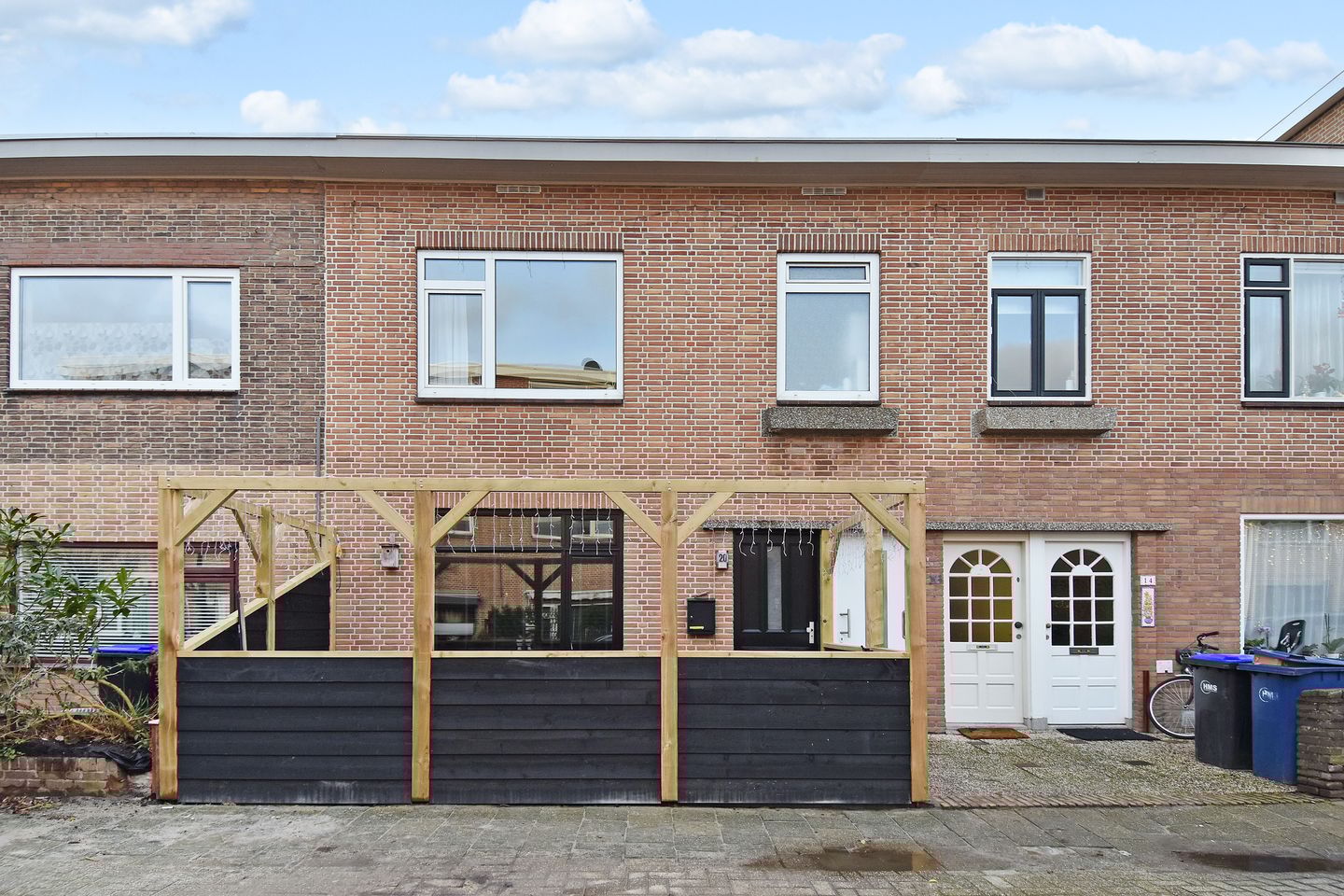 Apartment
€375,000
Den Haag
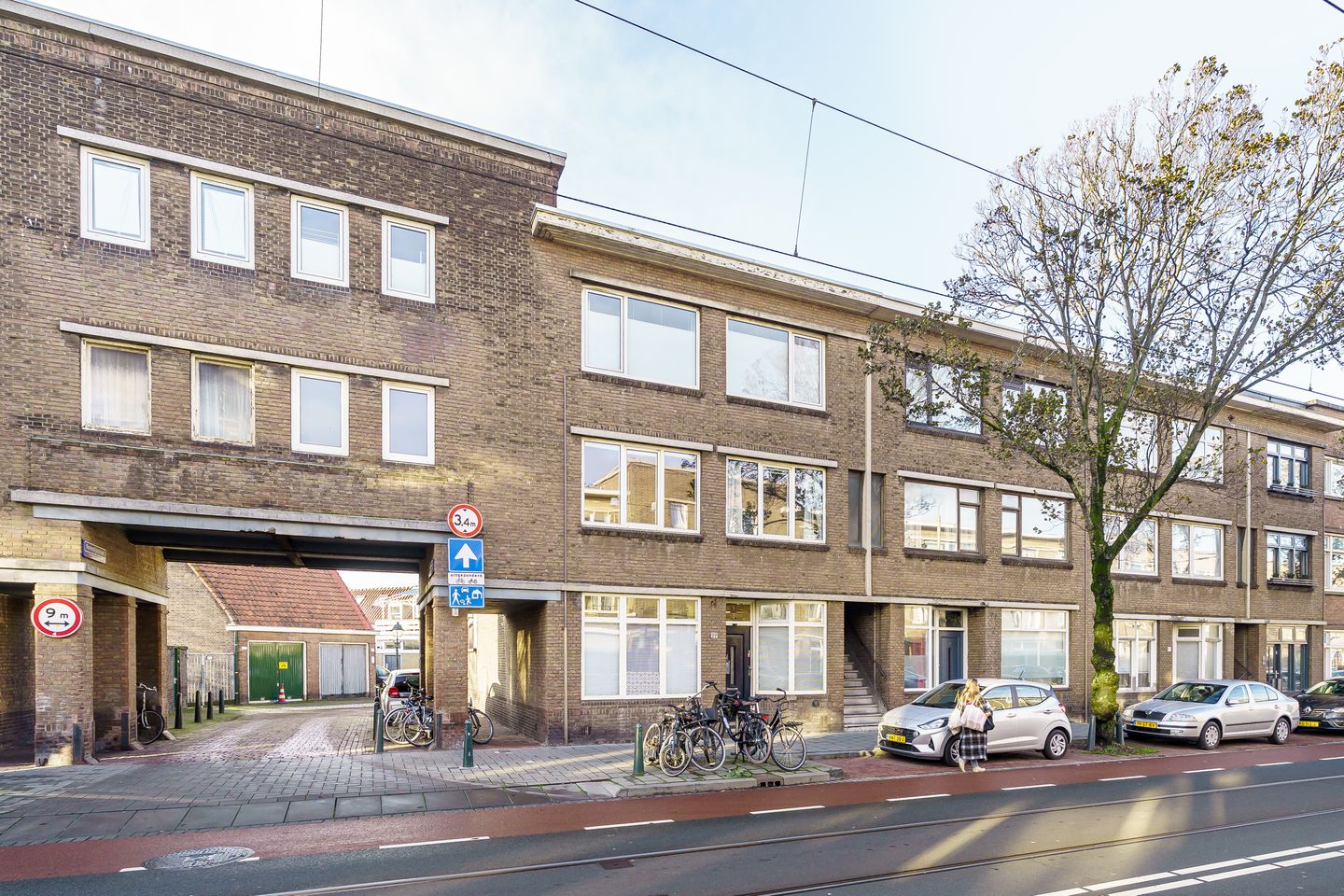 Apartment
€350,000
Den Haag
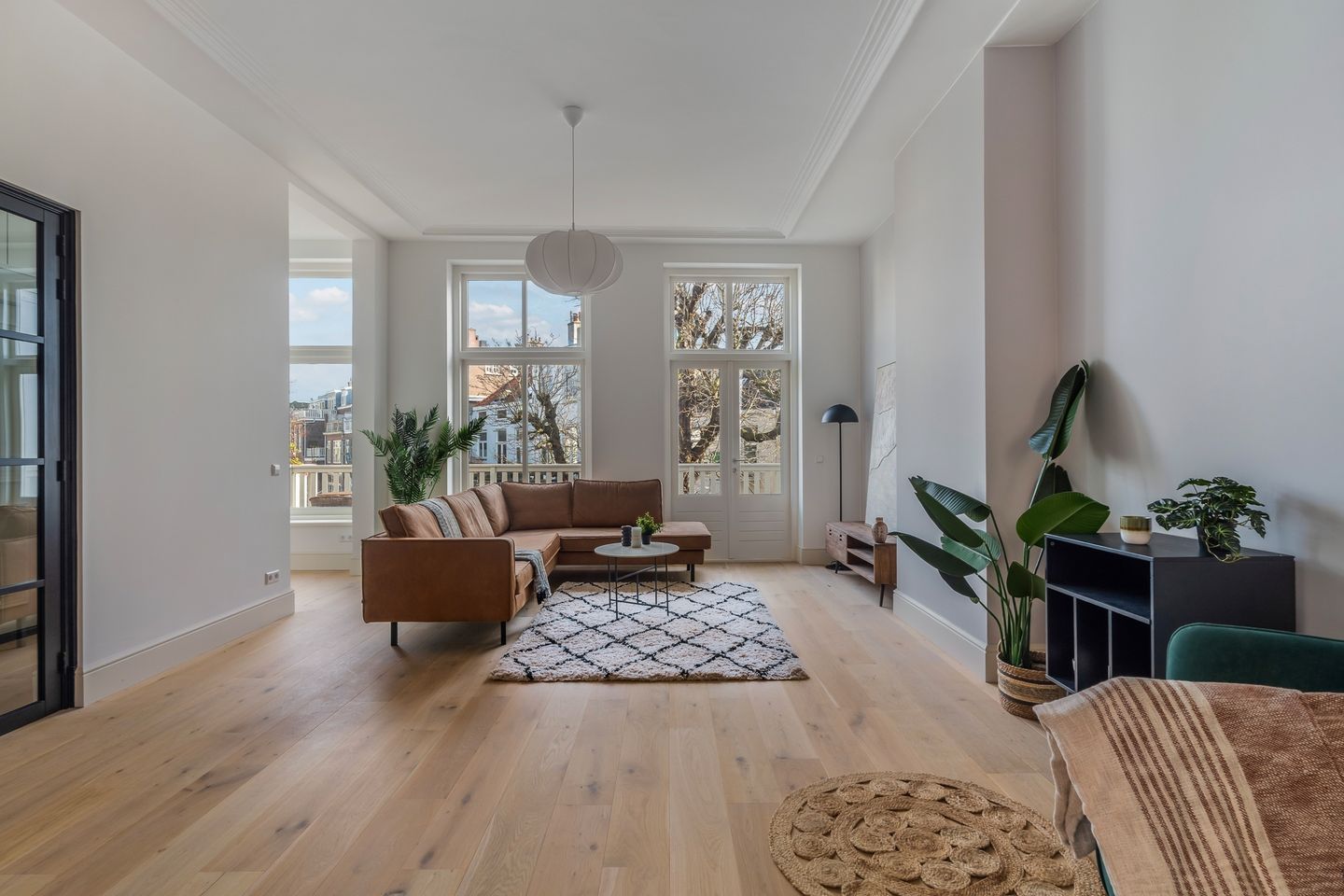 Apartment
€995,000
Den Haag
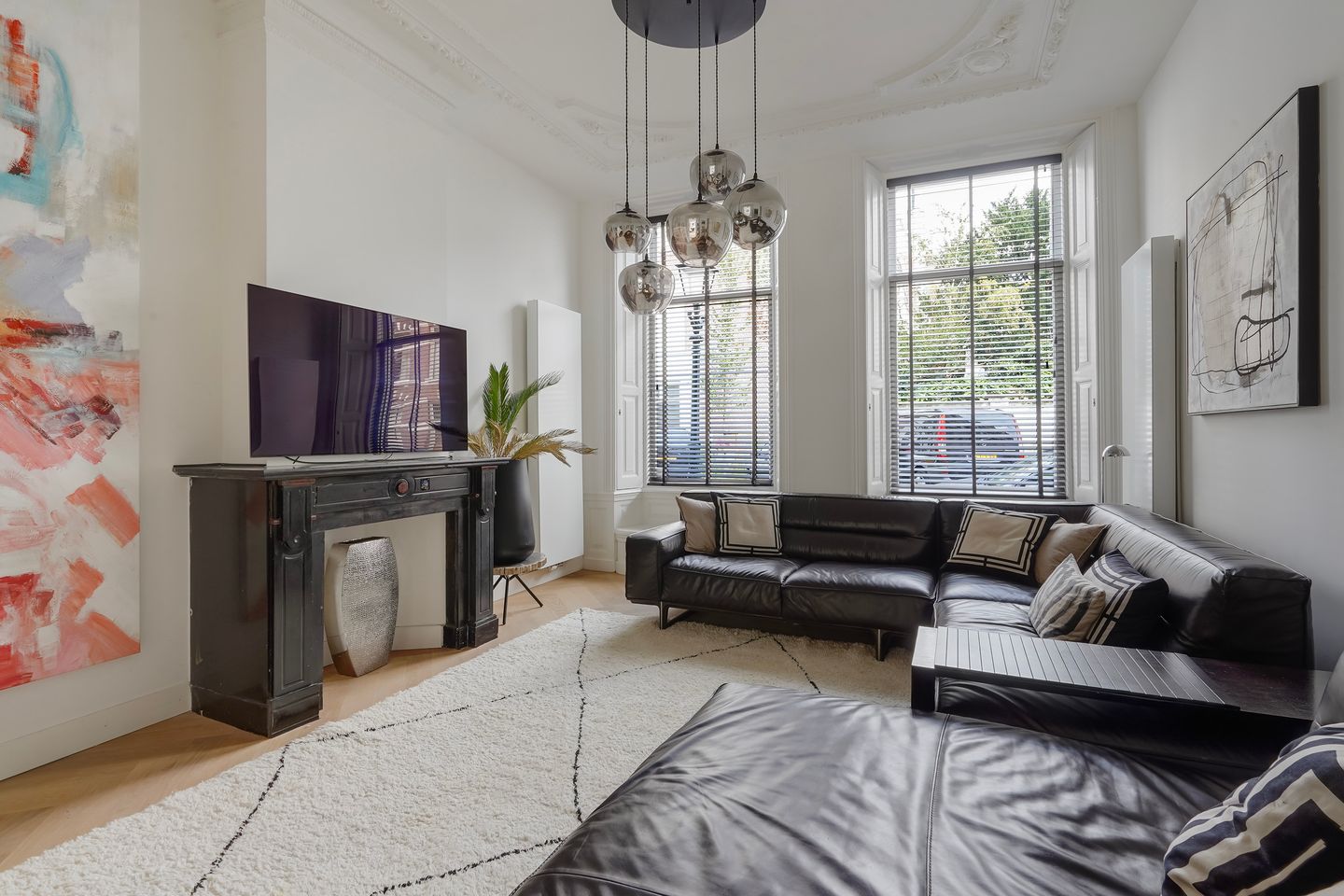 House
House€1,500,000
Den Haag
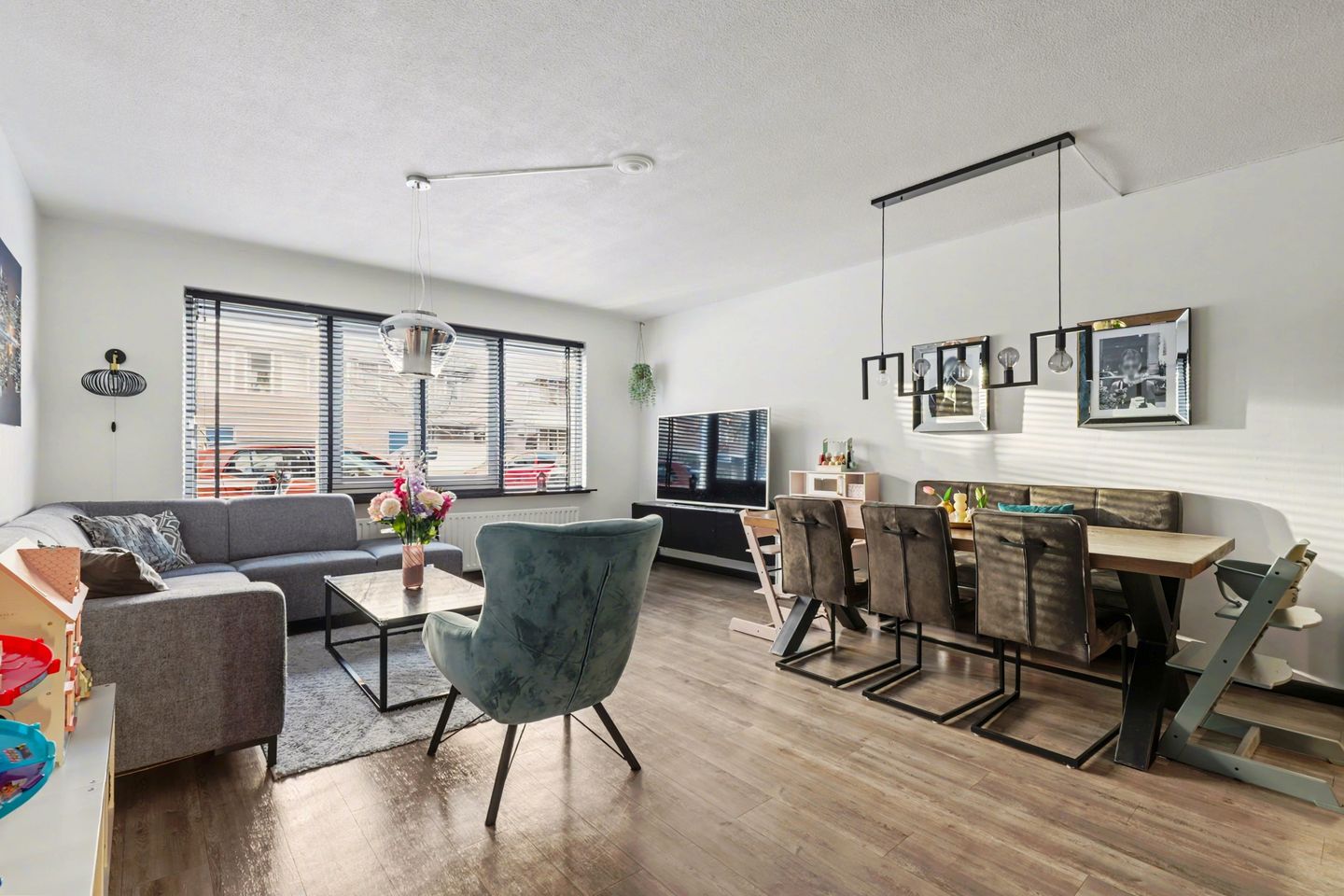 Apartment
€325,000
Den Haag
Buyer's guide: The Hague
The Hague is the seat of Dutch government and an international legal city, home to the International Court of Justice, and RealEstateAbroad lists 1,771 properties for sale there. The median asking price is €429,250, or €4,734 per m², well below Amsterdam. Houses lead the market, which is unusual for a Dutch city, and foreigners can buy freely.
Asking prices from current listings in euros.
| Measure | The Hague |
|---|---|
| Listings | 1,771 |
| Median asking price | €429,250 |
| 25th to 75th percentile | €325,000 to €599,000 |
| Median per m² | €4,734 |
| Median size | 91 m² |
Houses number 1,252 against 510 apartments, with 9 villas and 1 plot. Two-bedroom homes are the most common (570), followed by three-bedroom (365), four-bedroom (218), five-plus (170) and one-bedroom (169). The typical Dutch tussenwoning is a terraced house on three storeys, and the median size of 91 m² reflects that narrow format.
Flats are concentrated in the city centre, near the Hague Central station and along the coast at Scheveningen. See Dutch houses and apartments for broader listings.
Statenkwartier and Duinoord are elegant neighbourhoods with large early twentieth-century houses near the dunes. Scheveningen is the seaside district with a pier, beach clubs and a harbour, and a mix of old fishing streets and new apartment towers. Benoordenhout and Bezuidenhout are known for green avenues and stately buildings; Bezuidenhout also has modern towers near the station. Loosduinen and Kijkduin offer family housing close to dunes and the beach. The Hague is also a diplomatic city, with a strong expatriate community and international schools.
Trams and trains link the city to Rotterdam, Delft, Leiden and Amsterdam. Schiphol airport is about 30 minutes away by train.
Foreigners face no legal restrictions on buying property. A typical purchase involves making an offer through a purchase broker (aankoopmakelaar), signing a contract, a three-day cooling-off period, and a notary-led transfer around six to twelve weeks later. Buyers pay 2% transfer tax for owner-occupiers (10.4% for investors on residential property), a notary fee and registration costs. Always order a structural survey (bouwkundig keuring), as foundations (funderingen) on wooden piles can be an issue in some districts.
Check the owners' association (VvE) finances for apartments. Mortgage lenders accept non-Dutch residents with a local income, and non-residents have fewer options. Our Netherlands buying guide, Dutch mortgage page and Netherlands analysis provide more.
Dutch homes are sold with a strong emphasis on energy labels and maintenance records. Ask for the energy certificate, and check whether the house has cavity wall insulation, double glazing and a modern boiler or heat pump. Mortgage interest relief is available for owner-occupiers on a primary home, but only for residents who pay Dutch tax. Banks usually require a deposit of at least some per cent plus costs, and non-residents face more limited options.
On the rental side, rules for mid-market rents introduced in recent years affect investor yields and landlords' plans. The Hague has a large expatriate rental market for diplomats and international organisation staff, but you should check the rules on rent increases and licensing before buying a flat to let. Many Dutch municipalities also cap or restrict renting out newly purchased homes.
Compare Amsterdam, Rotterdam, Utrecht, Haarlem, Eindhoven and Almere. Amsterdam is considerably more expensive. The Netherlands hub lists more, and our valuation tool checks asking prices.
Last updated 8 October 2026
Yes, there are no restrictions based on nationality. You will need a notary and, for most buyers, a Dutch bank account.
Yes, generally. The median asking price of €429,250 and €4,734 per m² compare favourably.
It applies to residential property bought by investors who will not live in it. Owner-occupiers pay 2%. Check current rates.
The owners' association for an apartment building. Review its finances and maintenance plan before buying.
It combines beach life, restaurants and tram access, but summer crowds and parking are drawbacks.
Yes, a civil-law notary handles the transfer, checks the land registry and collects the transfer tax. Both parties usually use the same notary, chosen by the buyer.