
 House
¥17,500,000
Sapporo
2 bd 1 ba 84 m²

249 homes and apartments for sale in Sapporo, Japan.
Photo: Dylan Marcs / Unsplash
24 properties shown
House¥17,500,000
Sapporo
 House
¥425,000,000
Sapporo
 Apartment
¥48,000,000
Sapporo
 Apartment
¥150,000,000
Sapporo
 House
¥69,800,000
Sapporo
 House
¥17,000,000
Sapporo
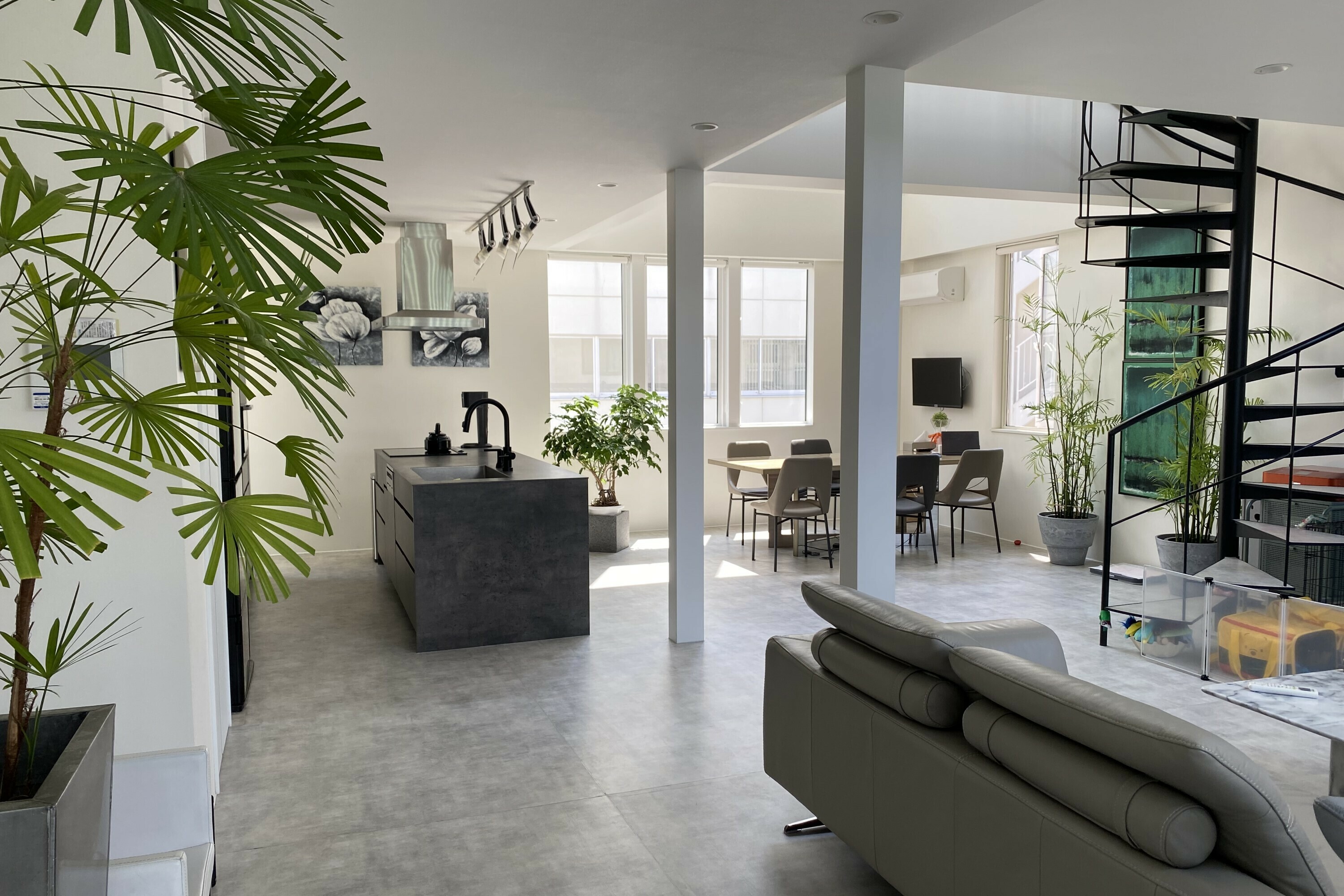 House
¥280,000,000
Sapporo
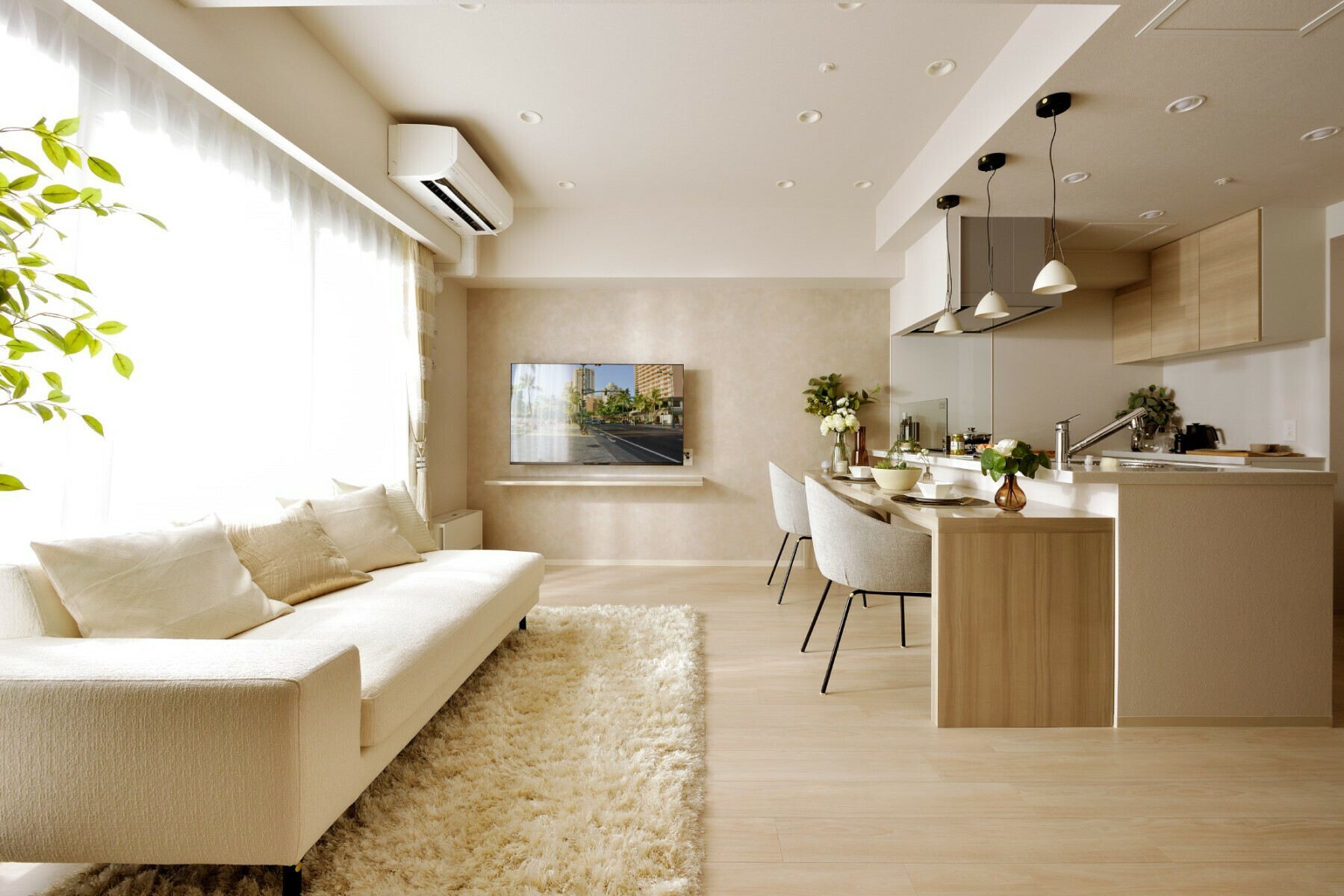 Apartment
¥51,580,000
Sapporo
 Apartment
¥61,400,000
Sapporo
 Apartment
¥74,800,000
Sapporo
 Apartment
¥96,900,000
Sapporo
 House
¥135,000,000
Sapporo
 House
¥120,000,000
Sapporo
 House
¥57,800,000
Sapporo
 Apartment
¥79,800,000
Sapporo
 House
¥62,990,000
Sapporo

¥270,000,000
Sapporo
 Apartment
¥99,800,000
Sapporo
 House
¥10,500,000
Sapporo
 Apartment
¥68,000,000
Sapporo
 House
¥79,800,000
Sapporo
 Apartment
¥68,900,000
Sapporo
 House
¥116,800,000
Sapporo

¥179,800,000
Sapporo
Buyer's guide: Sapporo
Property for sale in Sapporo is open to foreign buyers on the same terms as Japanese citizens. Our 224 listings have a median asking price of €211,805, and the city is Hokkaido's capital and a gateway to nearby ski areas.
Prices are converted from yen and are asking prices from current listings on RealEstateAbroad.
| Measure | Sapporo |
|---|---|
| Median asking price | €211,805 |
| P25 to p75 | €124,202 to €406,665 |
| Median price per m² | €1,842 |
| Median size | 98 m² |
| Listings | 224 |
Apartments account for 105 listings, houses for 58, commercial for 9 and land for 2. Three-bedroom homes are most common (77), followed by 40 four-bedroom, 36 two-bedroom, 13 with five or more and 5 one-bedroom. Japanese listings are described as 2LDK or 3LDK, which count living rooms as well, so check floor plans rather than relying on the bedroom field.
Compare with apartments in Japan and houses in Japan for national patterns.
| Type | Listings |
|---|---|
| Apartment | 105 |
| House | 58 |
| Commercial | 9 |
| Land | 2 |
Sapporo is Japan's fifth-largest city, known for its grid layout, Odori Park, the Susukino entertainment district, the beer heritage of Sapporo Brewery and the February Snow Festival. It has a subway network of three lines and a tram, and New Chitose Airport is around 40 minutes by rail. Winters are long and snowy, so buildings use double glazing, strong insulation and often underfloor heating.
Central wards such as Chuo and Kita have most apartments, while Toyohira and Minami contain larger homes and access to hot springs at Jozankei. For skiing and international rentals, buyers often look north-west to Niseko and Hirafu. Sapporo also attracts remote workers and investors seeking lower prices than Tokyo, Osaka or Fukuoka.
Sapporo combines big-city amenities with prices well below Tokyo, but winters are demanding.
Hokkaido has seen rising interest from international investors, especially around Niseko, and also from firms building semiconductor facilities near Chitose and Tomakomai, which may support demand for housing in the wider Sapporo region. Population decline in rural Hokkaido is a counterpoint, and Sapporo is the one city that continues to attract residents from smaller towns. Make your own assessment and avoid assuming past growth will continue.
Central Sapporo is full of reinforced-concrete condominiums called mansions, usually bought as individual flats with a monthly management fee and a repair reserve fund. Check the reserve fund balance and the long-term repair plan, because low reserves can lead to special levies. Older mansions can have good value, but the building's age and seismic standard matter, and 1981 is a key year when stricter building codes took effect.
Detached houses are common in outer wards and the suburbs of Kitahiroshima and Ebetsu. Many come with parking for two cars and a garden, which suits families, but heating costs, snow clearing and a car are all part of the deal. Land in Japan is owned freehold, so you own the plot outright, unlike in many Asian markets.
There is no residency or nationality requirement to buy property in Japan. Foreign buyers deal with a licensed agent (fudosan), sign a purchase contract with a deposit of about 5% to 10%, and settle at a registry office with a judicial scrivener. Mortgages for non-residents are hard to obtain, so cash is typical.
Approximate costs (verify locally): agent commission up to 3% plus ¥60,000 plus consumption tax, real estate acquisition tax of 3% to 4% on assessed value, registration licence tax and stamp duty. Annual fixed asset tax is generally around 1.4% of assessed value. Older detached houses lose value but may offer land at low prices. Read our Japan consultation guide, the Japan financing page and the Japan overview. Check earthquake standards: buildings built before 1981 follow older codes.
Last updated 8 October 2026
Yes. Japan imposes no nationality or residency restrictions on property ownership, though buying does not give you a visa.
Heavy snow and temperatures well below zero are normal. Check insulation, heating type and snow removal arrangements.
Central wards near subway stations tend to have stronger rental demand. Rental yields depend on building age and size.
Some banks offer loans to foreign residents with Japanese income. Non-residents generally need cash.
Japan is seismically active, and newer buildings follow stricter codes. Check the year of construction.
Owners pay monthly management and repair-reserve fees, which can be significant in older buildings. Ask for the meeting minutes and repair plan.