
 Apartment
Price on request
Gaziantep

35 homes, apartments and plots from local agents and developers.
Listings link to the original agent or portal, where you can contact the seller directly.
18 properties shown
ApartmentPrice on request
Gaziantep
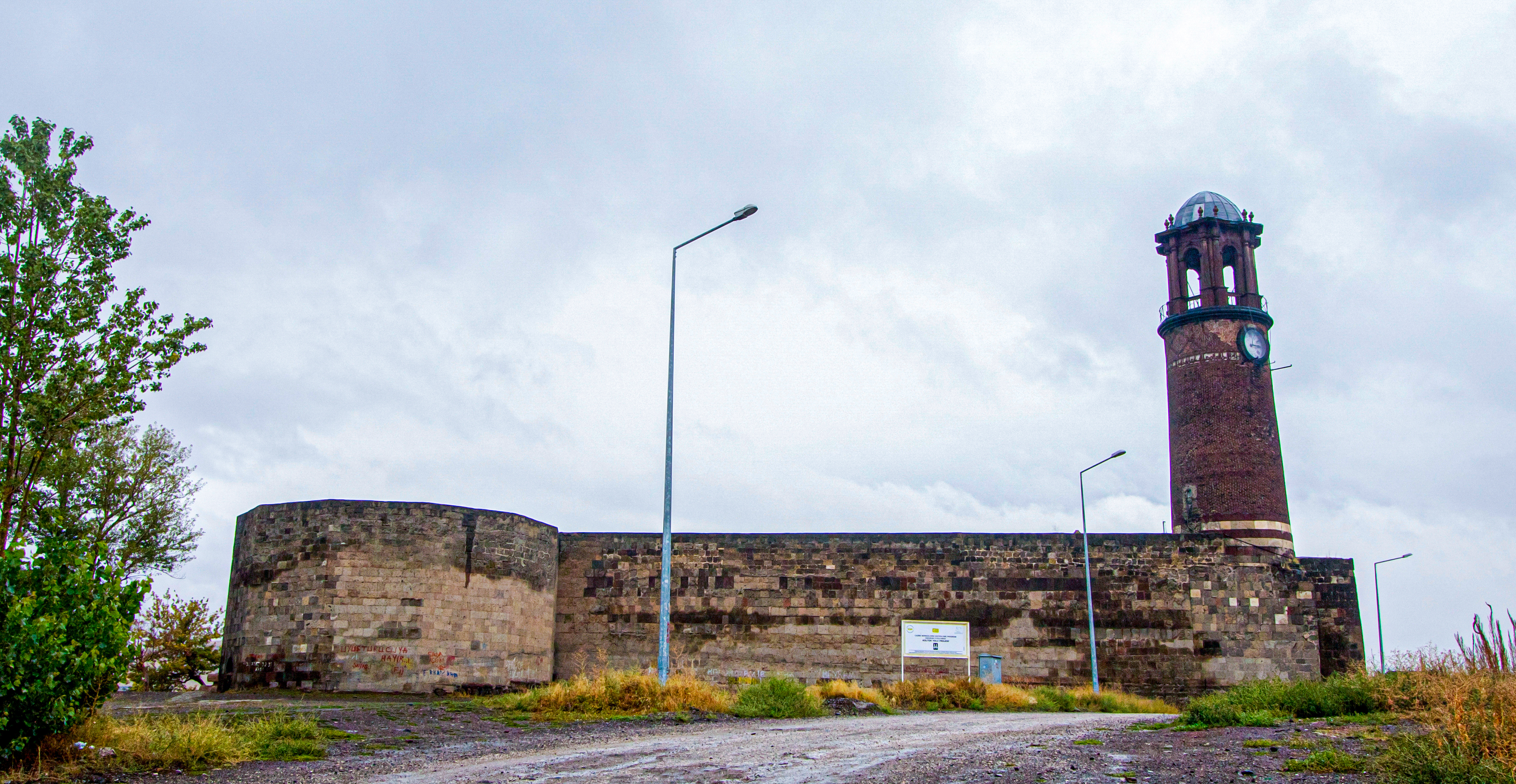 Apartment
TRY 1,645,000
Erzurum
 Apartment
$650,000
Istanbul
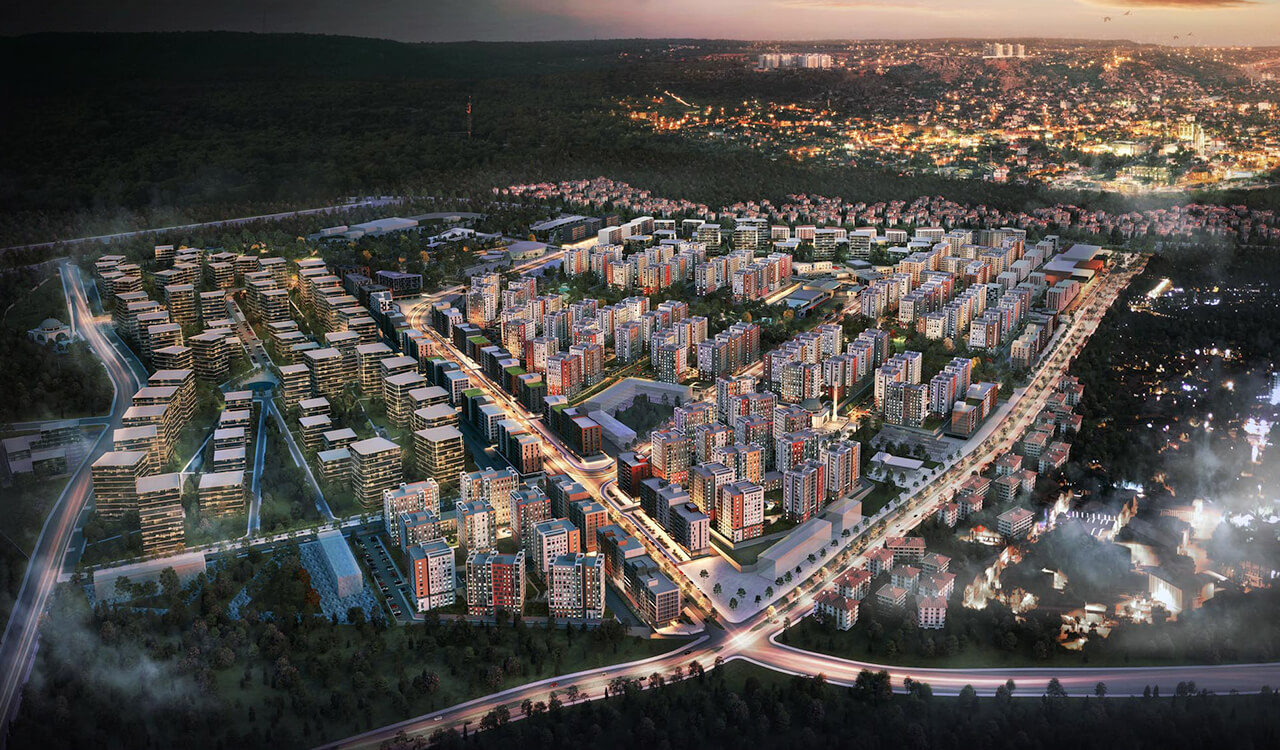 Apartment
$226,000,000
Antalya
 Apartment
Price on request
Bursa
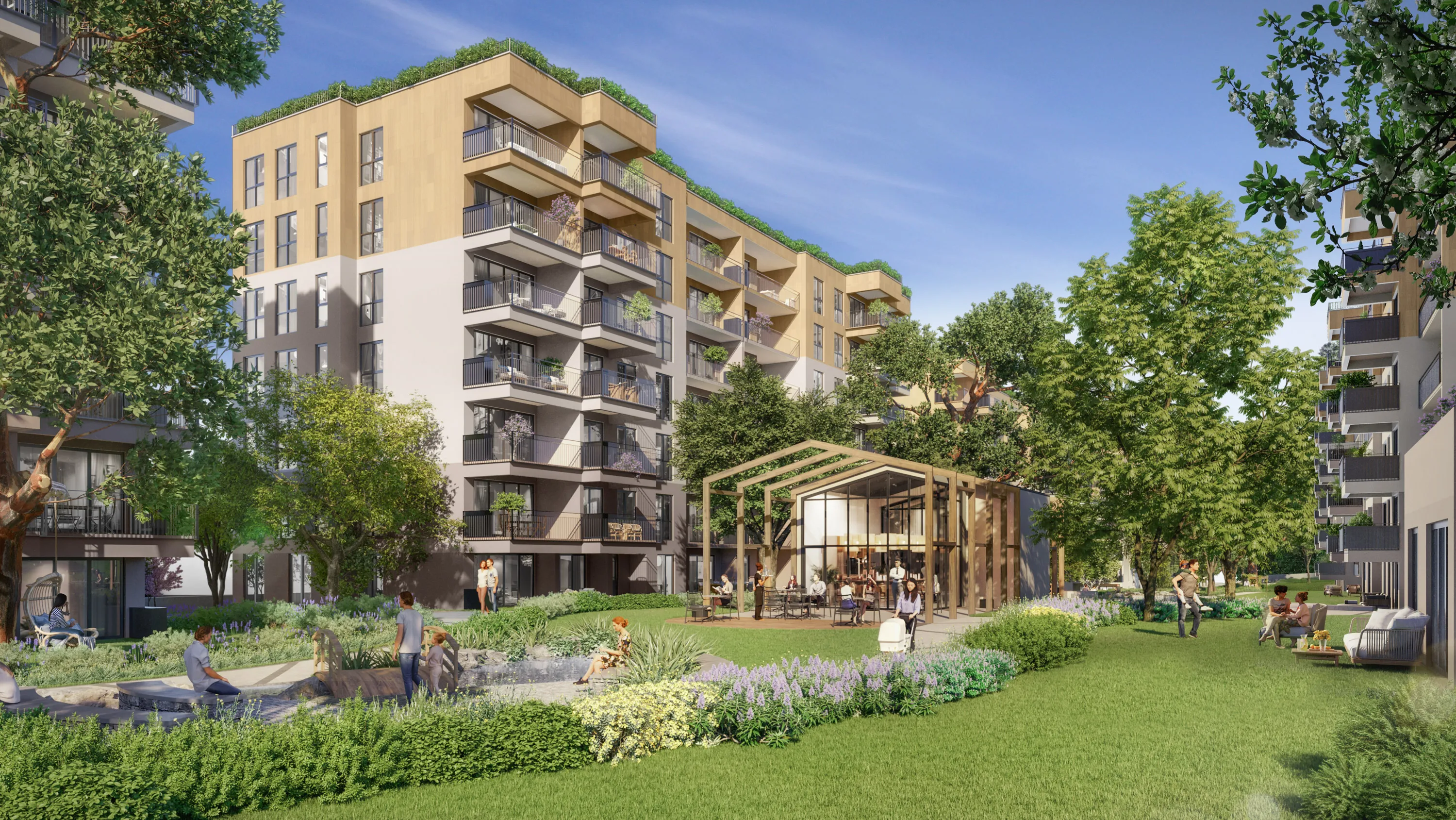 Apartment
$223,000
Istanbul
 Apartment
$500,000
Istanbul
 House
$1,256,000,000
Bodrum
 Apartment
$4,300,000
Istanbul
 Apartment
€95,400
Akseki
 Villa
€922,300
Bodrum
 Apartment
€164,900
Akseki
 Apartment
€204,000
Akseki
 Apartment
€85,700
Antalya
 Villa
€1,700,000
Akseki
Price on request
Istanbul
TRY 17,500,000
Izmir
$531,000
Istanbul
Buyer's guide: Turkey
Property for sale in Turkey is among the most searched in Europe and Asia, and foreigners can buy in most regions. Our current RealEstateAbroad coverage of Turkey is small, so this guide focuses on how the market works, what a purchase costs and which legal checks matter, rather than on price statistics.
At the time of writing, RealEstateAbroad holds only a few dozen current listings in Turkey, including a small number of apartments and villas. That is far too few to publish a reliable price index, so we do not present average prices here. Browse the cheap and under 100k pages for what is currently listed, and use the property valuation tool to compare any asking price with similar homes.
If you need broader market context, the Turkey market analysis covers investor considerations in more depth.
Turkey's property market is broad. Istanbul is the largest city, with apartments ranging from older blocks to luxury high-rises. The Mediterranean and Aegean coasts, including Antalya, Alanya, Bodrum and Fethiye, are the main areas for holiday and retirement buyers. Ankara and Izmir offer large domestic markets. New-build apartment complexes with shared pools and facilities are common, as are villas in resort areas.
Prices are usually advertised in Turkish lira, euros, dollars or pounds, and the lira has weakened significantly in recent years. This means that foreign-currency buyers often see lower prices in their own money, but also that quoted prices can shift quickly. Always confirm the currency and the exchange rate in your contract.
Yes. Foreigners from most countries can buy residential property in Turkey, and the old reciprocity requirement was lifted for most nationalities. Exceptions include military zones and certain security areas, and there are limits on the total land a foreigner may own. Citizens of a small list of countries may face restrictions, so verify yours with a lawyer.
The usual process
Do not rely on a power of attorney signed in a rush. If you use one, make sure it is limited in scope.
The ranges below are approximate and change often. Verify with a local lawyer.
| Cost | Typical range |
|---|---|
| Title deed (tapu) fee | Approx. 4% of declared value, commonly split between buyer and seller |
| VAT on new builds | Approx. 1% to 20% depending on size and type |
| Valuation report | Fixed fee, modest |
| Notary and translator | Fixed fees |
| Agent commission | Approx. 2% to 3% from each side |
| Annual property tax | Approx. 0.1% to 0.3% of assessed value |
| Compulsory earthquake insurance (DASK) | Low annual premium |
In Turkey the title deed and the valuation report protect you: never pay more than a small deposit before you see the tapu.
Turkish banks offer mortgages to foreigners, but approved loan sizes are limited and interest rates have been high in recent years. Most overseas buyers pay cash, use developer instalment plans or borrow against property at home. See our Turkey financing guide and use the mortgage calculator to test scenarios.
Owning property in Turkey can support a short-term residence permit. Separately, Turkey has operated a citizenship-by-investment scheme in which buying real estate above a stated value threshold, currently reported as US$400,000, and holding it for a set period can lead to citizenship. Thresholds and conditions have been revised repeatedly, so confirm them with an official source.
Istanbul suits buyers who want a big-city market with strong rental demand, though prices per square metre vary sharply between the European and Asian sides and between central and suburban districts. Antalya and the Turquoise Coast have the deepest holiday-home market, with many foreign owners and well-developed resale agencies. Bodrum and the Aegean are higher priced and more seasonal. Izmir and the inland cities offer lower prices and a mostly local buyer base.
Whichever region you choose, visit in winter as well as summer, speak to current residents about service charges and noise, and check how far the property is from healthcare and an airport. Browse our countries directory to compare Turkey with other Mediterranean markets.
Advantages
Drawbacks
Read our buying guide for foreigners in Turkey for more detail.
Last updated 8 October 2026
Yes. Foreigners from most countries can buy, although military zones and certain areas are restricted. A lawyer should confirm the rules for your nationality.
The land registry charges approximately 4% of the declared value, normally split between buyer and seller by agreement. Rates can change, so verify before you sign.
Yes. Foreign buyers must obtain an official valuation report before transfer, and the registry may use it to set the declared value.
Turkey has a programme linking real estate purchases above a threshold, reported as US$400,000, to citizenship, with a holding requirement. Rules change, so confirm them with official sources.
Yes, but with limits and high interest rates. Many buyers pay cash. Read our Turkey financing page.
Yes, with proper due diligence. Use an independent lawyer, verify the title deed and permits, and consider building quality and earthquake insurance.