
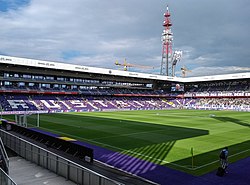
 Apartment
€330,000
Vienna
3 bd 1 ba 44 m²

1,848 homes and apartments for sale in Vienna, Austria.
Photo: Joshi Milestoner / Unsplash
32 properties shown
Apartment€330,000
Vienna
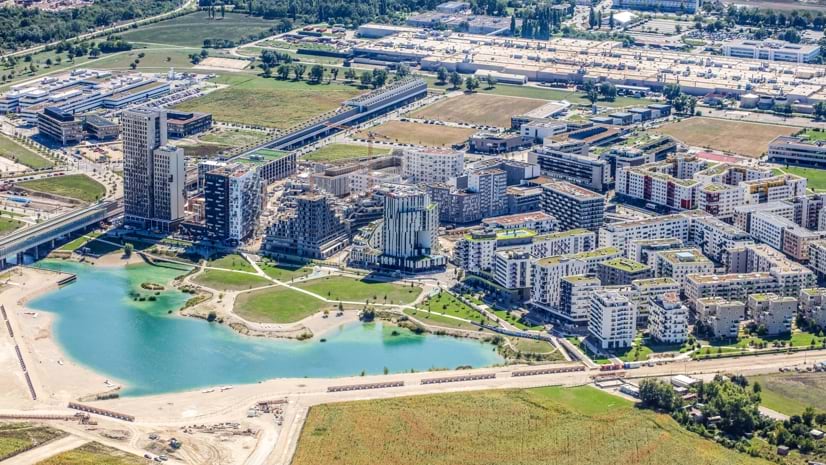 Apartment
Price on request
Vienna
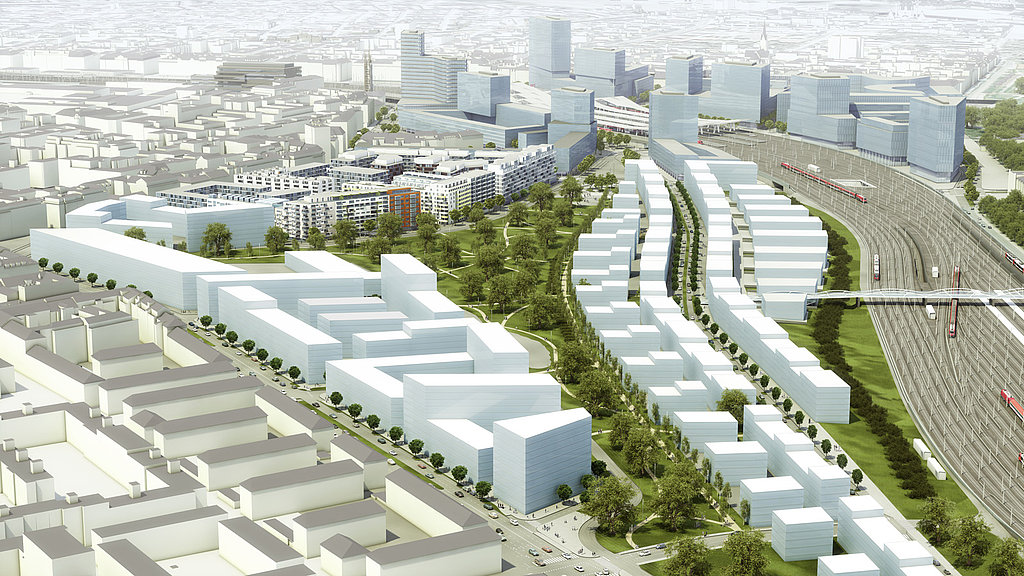 Apartment
Price on request
Vienna
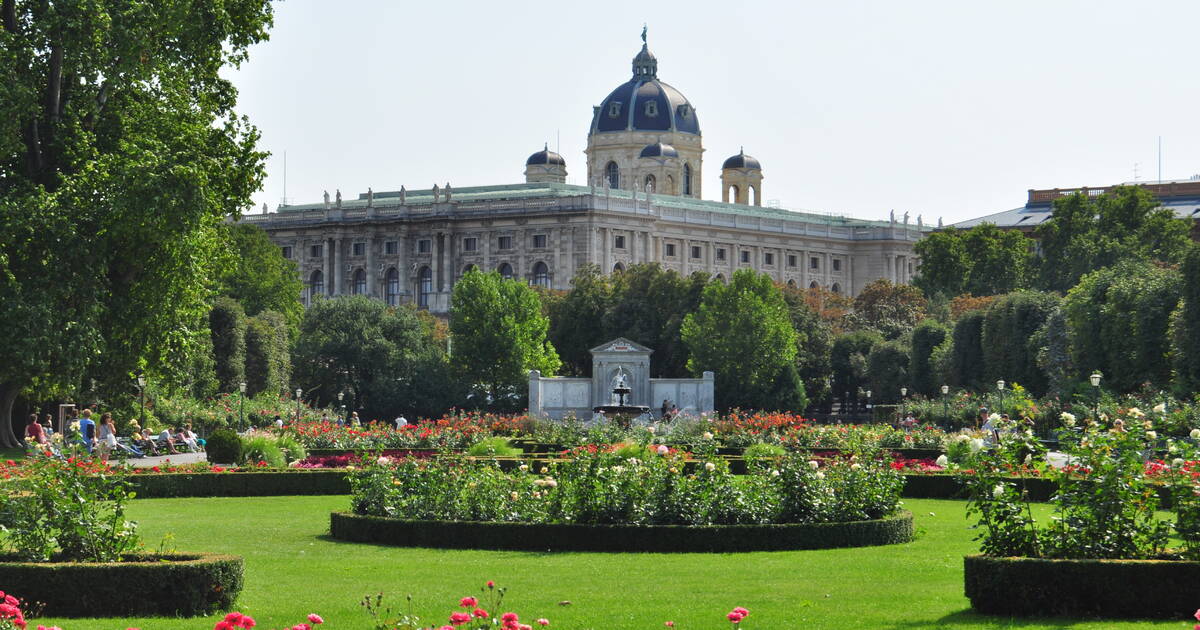 Apartment
€400,000
Vienna
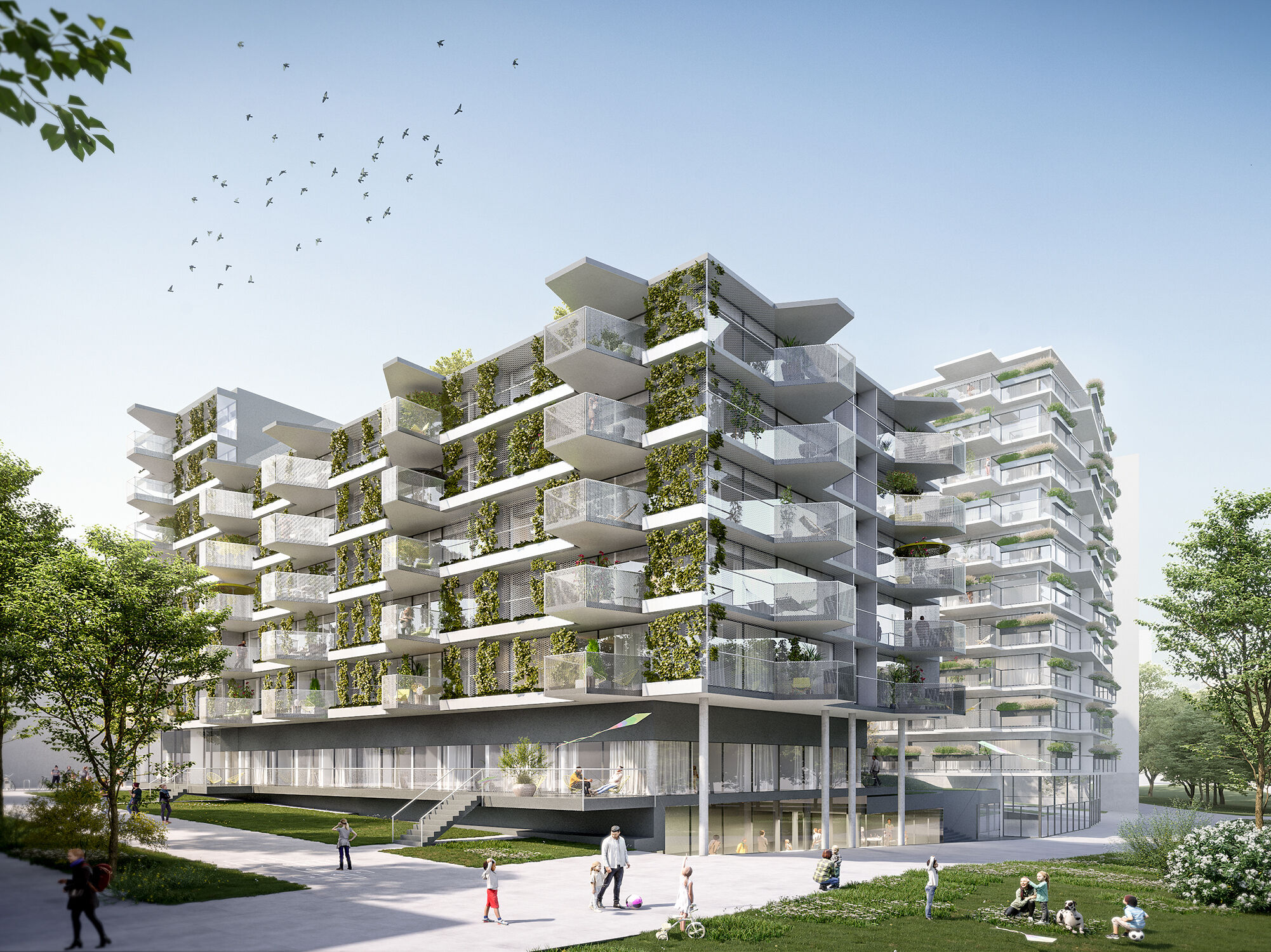 Apartment
€319,000
Vienna
 Apartment
€400,000
Vienna
 Apartment
€300,000
Vienna
 Apartment
Price on request
Vienna
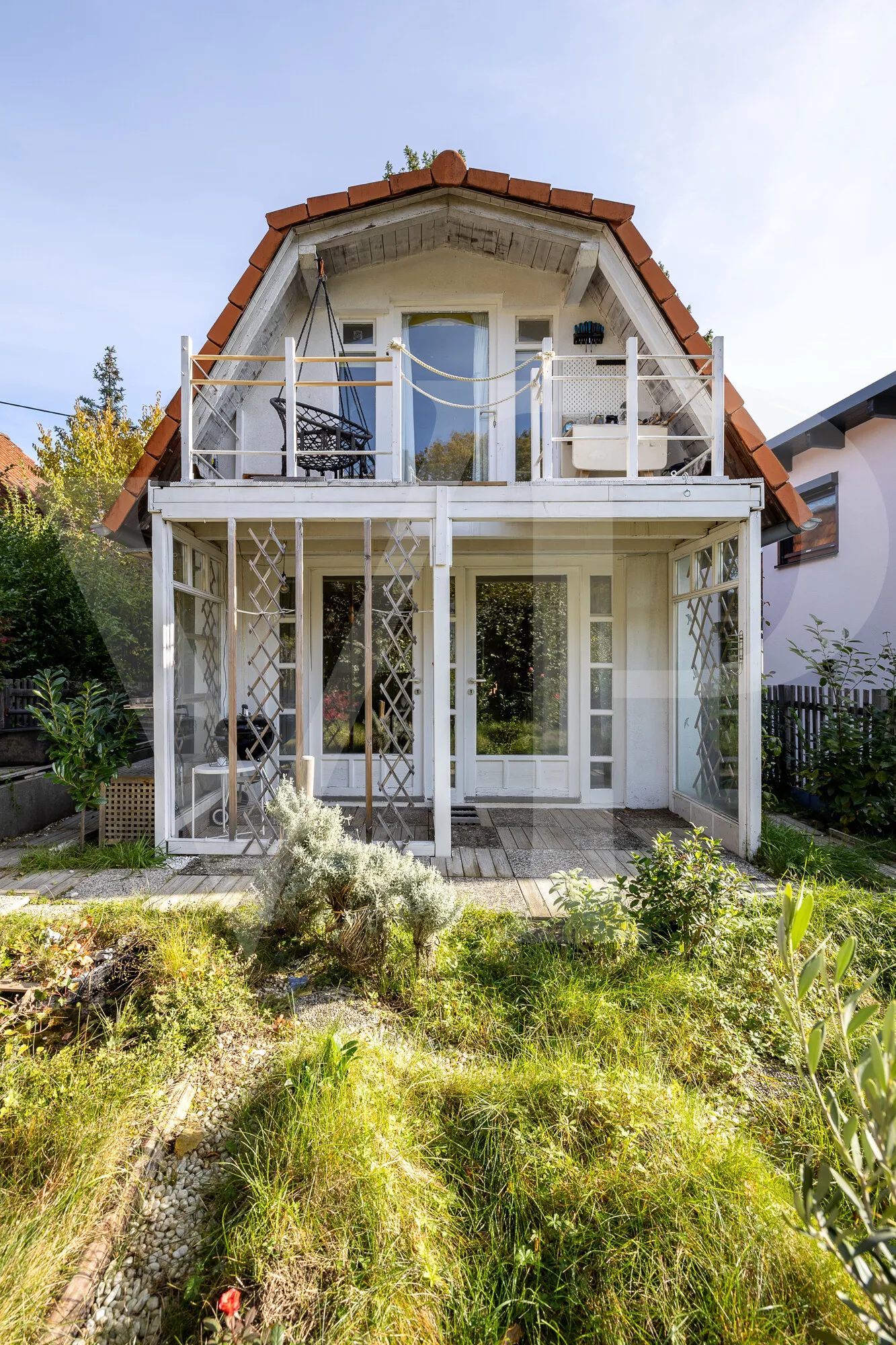 House
€315,000
1130 WIEN, HIETZING (AUT)
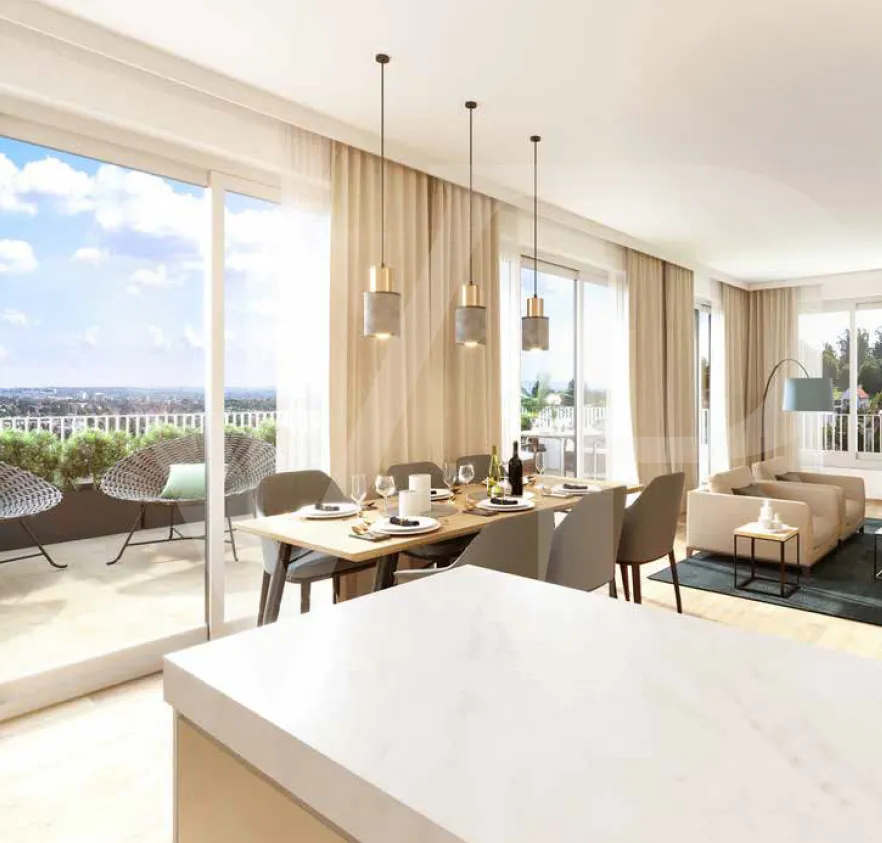 Apartment
€426,500
1130 WIEN (AUT)
 Apartment
€412,500
1130 WIEN (AUT)
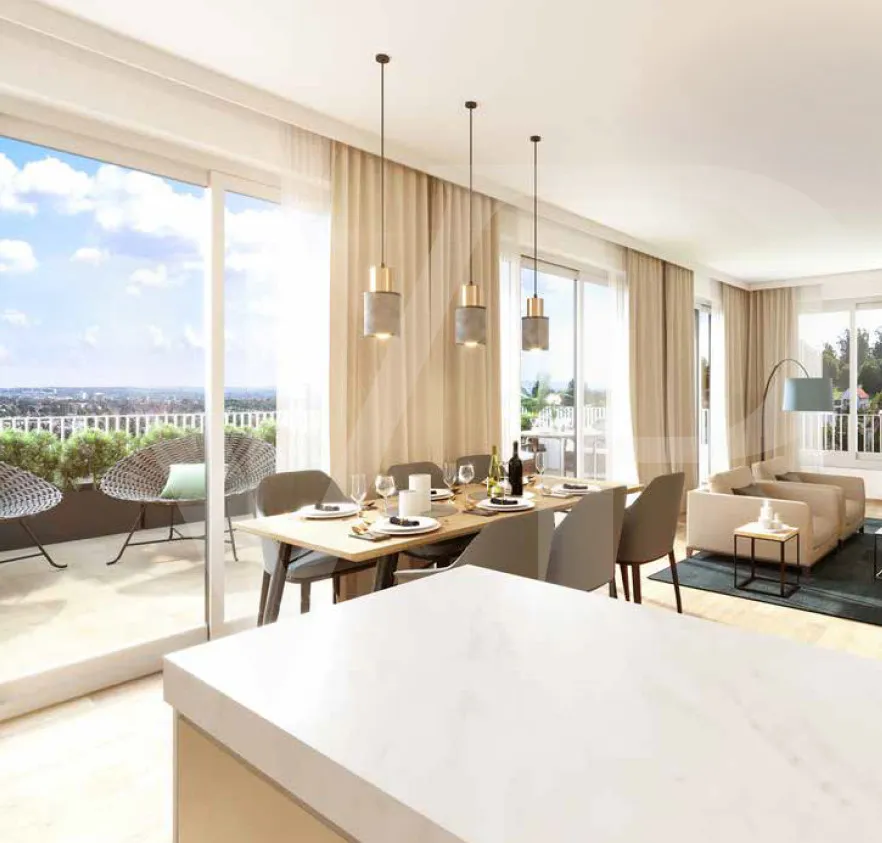 Apartment
€436,000
1130 WIEN (AUT)
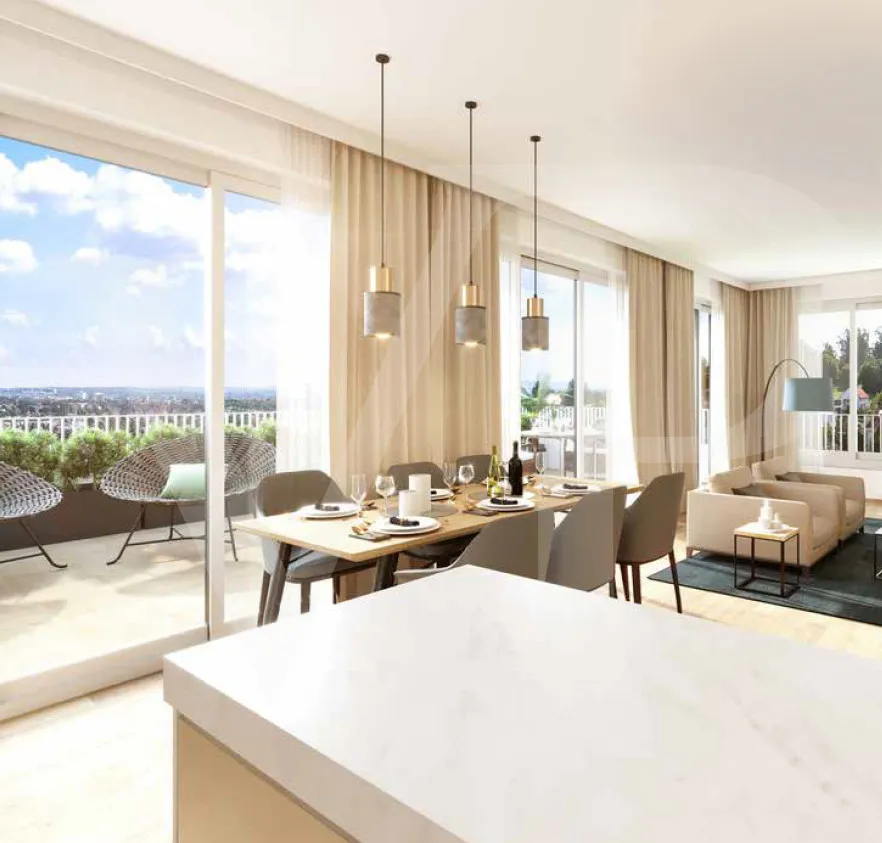 Apartment
€1,322,500
1130 WIEN (AUT)
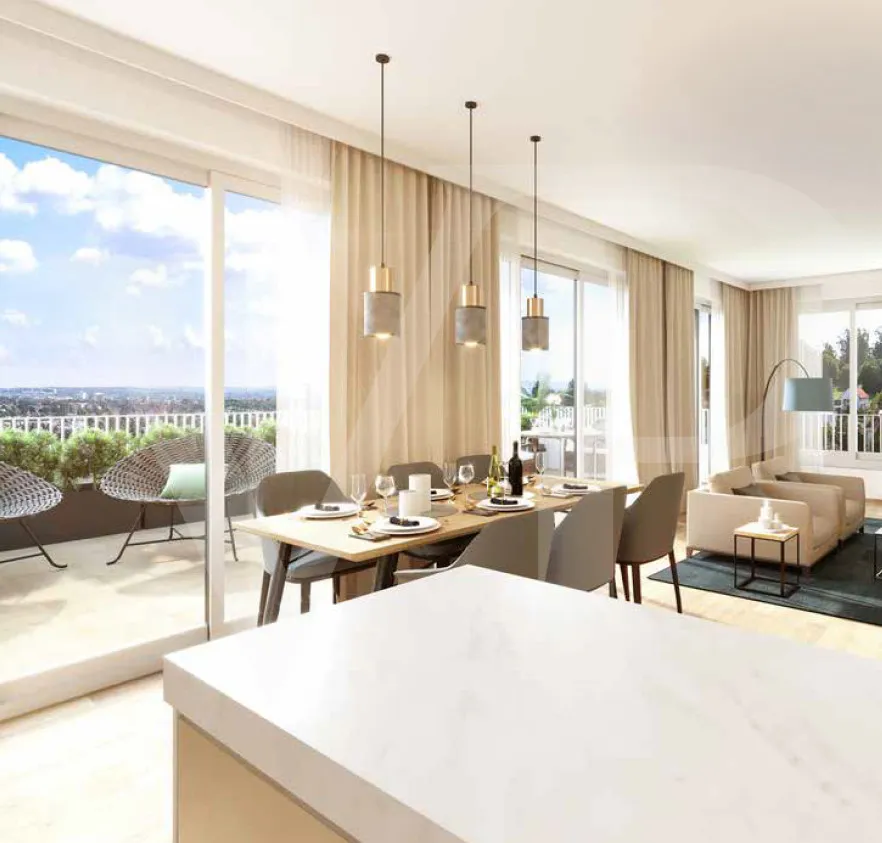 Apartment
€384,000
1130 WIEN (AUT)
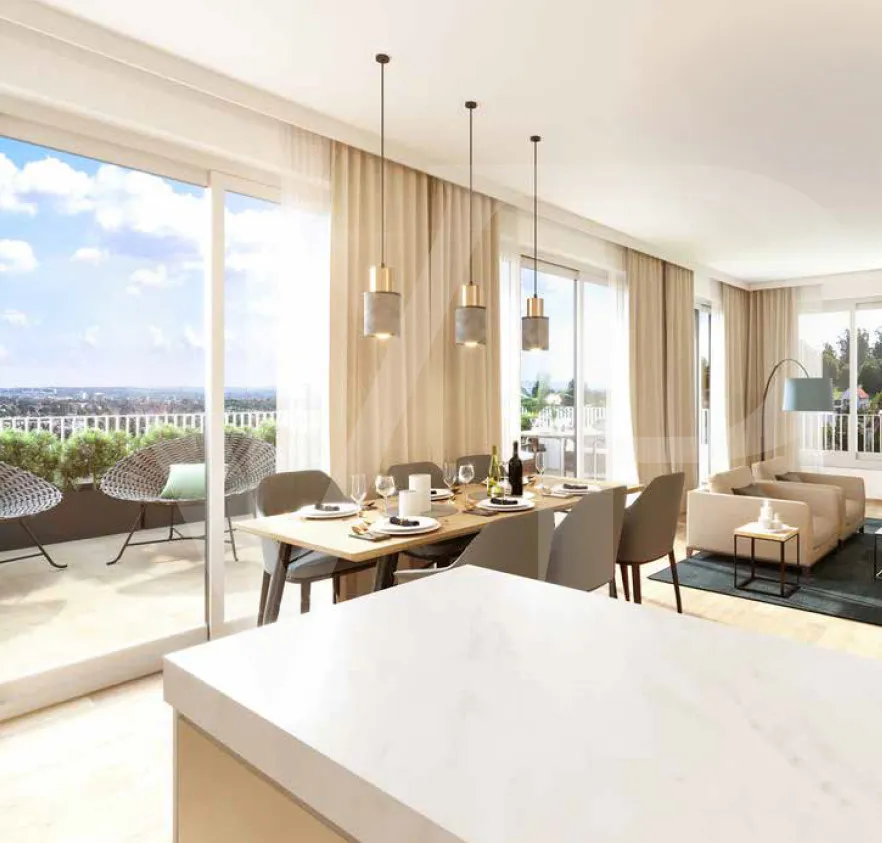 Apartment
€405,500
1130 WIEN (AUT)
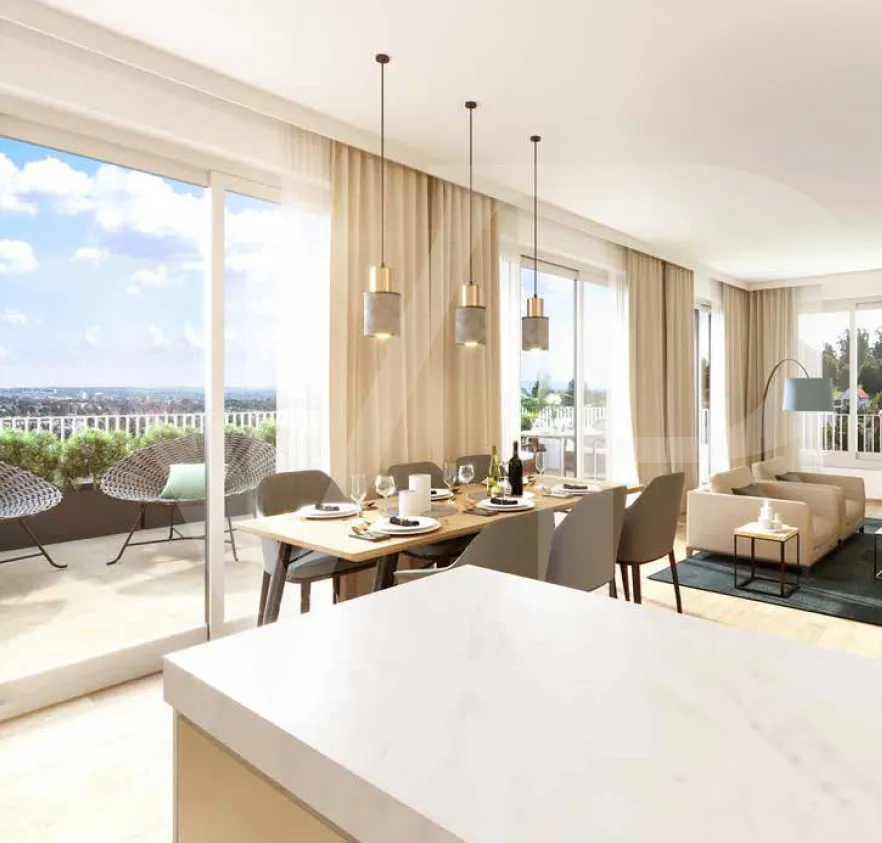 Apartment
€334,000
1130 WIEN (AUT)
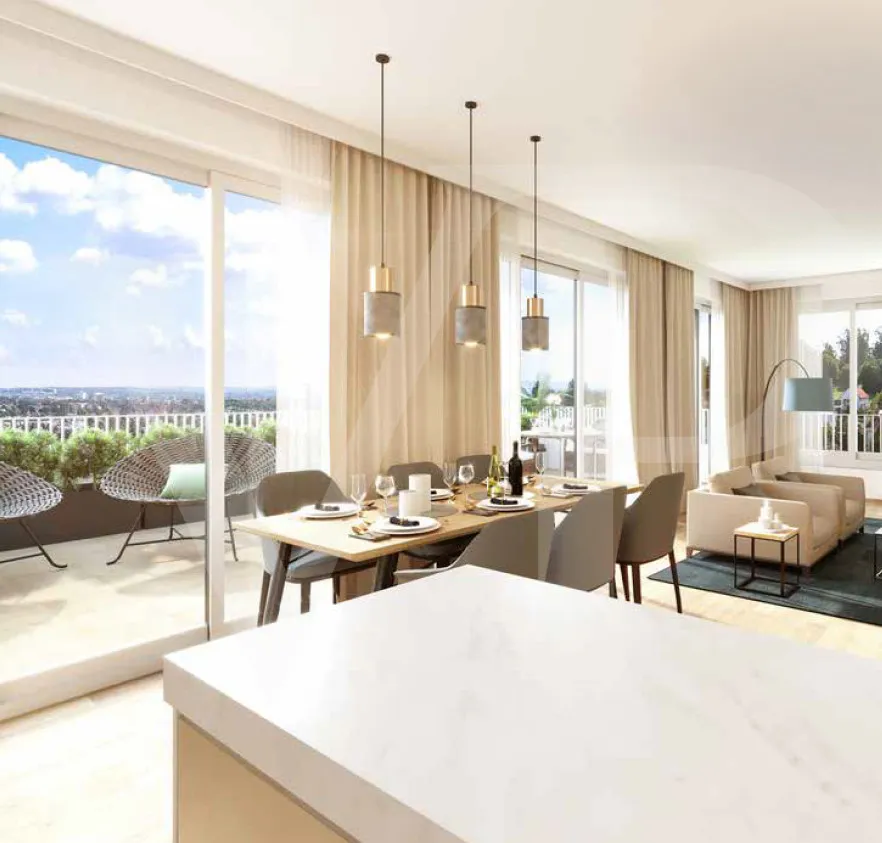 Apartment
€1,285,700
1130 WIEN (AUT)
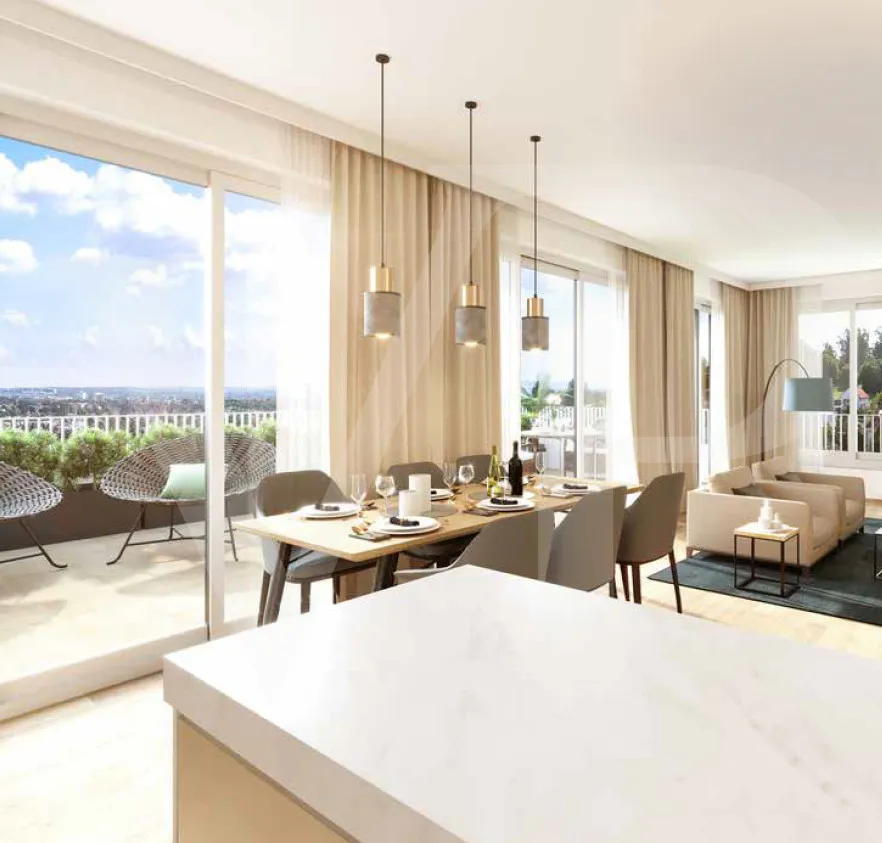 Apartment
€386,000
1130 WIEN (AUT)
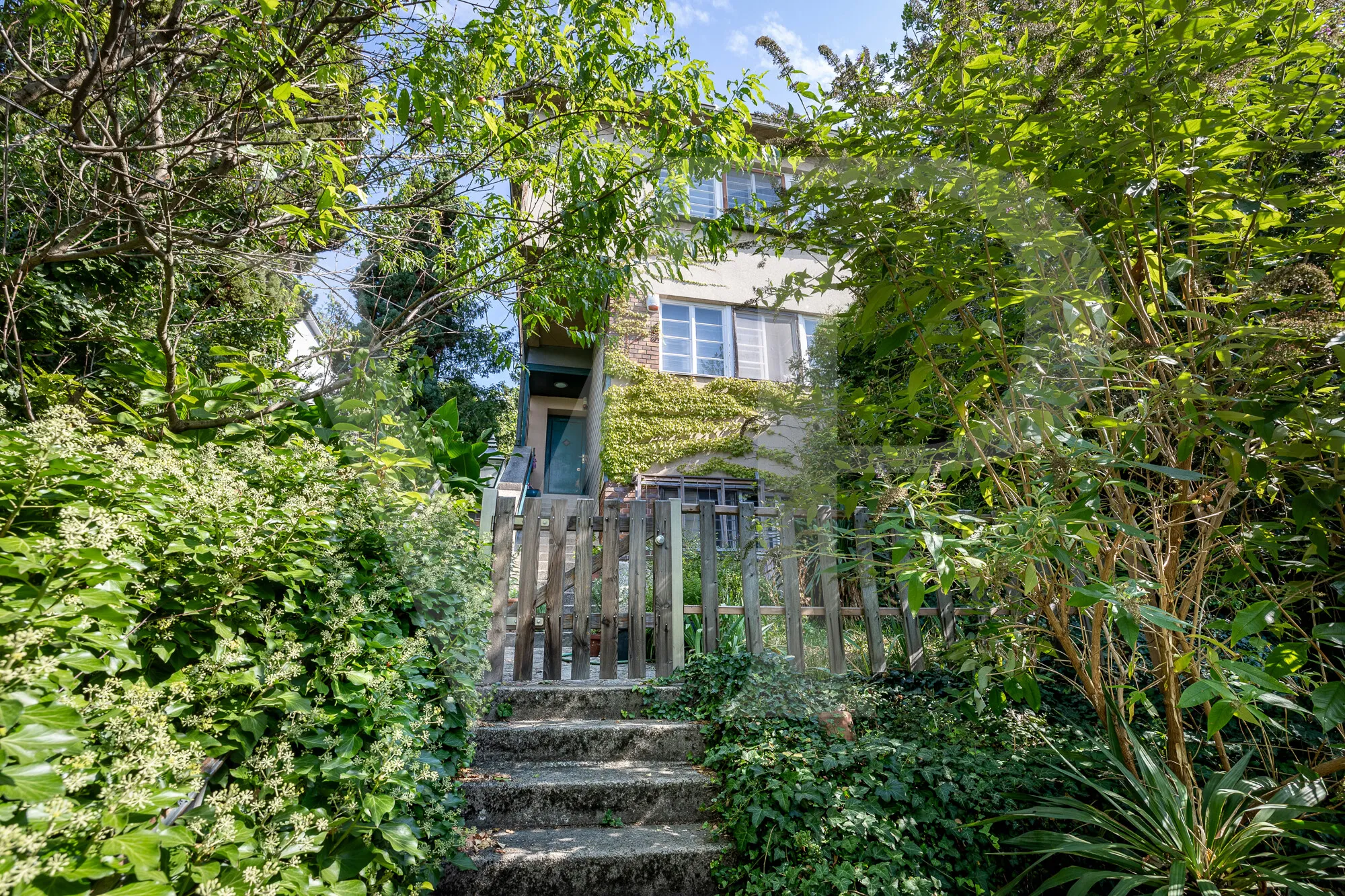 House
€6,900,000
1190 WIEN, DÖBLING (AUT) – WIEN
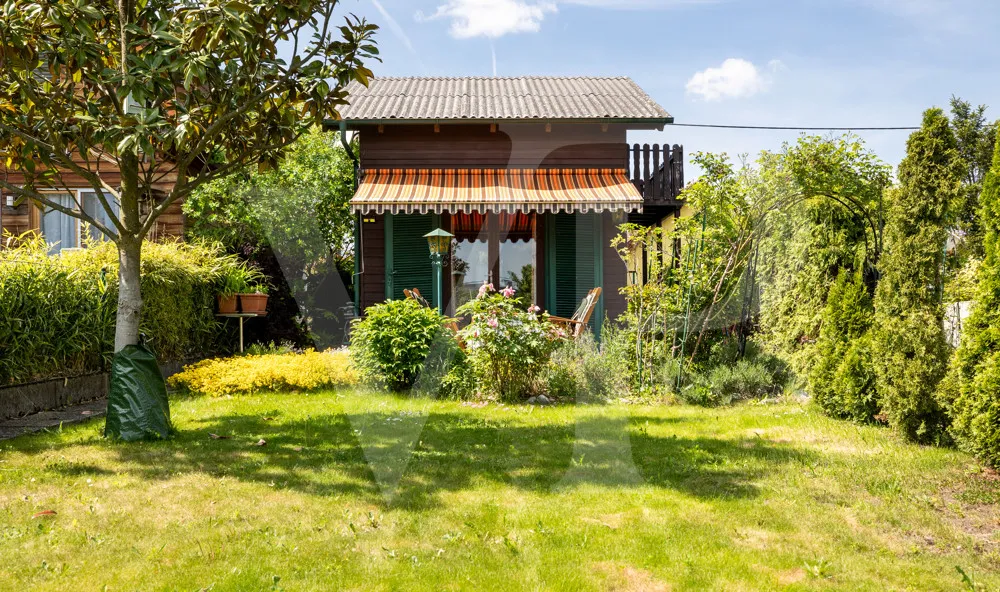 Land plot
€365,000
1190 WIEN (AUT)
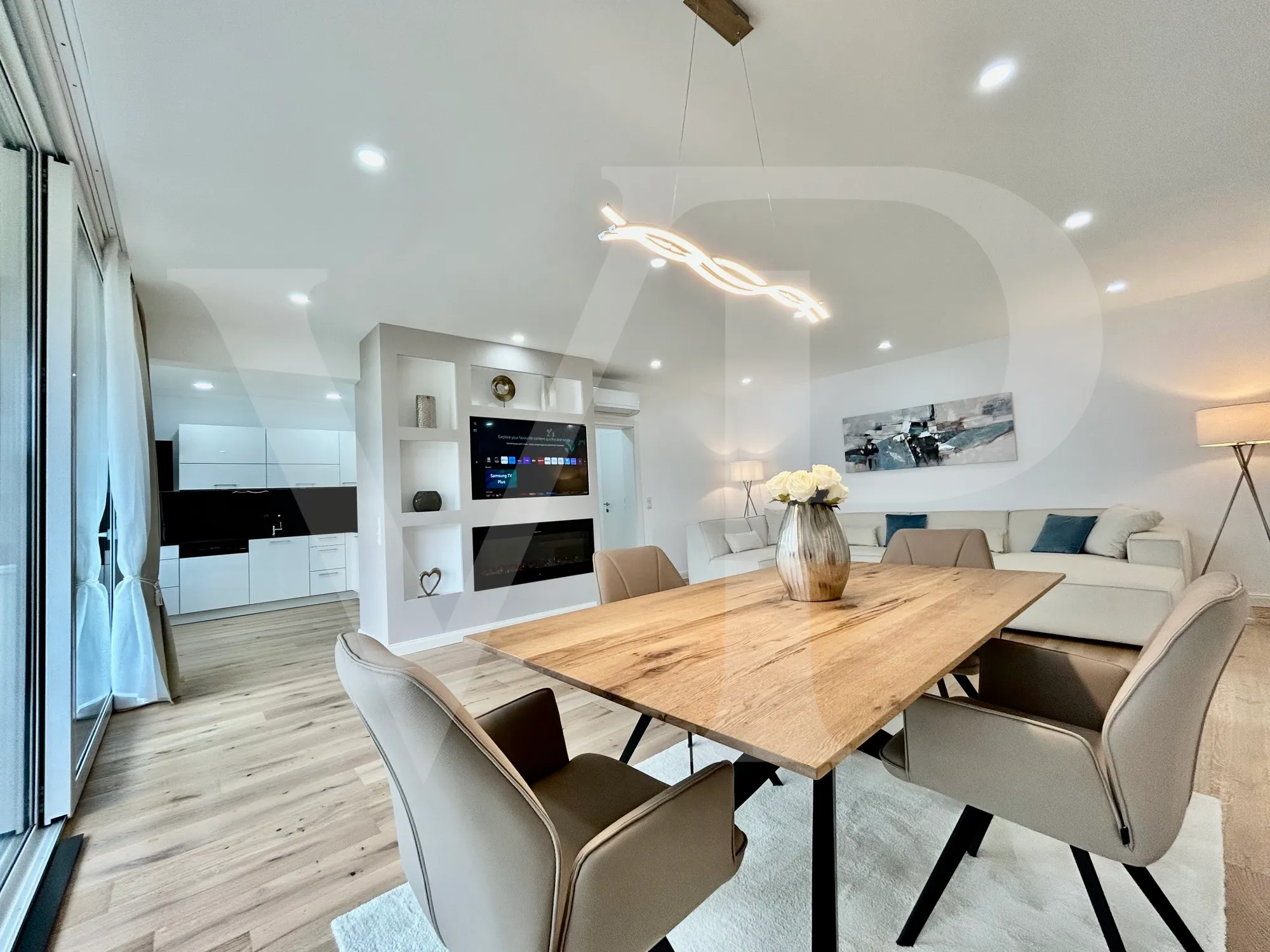 Apartment
€1,199,000
1180 WIEN, WÄHRING / WÄHRING (AUT) – WIEN
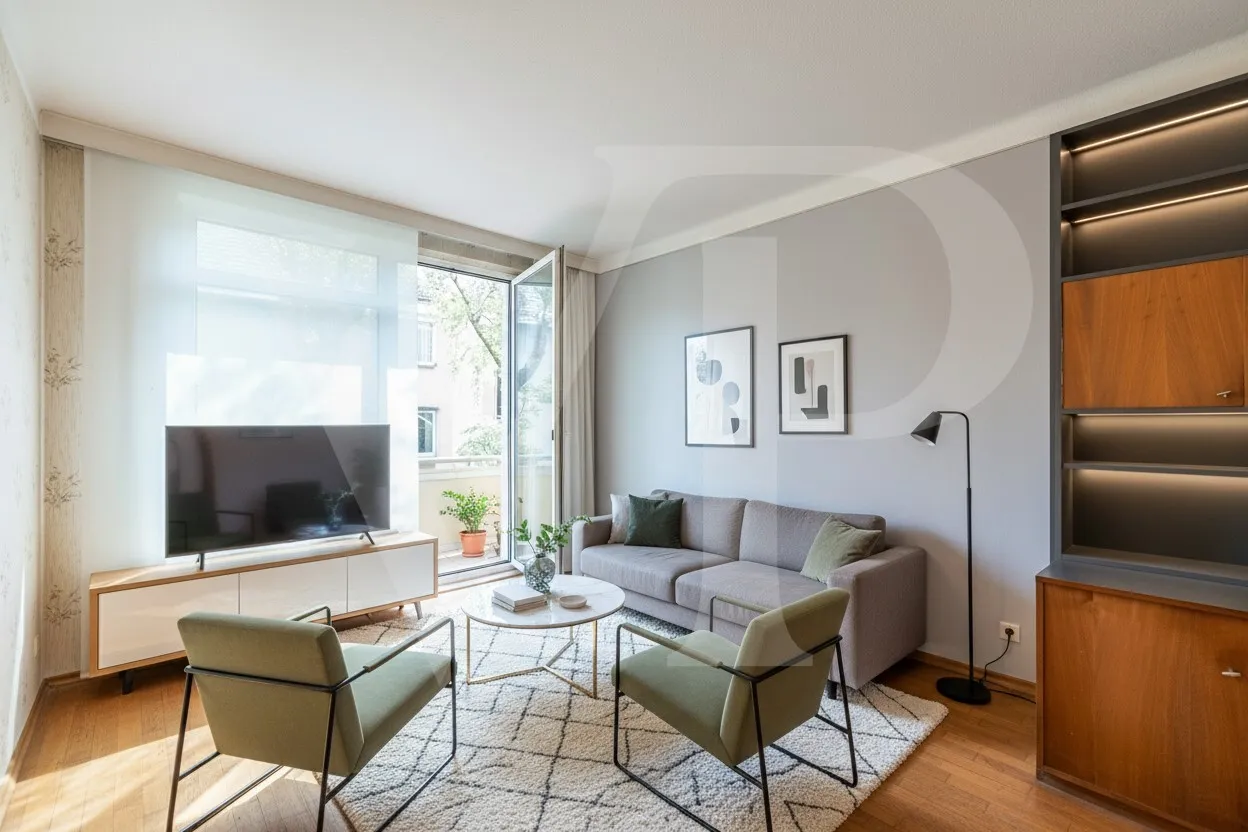 Apartment
€248,000
1190 WIEN / WIEN 19., DÖBLING (AUT) – WIEN
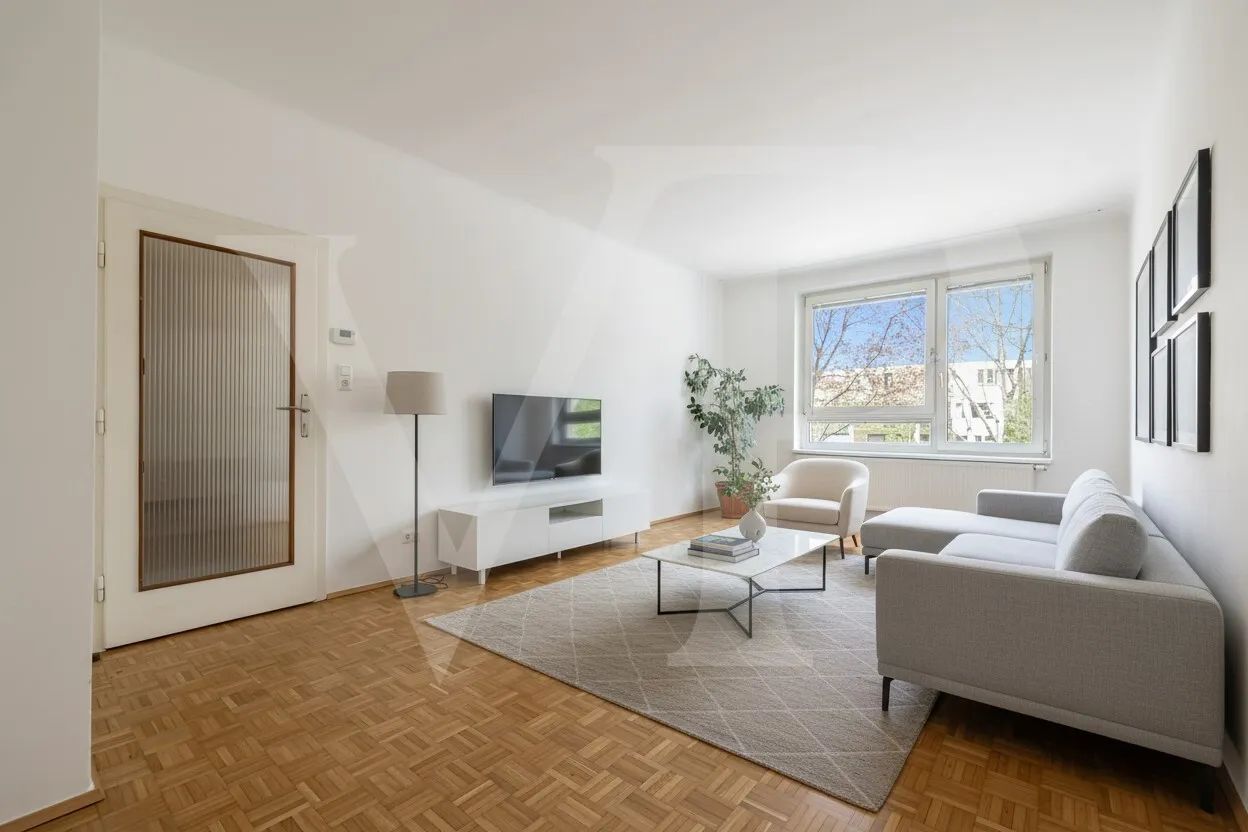 Apartment
€395,000
1190 WIEN / WIEN 19., DÖBLING (AUT) – WIEN
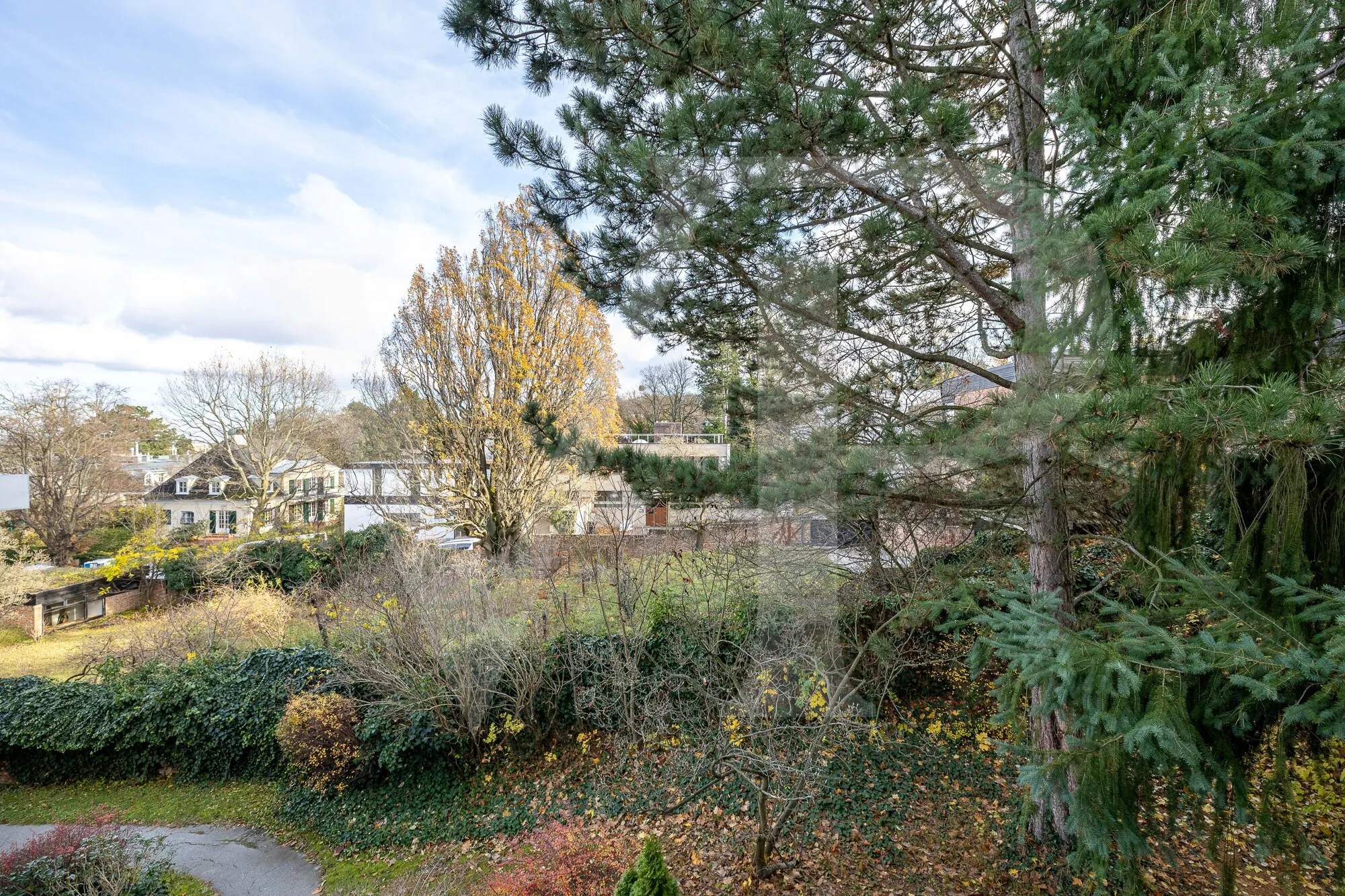 Apartment
€355,000
1130 WIEN (AUT)
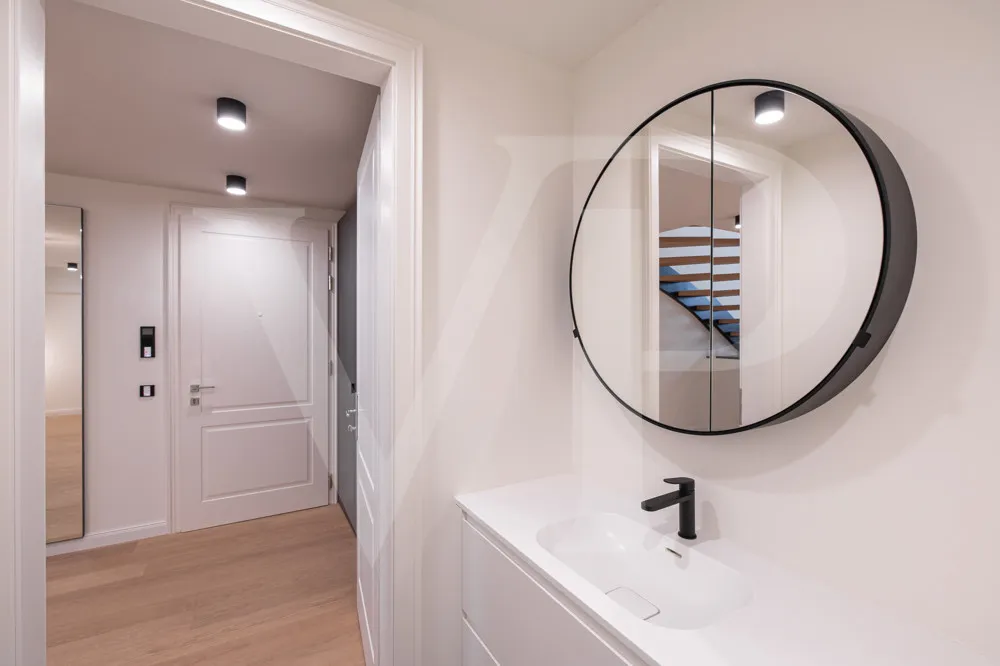 Apartment
€1,609,000
1010 WIEN (AUT)
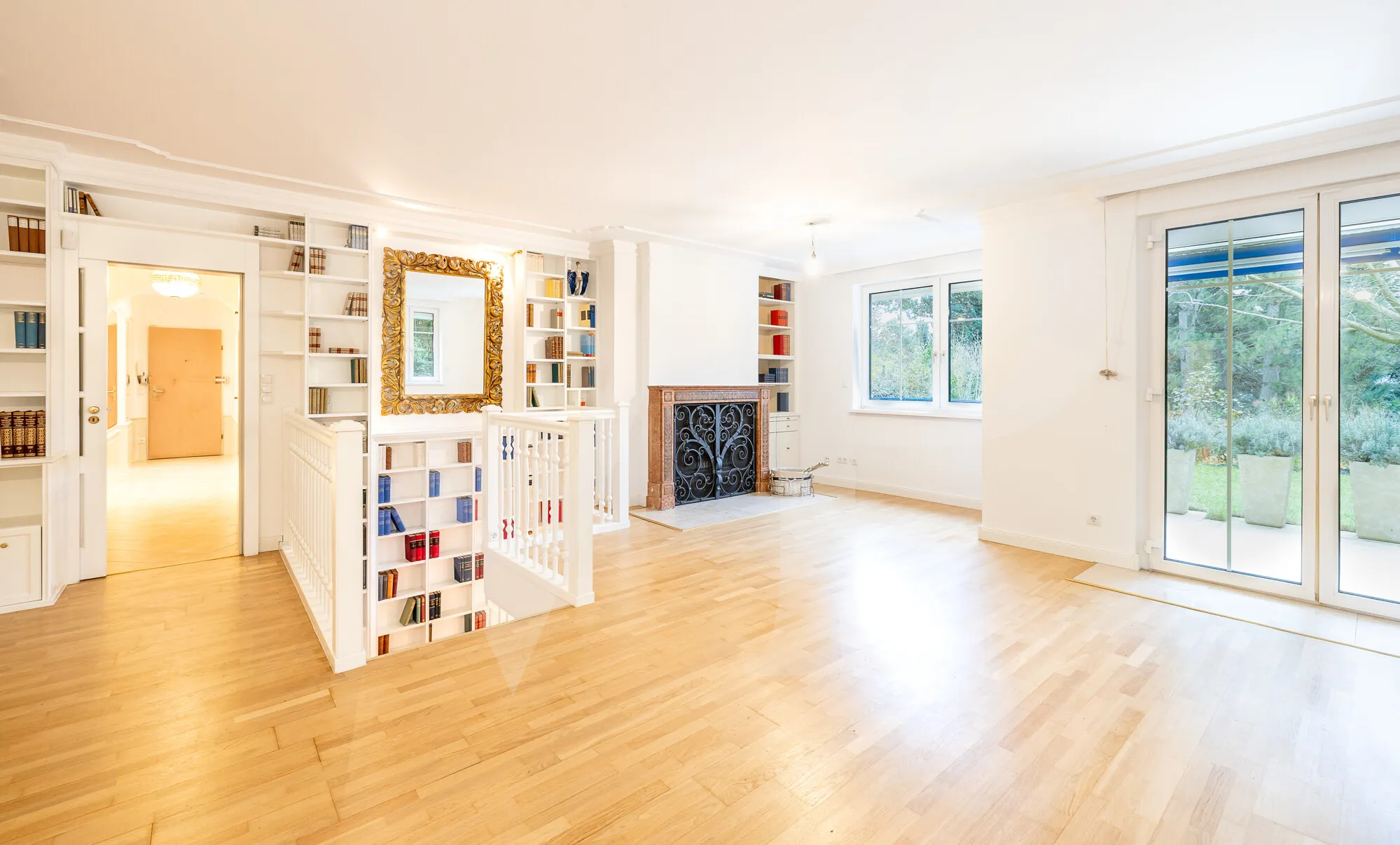 Apartment
€1,650,000
1190 WIEN (AUT)
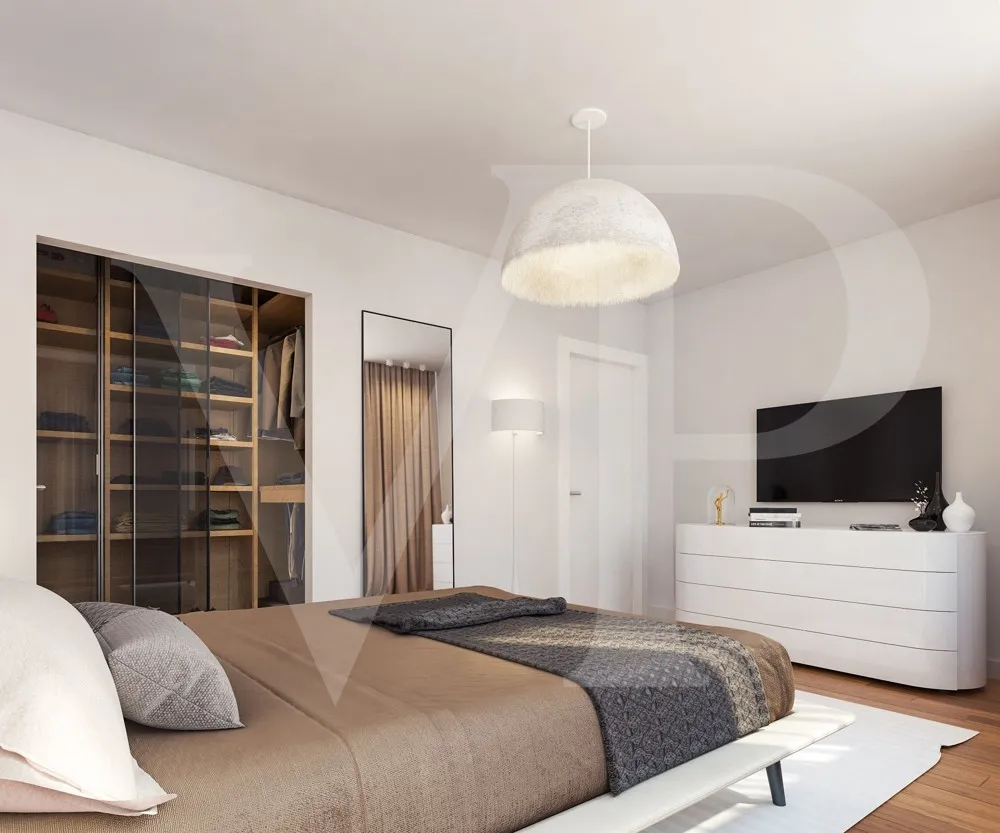 Apartment
€728,000
1040 WIEN (AUT)
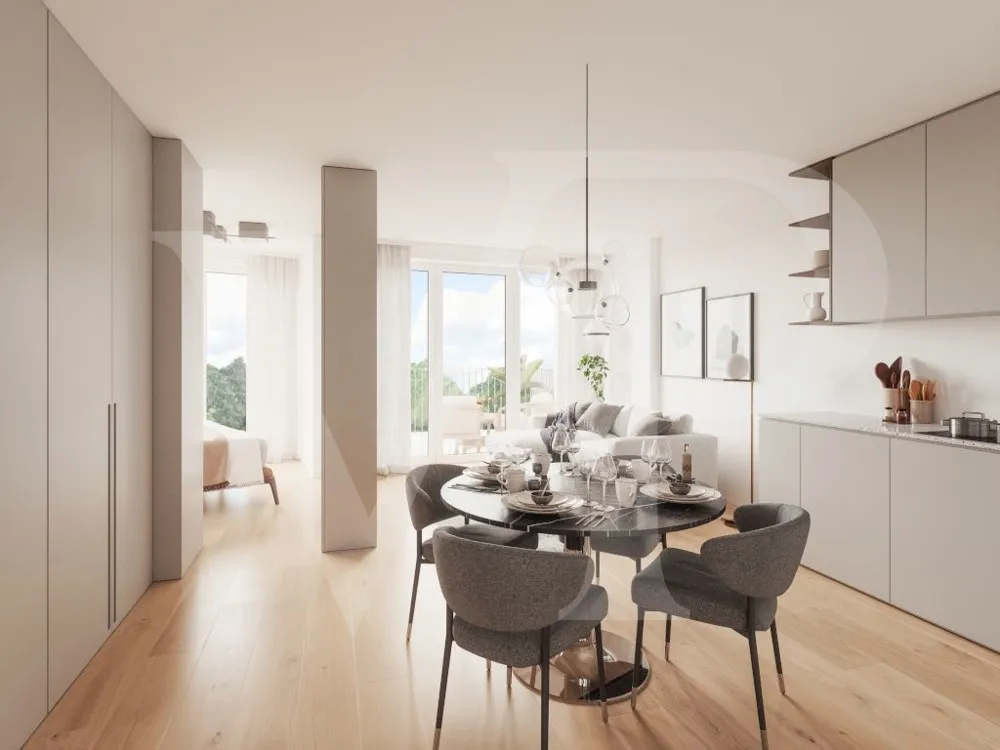 Apartment
€1,124,693
1020 WIEN (AUT)
 Apartment
€1,112,812
1020 WIEN (AUT)
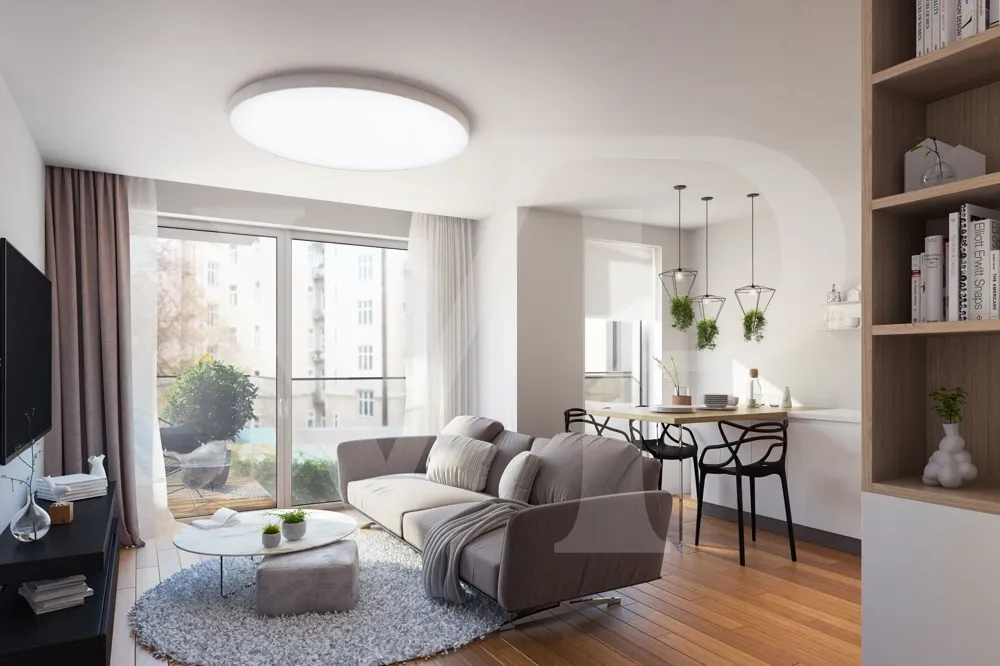 Apartment
€928,000
1040 WIEN (AUT)
 Apartment
€722,250
1020 WIEN (AUT)
 Apartment
€690,054
1020 WIEN (AUT)
Buyer's guide: Vienna
Vienna regularly tops global quality-of-life rankings, and its property market reflects that stability. RealEstateAbroad lists 1,848 properties for sale, with a median asking price of €749,950 and €6,331 per m². Rental regulation and a strong tenant culture shape the market, so buyers should understand how Viennese apartments are used and valued.
Asking prices from current listings, in euros.
| Measure | Vienna |
|---|---|
| Listings | 1,848 |
| Median asking price | €749,950 |
| 25th to 75th percentile | €499,900 to €1,335,000 |
| Median per m² | €6,331 |
| Median size | 122 m² |
Apartments make up 1,156 listings, houses 314, penthouses 152, land 127 and villas 62, with only a handful of studios and commercial units. Two-bedroom homes are most numerous (499), then three-bedroom (456), five-plus (308), four-bedroom (232) and one-bedroom (154). The unusual number of five-bedroom listings and the presence of houses and villas suggests our Vienna listings include the green outer districts, such as Döbling, Hietzing and Liesing, as well as the dense inner city.
Browse Austrian apartments and penthouses, or the house and villa pages for larger homes.
Vienna has 23 districts (Bezirke), numbered outward from the 1st, the historic centre. The first district is the most prestigious and expensive. The 2nd to 9th districts surround it and combine cafes, universities and good public transport. The 3rd (Landstraße), 4th (Wieden) and 7th (Neubau) are popular with young professionals. The 13th (Hietzing) and 19th (Döbling) are leafy, villa-rich and upscale. The 21st and 22nd, across the Danube, have newer developments and more space, and the 10th to 12th and 15th to 17th have lower prices.
A key Viennese distinction is between Altbau (pre-1945 buildings with high ceilings, ornate details and sometimes rent-regulated tenancies) and Neubau (newer construction with lifts, balconies and parking). Altbau charm commands a premium, although heating costs and building repairs can be higher.
Austria permits EU and EEA citizens to buy property freely, while non-EU citizens usually need approval from a state authority, and rules differ by federal state. In Vienna, non-EU buyers need a permit from the land transfer commission, which is granted in many cases for residential purchases but can take time. Always check with a lawyer or notary.
Purchase costs add up to around 8 to 10 per cent of the price, including a 3.5% real estate transfer tax, a 1.1% land registry fee, notary or lawyer fees and agent commission, which is regulated and often 3% plus VAT from the buyer for residential sales. Austria has no wealth tax. Our Austria buying guide, Austrian mortgage page and Austria market analysis give more.
Viennese apartments carry monthly operating costs (Betriebskosten) and a repair reserve (Rücklage) for the building, which are separate from your utility bills. Ask for the last three years' accounts. Rental yields in Vienna are modest, and Austrian tenancy law is protective of tenants, especially in pre-1945 buildings with regulated rents. Newer buildings and freely agreed rents are usually more attractive to investors.
Heating is often district heating or gas, and the energy certificate (Energieausweis) should be shown in the listing. Check the lift, roof and façade condition; a major renovation decision by the owners' meeting can bring a large bill. Public transport is excellent and inexpensive, which reduces the need for a car and parking space.
For alternatives, consider Graz, Salzburg, Klosterneuburg just north of Vienna, the ski town Kitzbühel and the lake town Neusiedl am See. Note that Kitzbühel has strict holiday-home restrictions. See the Austria hub or use the valuation tool on a specific price.
Last updated 8 October 2026
Usually with approval from the competent authority, which can take some weeks. The rules depend on nationality and the purpose of the purchase.
The median asking price is €749,950 and €6,331 per m². Inner districts cost more.
Roughly 8 to 10 per cent in total, including transfer tax, land register fees, legal fees and agent commission.
Altbau refers to older, pre-war buildings with high ceilings, and Neubau to newer construction. Each has different running costs and rules.
Rental regulation can limit rent increases on older buildings. Yields tend to be modest, with capital stability as the main attraction.
Vienna has a long record of stable prices and a deep rental market. Returns are mainly from steady capital value and not high yields, and tenant-friendly laws affect older buildings.