
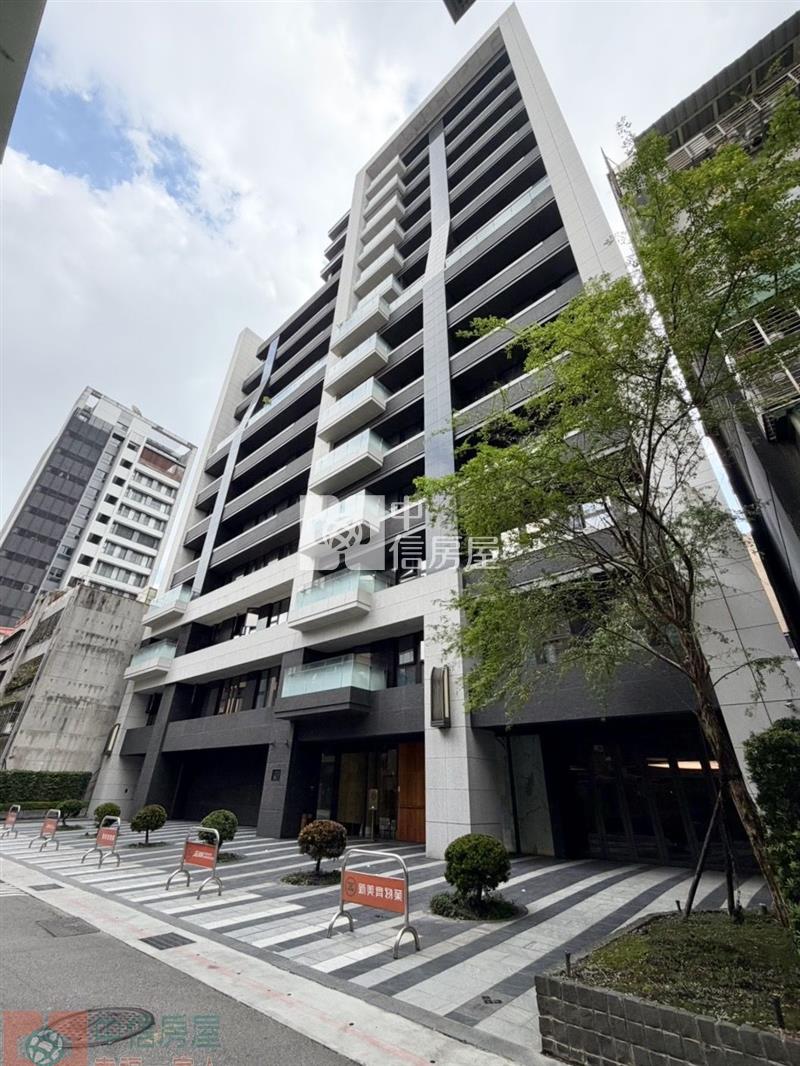
 Apartment
NT$34,980,000
台北市
1 bd 1 ba 60 m²

108 homes, apartments and plots from local agents and developers.
Listings link to the original agent or portal, where you can contact the seller directly.
24 properties shown
ApartmentNT$34,980,000
台北市
 Apartment
NT$24,100,000
台北市
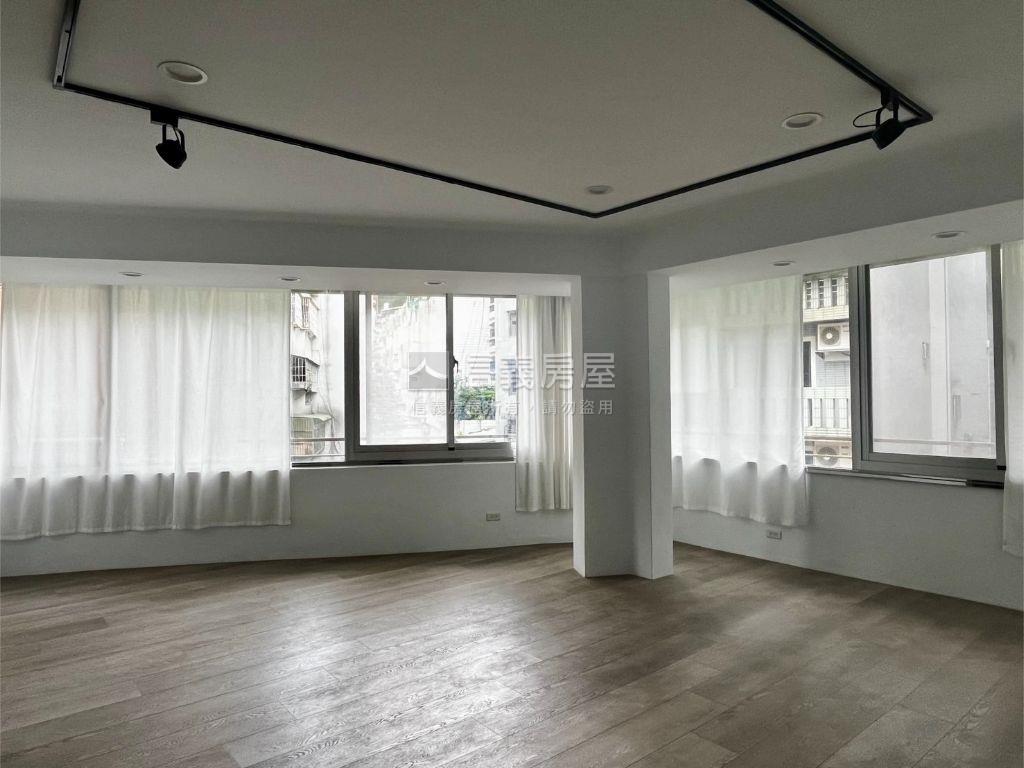 Apartment
NT$21,280,000
台北市
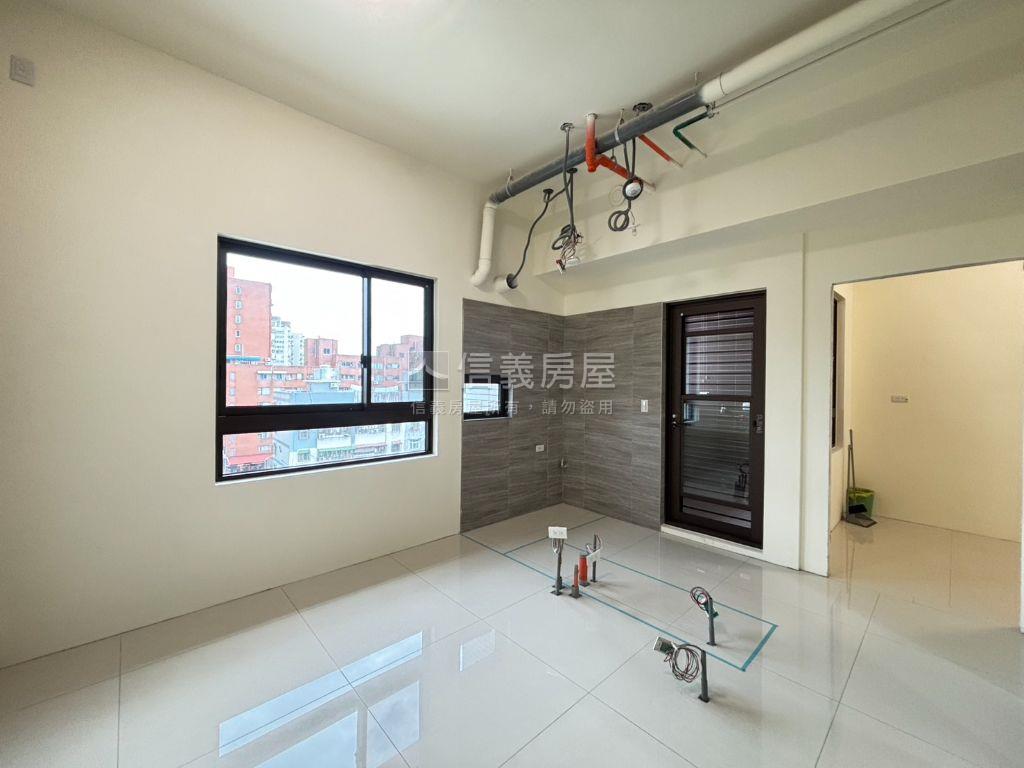 Apartment
NT$36,600,000
台北市
 Apartment
NT$38,960,000
台北市
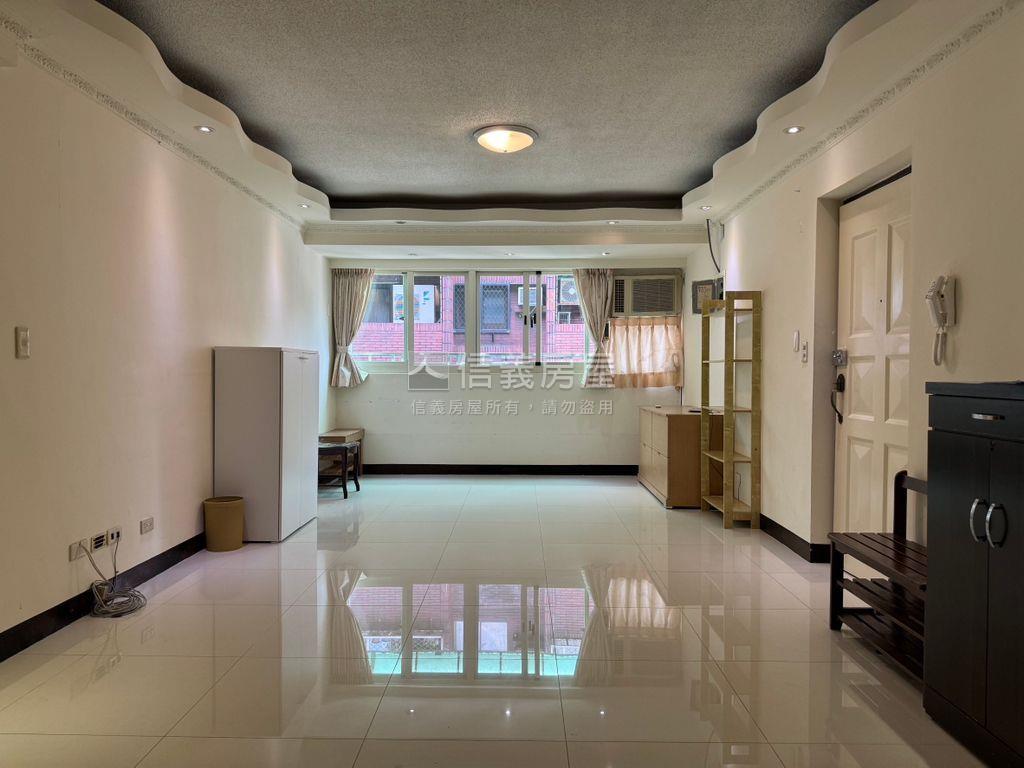 Apartment
NT$45,880,000
台北市
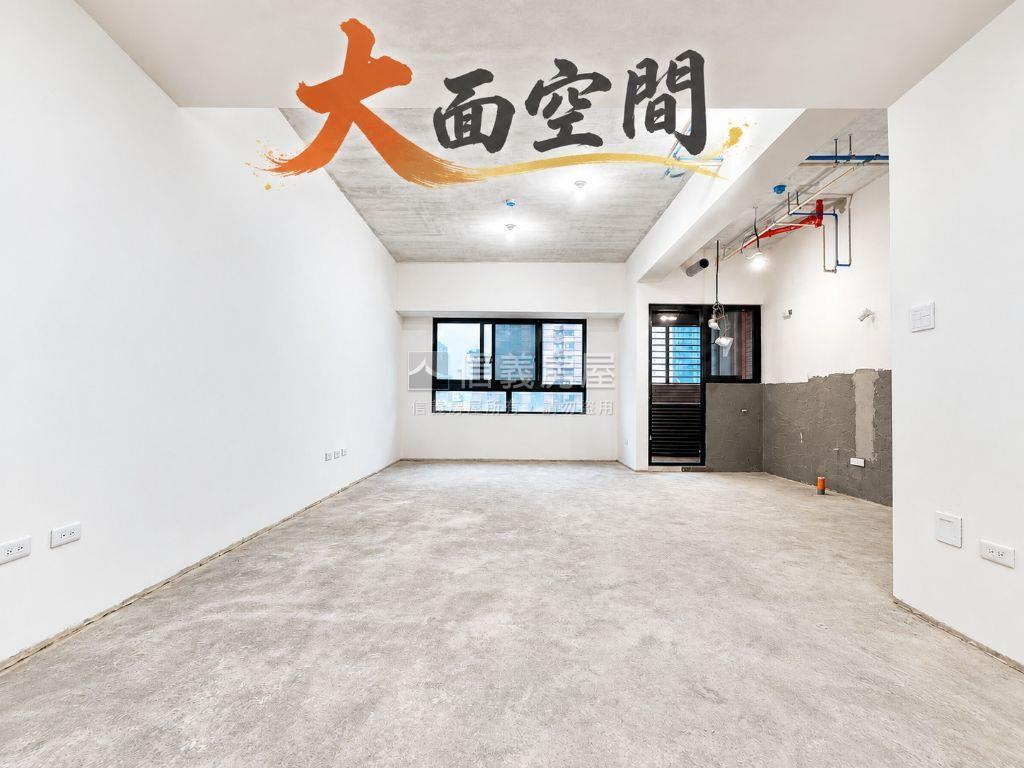 Apartment
NT$74,100,000
台北市
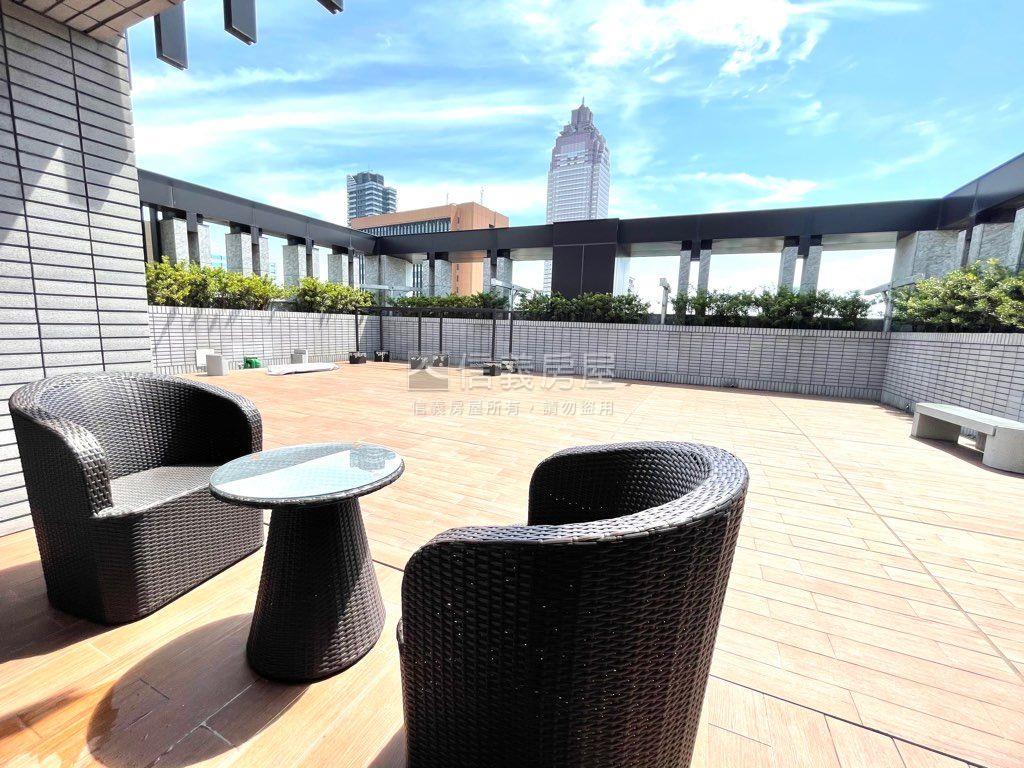 Apartment
NT$43,680,000
台北市
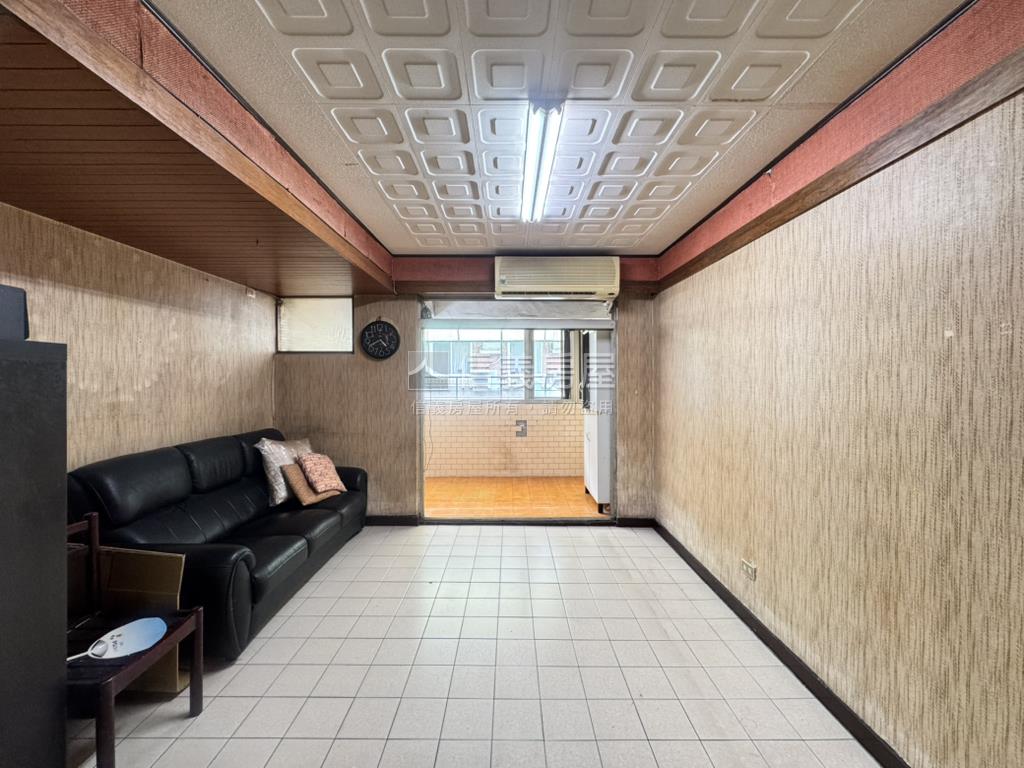 Apartment
NT$20,880,000
台北市
 Apartment
NT$27,500,000
台北市
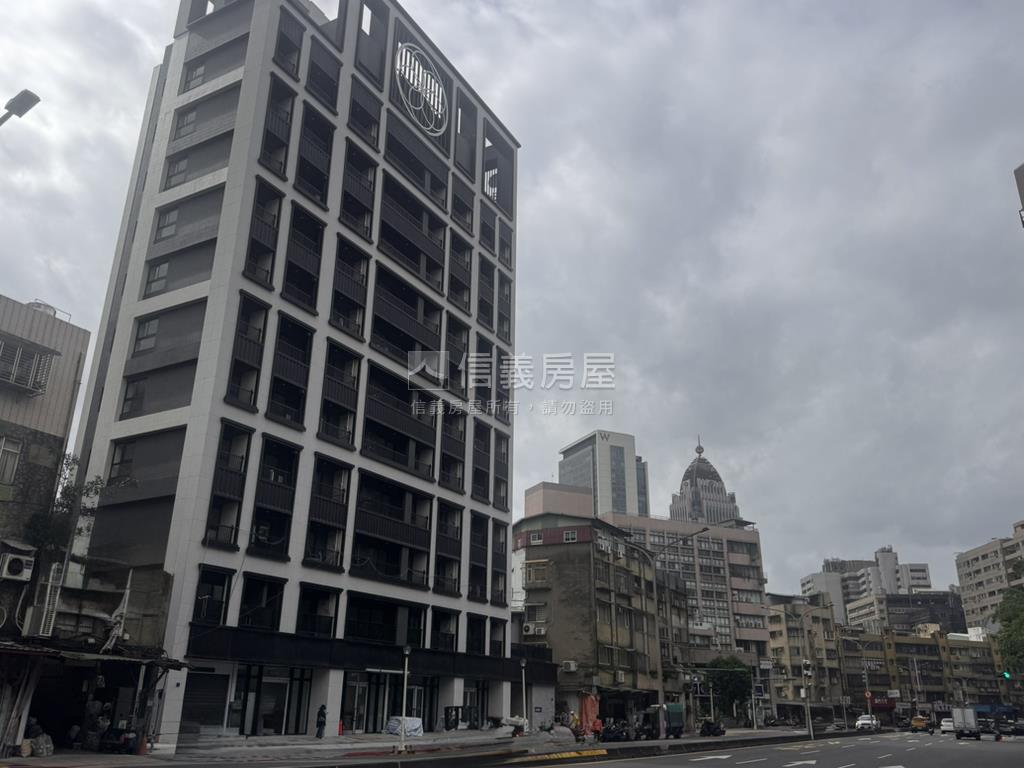 Apartment
NT$26,990,000
台北市
 Apartment
NT$29,880,000
台北市
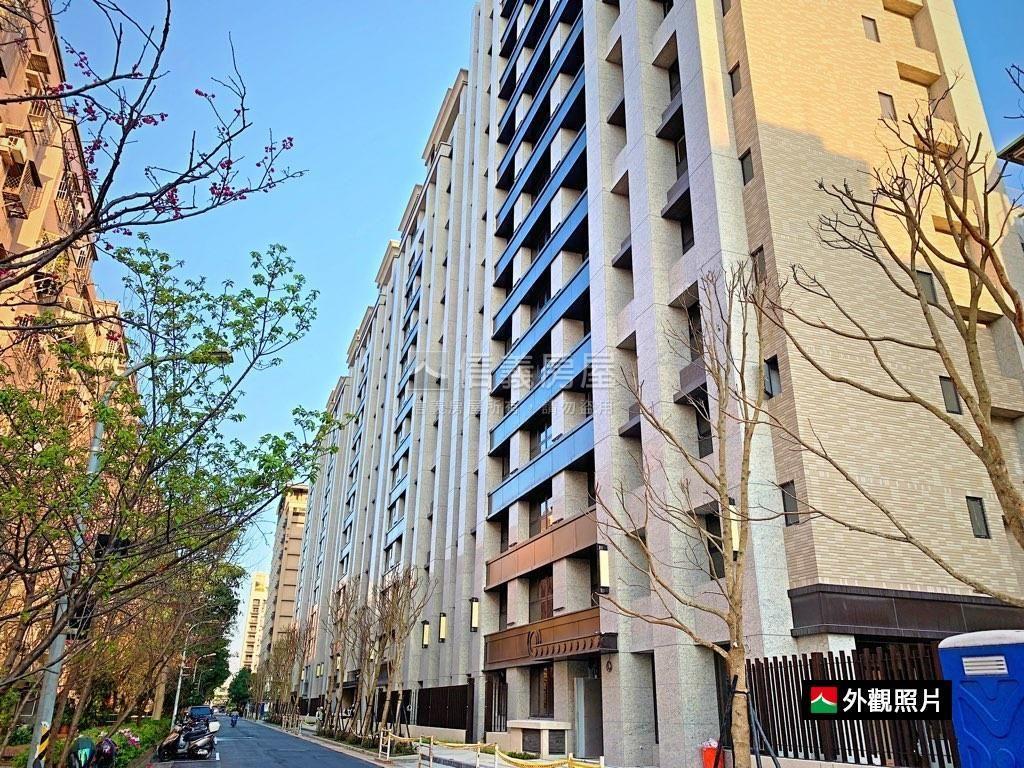 Apartment
NT$59,880,000
台北市
 Apartment
NT$22,000,000
台北市
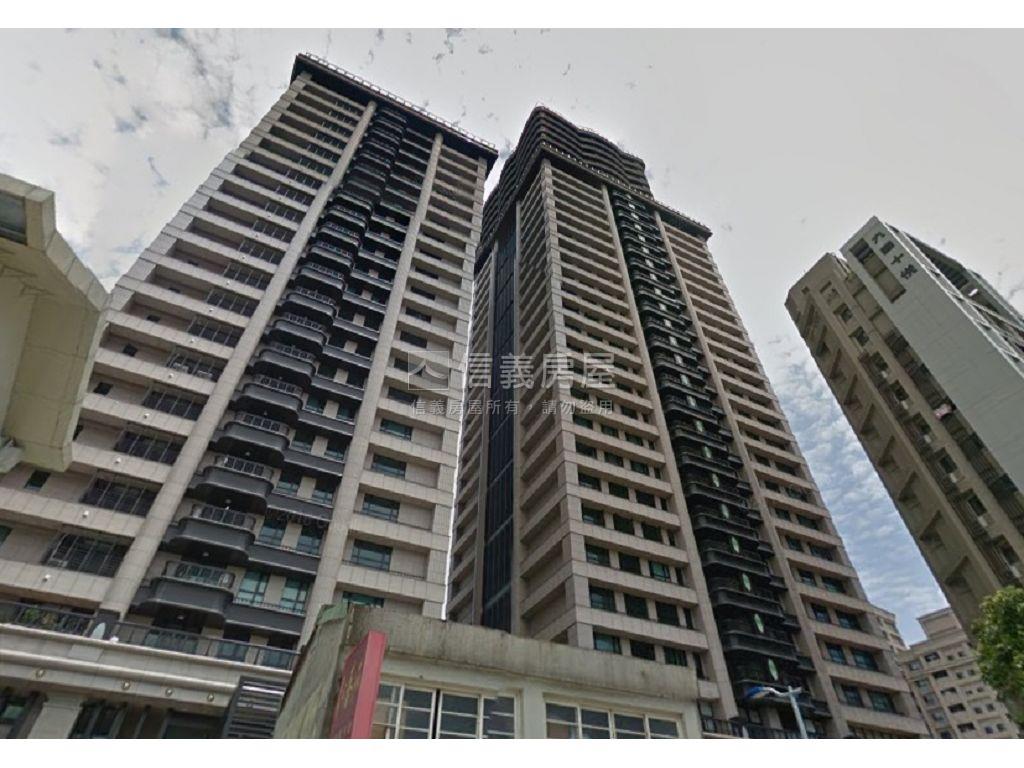 Apartment
NT$72,300,000
台北市
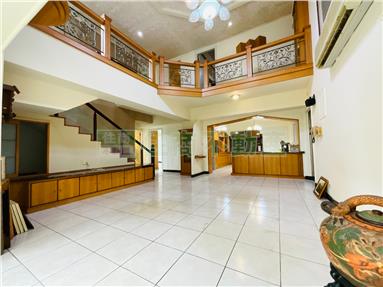 Apartment
NT$73,880,000
台北市
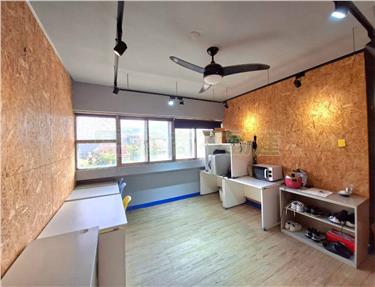 Apartment
NT$7,000,000
台北市
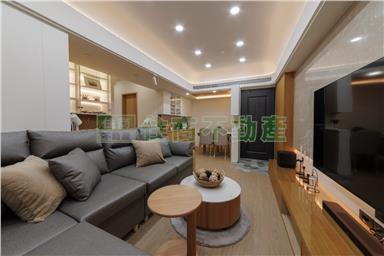 Apartment
NT$32,980,000
台北市
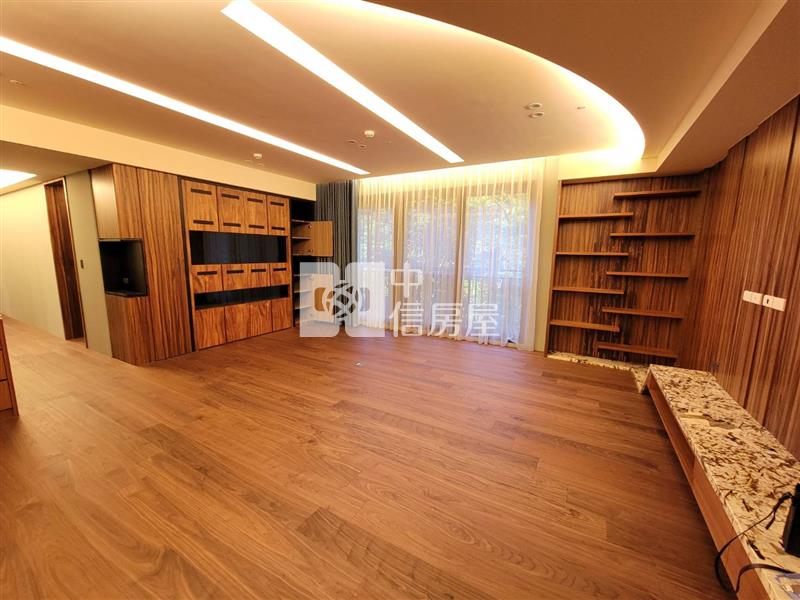 Apartment
NT$78,880,000
台北市
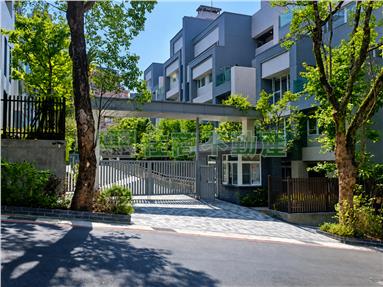 Apartment
NT$32,500,000
台北市
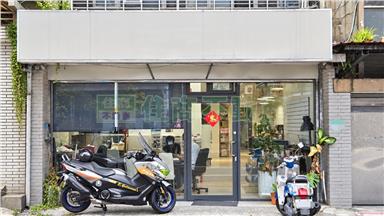 Apartment
NT$34,800,000
台北市
 Apartment
NT$48,000,000
台北市
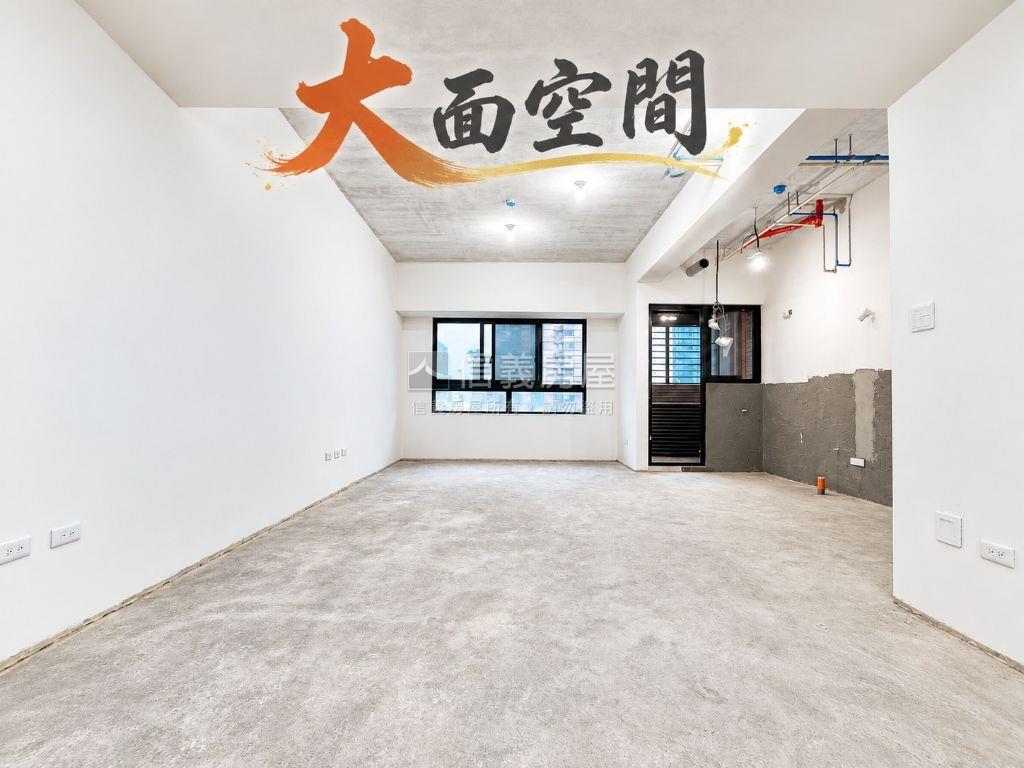 Apartment
NT$74,100,000
台北市
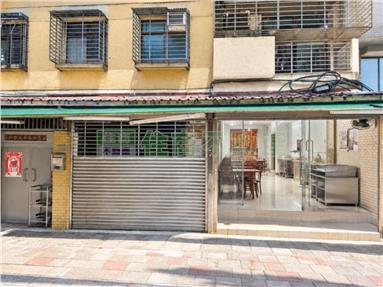 Apartment
NT$43,800,000
台北市
Buyer's guide: Taiwan
Property for sale in Taiwan is dominated by city apartments, and RealEstateAbroad currently lists 79 properties with a median asking price of NT$31,880,000. Foreigners can buy, but the right to own land rests on reciprocity with your home country and there is no property-linked residency. This guide covers what the listings show, the legal gate, the costs and the practical quirks of Taiwanese buildings.
The figures below come from current listings on RealEstateAbroad and are asking prices in New Taiwan dollars (TWD), not recorded transactions. With 79 listings the sample is small, so compare with local sources before relying on any single number.
The typical home we list is large for the region, at a median of 120 m², and asking prices come to a median of NT$275,699 per m². Apartments make up almost the whole list: 74 of 79.
| Indicator | Current listings |
|---|---|
| Listings on RealEstateAbroad | 79 |
| Median asking price | NT$31,880,000 |
| Median price per m² | NT$275,699 |
| Median size | 120 m² |
| Property-type mix | Apartments 74; houses 3; commercial 2 |
| Bedrooms | Studio 8; 1 bed 13; 2 beds 15; 3 beds 30; 4 beds 8; 5+ beds 5 |
Most Taiwanese urban housing is apartment living. Typical forms include mid-rise apartment buildings of 5 to 12 storeys, newer towers with lifts, security desks and shared facilities, and older walk-up blocks. Detached houses are rare in cities and are usually found on the outskirts or in rural areas.
Our most common bedroom count is three (30 of 79 listings), which fits the family-sized layouts Taiwanese developers favour. Apartment details are on our Taiwan apartments page.
Taiwanese sellers and agents often quote area in ping (about 3.3 m²) and often include shared common areas in the stated size, which can be a large share of the total. When you compare listings, ask for the registered indoor area.
Yes, in principle, but the Land Act sets a reciprocity test. A foreign national may acquire land in Taiwan if their home country allows Taiwanese citizens equivalent rights. The Ministry of the Interior publishes a list of countries that qualify. If your country is not on the list, a reciprocity certificate from an authorised overseas office may be needed.
Certain land is closed to foreigners, including forest, fishing and hunting land, salt fields, mining land, water-source land, military areas and land near national borders. Residential flats in urban buildings are the usual purchase.
Having permanent residency does not replace the reciprocity test. The authorities treat it as a separate question, so ask a Taiwanese lawyer or land administration agent to confirm your eligibility before you pay a deposit. Our Taiwan buying guide explains the process step by step.
The following ranges are approximate and rules change, so confirm each item with a local land administration agent.
| Cost or tax | Typical level (approx.) |
|---|---|
| Deed tax (paid by buyer) | About 6% of the assessed value, which is usually below the market price |
| Stamp duty | Small percentage of the contract value |
| Agent commission | Often 2% to 4% in total, split between sides |
| Land administration agent | Fixed fee, commonly around NT$10,000 to NT$30,000 |
| Annual house tax and land value tax | Based on assessed values; owner-occupied rates are lower than rented or vacant |
| Land value increment tax and income tax on sale | Paid by the seller; short-hold gains may face an additional specified tax |
| Building management fee | Monthly, set by each building |
In Taiwan the pre-contract question is not price but eligibility: can your passport own this plot of land at all?
Taiwanese banks have tightened lending in recent years under central-bank credit controls, with lower loan-to-value ceilings for second and higher-value homes. For foreigners the barriers are higher still, since banks typically want a local income and resident status. Most overseas buyers pay cash or use equity from home. Read our Taiwan mortgage guide for typical paperwork and use the mortgage calculator to estimate costs.
Taiwan does not have a golden visa linked to real estate. You can buy a flat while living abroad or on another visa type, but ownership alone does not grant residency. Investor and professional residency routes exist outside property, and the rules are set by the National Immigration Agency. Check them separately.
Pros
Cons
For budget searches, try the lower-priced listings and the homes under 100k page. For market data, see the Taiwan market analysis.
Last updated 8 October 2026
Yes, if their country grants Taiwanese citizens similar rights under the reciprocity principle, and the land is not in a restricted category. A land administration agent can confirm eligibility with the Land Office before you commit.
The median asking price in our 79 listings is NT$31,880,000, or about NT$275,699 per m². Prices differ sharply between Taipei and other cities, so use our figures as a guide and compare with registered transaction prices.
Buyers pay deed tax of around 6% of assessed value, stamp duty and agent fees. Annual house and land taxes follow ownership. Sellers pay land value increment tax and may owe additional tax on short-hold sales.
It is possible but difficult. Banks usually prefer residents with local income, and central-bank credit controls limit loan-to-value on higher-value homes. Ask lenders directly, and expect a large deposit.
No. Taiwan has no property-based visa. Residency comes from work, family, investment or other routes handled by the immigration authorities.
A ping is a traditional area unit of about 3.3 m². Listings often quote total area including shared spaces such as stairwells and lobbies, which can make the usable floor space considerably smaller than advertised.
Taiwan is seismically active, so building age, structure and compliance with current codes matter. Ask for the building's construction date and have an engineer inspect older blocks.