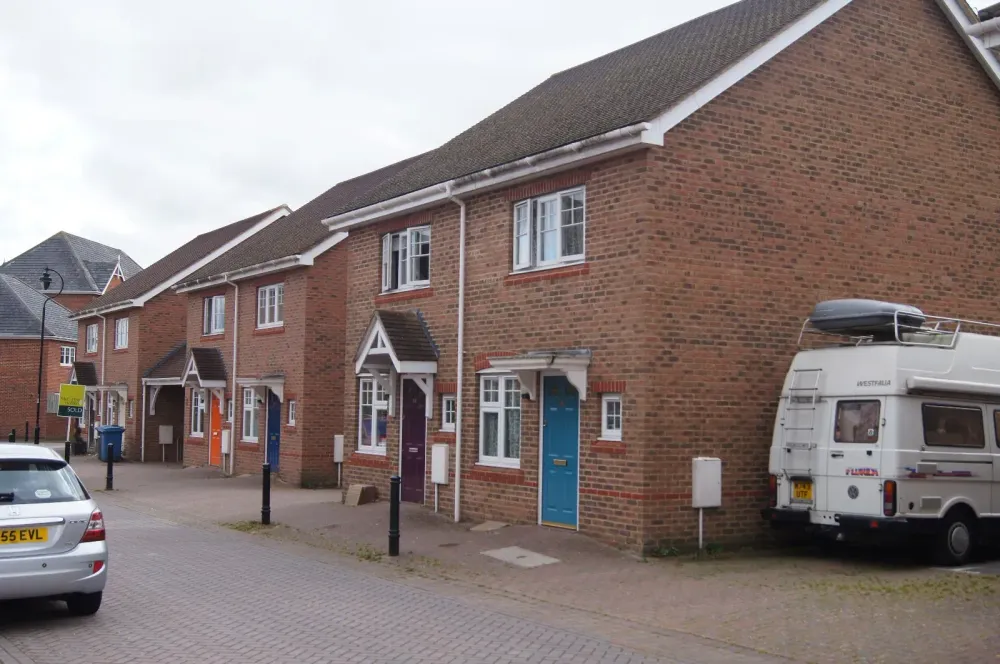
Florida Housing Market Enters 2026 with Eased Mortgage Rates, Rising Sales
Florida's housing market stabilizes in 2026 with eased mortgage rates and rising sales, creating new opportunities amid affordability challenges.
Florida Housing Shows Strength as 2026 Begins
As we step into 2026, the Florida housing market is demonstrating renewed strength and stability, driven largely by easing mortgage rates and increasing sales activity. According to Florida Realtors, a shift towards a more balanced market has been observed, with inventory growth slowing and the time properties spend on the market leveling off. These developments provide a promising outlook for real estate investors and buyers alike, as the market adjusts from the volatility experienced in recent years. However, first-time buyers continue to face affordability challenges, representing just 21% of national purchases.
📌 Key Takeaways
- Florida housing market strengthens with eased mortgage rates in 2026.
- Mortgage rates decline from 7% to 6%, boosting sales by 14%.
- Migration drives demand; 27% of new residents from U.S. in 2024.
- First-time buyers face challenges, making up 21% of national purchases.
Mortgage Rates Decline Spurs Market Activity
The easing of mortgage rates has proven to be a significant factor in the stabilization of Florida's housing market. The National Association of Realtors (NAR) has projected a 14% increase in existing-home sales for 2026, attributing this growth to the decline in mortgage rates from 7% to 6%. Such a decrease could potentially attract over 6,000 additional buyers monthly into the Orlando market alone. This trend highlights how even small fluctuations in interest rates can unlock substantial pent-up demand, thereby fueling market activity and providing new opportunities for cross-border investors.
Migratory Trends and Their Impact on Florida's Real Estate
Migration continues to play a pivotal role in shaping Florida's housing market dynamics. In 2024, 27% of new residents in the state came from other parts of the U.S., while 5% were international arrivals. This influx has been a significant driver of demand, supporting property value appreciation and ensuring a steady flow of buyers in the market. The robust job market and favorable climate conditions further enhance Florida's attractiveness as a destination for domestic and international migrants. This trend is expected to persist, underpinning the housing market's recovery and growth in the coming years.
27% of new residents in the state came from other parts of the U.S.

Affordability Remains a Challenge for New Buyers
Despite positive developments, affordability remains a daunting challenge for many first-time homebuyers. Nationally, they account for only 21% of all purchases, underscoring the difficulties faced in entering the market. Factors such as rising property prices and the cost of living continue to pose significant barriers. Economists from HCO Insights emphasize that while mortgage rate reductions enhance purchasing power, the persistent gap between income levels and home prices needs addressing to foster a more inclusive market growth.
Opportunities for Investors Amid Market Stabilization
I sent off a yellow flare on the housing market in a post a couple of weeks ago, but I now think a red flare is more appropriate. Home sales, homebuilding, and even house prices are set to slump unless mortgage rates decline materially from their current near 7% soon. That,… pic.twitter.com/Wz8cJ4SZVf
— Mark Zandi (@Markzandi) July 13, 2025
The current stabilization of Florida's housing market presents numerous opportunities for real estate investors. The balanced market and reduced volatility provide a conducive environment for strategic investments. As the inventory growth slows and sales increase, investors can capitalize on properties that offer promising returns. According to a NAR report, tapping into regions experiencing high migratory inflows could yield significant investment potential. RealEstateAbroad.com analysis suggests prioritizing areas with robust job growth and infrastructural developments.
Looking to the Future: Sustainable Growth and Stability
As Florida's housing market enters a phase of sustainable growth, the focus shifts towards ensuring long-term stability. Analysts predict that continued moderation in mortgage rates and strategic interventions to improve affordability will be crucial. Stakeholders are encouraged to advocate for policies that align with these goals, facilitating a balanced and inclusive market. The potential for strong migration and economic expansion continues to provide a positive backdrop for the state's real estate sector, setting the stage for continued success in 2026 and beyond.
| Metric | Current Value | Notes |
|---|---|---|
| Mortgage Rate | 6% | Eased from 7% in 2025 |
| Existing Home Sales Increase | 14% | Projected for 2026 |
| First-time Buyer Share | 21% | Nationally |
- Monitor mortgage rate trends closely for investment timing
- Focus on areas with high migratory inflows
- Consider affordability impacts on target demographics
Weekly briefing for buyers abroad
The week's property news for international buyers, plus residency-by-investment changes and market data.
One email a week. Unsubscribe at any time.