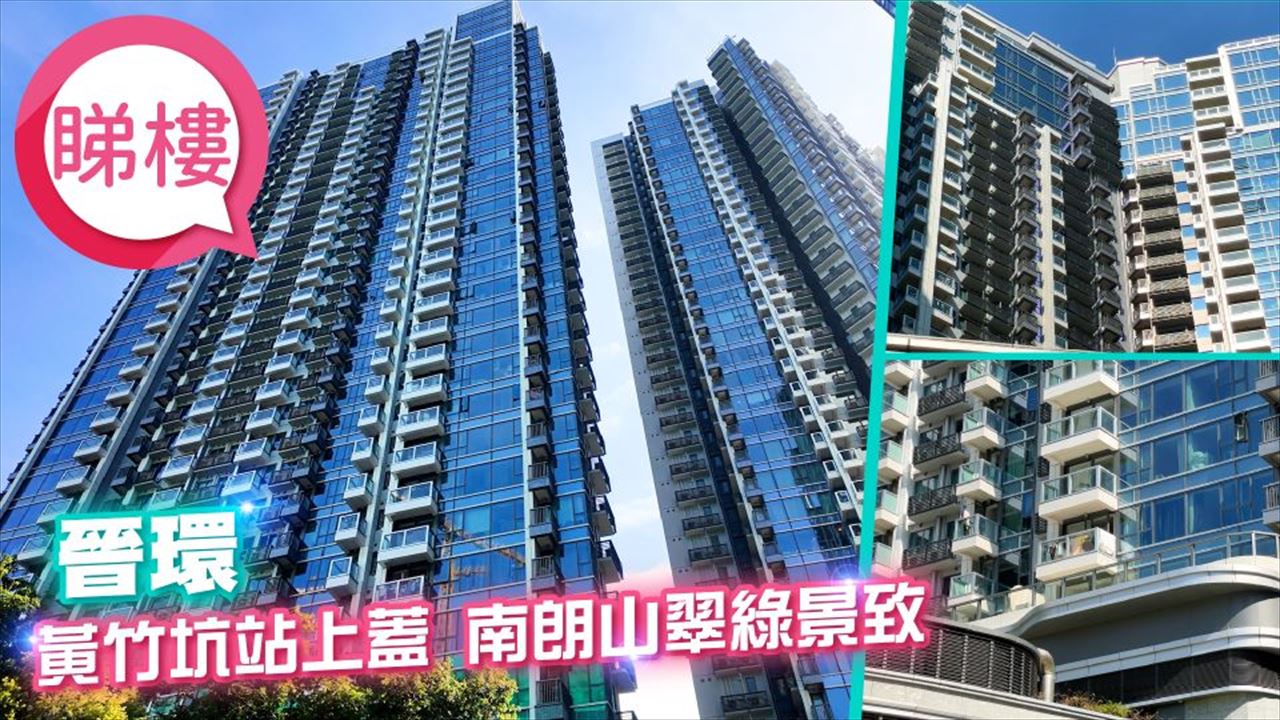
 Apartment
Price on request
Hong Kong
1 ba


2 homes, apartments and plots from local agents and developers.
Listings link to the original agent or portal, where you can contact the seller directly.
10 properties shown
ApartmentPrice on request
Hong Kong
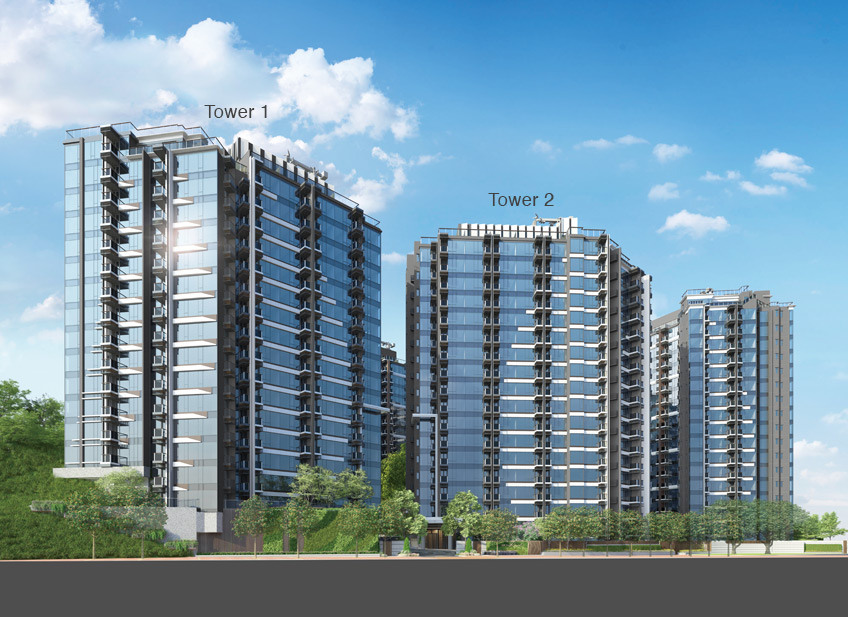 Apartment
SAR 2,988,000
Hong Kong
 Apartment
$18,000,000
Hong Kong
 Apartment
SAR 4,280,000
Hong Kong
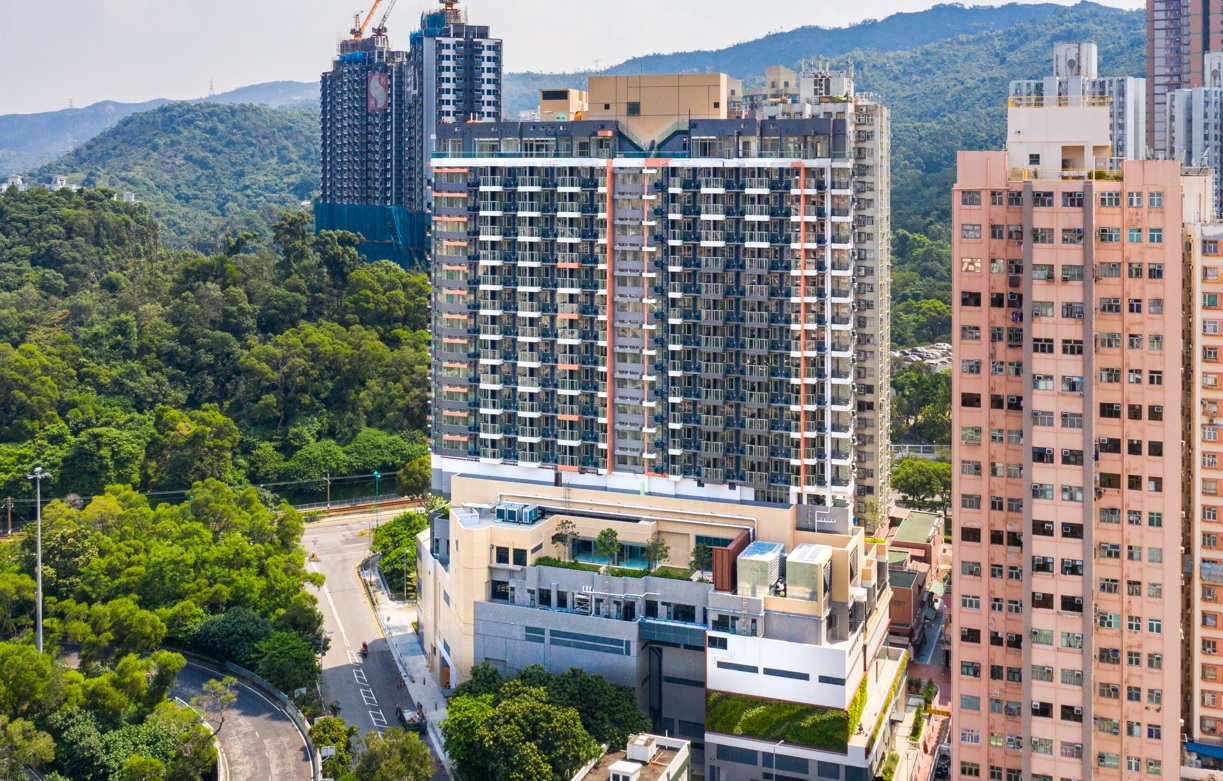 Apartment
$1,830,000
Hong Kong
 Apartment
SAR 6,380,000
Hong Kong
 Apartment
SAR 9,000,000
Hong Kong
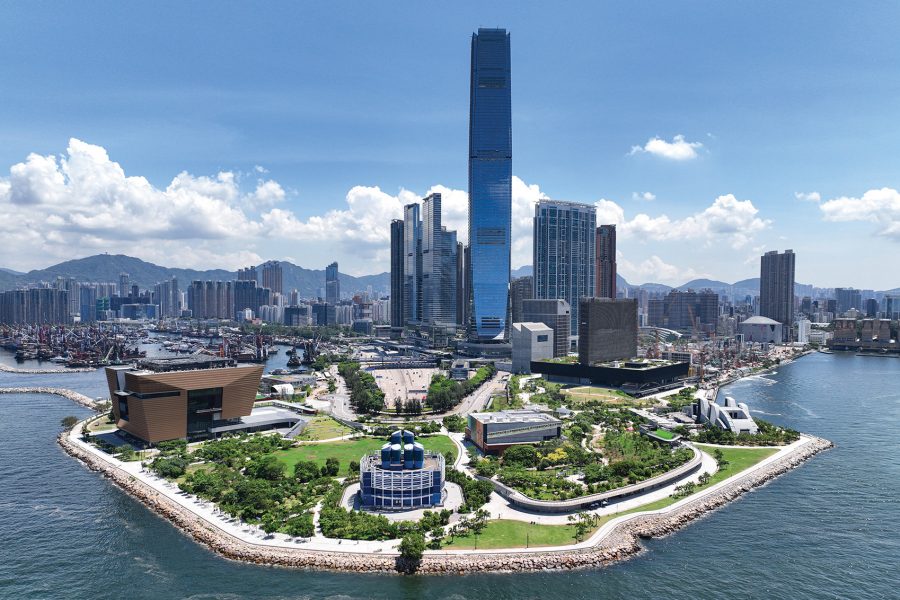 Apartment
Price on request
Hong Kong
 Apartment
HK$4,380,000
Siu Hong
 Apartment
HK$5,500,000
Po Lam
Buyer's guide: Hong Kong
The Hong Kong real estate market is known for its dynamic nature and resilience, even in challenging economic times. Currently, the market is experiencing a moderate level of buyer activity, driven by a slight dip in property prices due to global economic uncertainties. The demand for properties remains high, particularly in the central business districts and key residential areas. However, the supply of new developments is limited, leading to competitive buying conditions. Prospective buyers should be prepared for a fast-paced market environment where desirable properties can attract multiple offers. Despite these challenges, Hong Kong remains a top destination for property investment due to its strategic location and robust legal framework.
Apartments. Apartments are the most common type of property in Hong Kong, ranging from compact studio units to spacious multi-bedroom flats. They are ideal for singles, couples, and small families, especially those seeking proximity to urban amenities and public transport.
Villas. Villas offer a more luxurious living experience, often located in quieter, suburban areas or on the outskirts of the city. These properties typically feature larger living spaces and private gardens, attracting affluent families and expatriates seeking a serene environment.
Penthouses. Penthouses are the epitome of luxury living, offering expansive views of the city or harbor. They are often situated in high-rise buildings in prime locations, appealing to high-net-worth individuals who desire exclusivity and top-tier amenities.
Townhouses. Townhouses provide a balance between apartment living and standalone homes, with multiple floors, private entrances, and sometimes small outdoor spaces. They are popular among families looking for a more traditional living environment within the city.
Hong Kong's property market continues to be a safe haven for investors, thanks to its stable legal environment and strategic location in Asia. While the market has seen some fluctuations, the long-term growth potential remains strong due to ongoing infrastructure developments and a steady influx of expatriates. Rental demand is robust, particularly in urban centers, offering good yields for landlords. Resale prospects are also favorable, given the city's limited land supply and high population density. Buyers should consider properties with unique features or locations that can offer competitive advantages in the resale market.
Foreigners can purchase property in Hong Kong without any specific restrictions. However, they are subject to the same stamp duties as locals. These include a Buyer’s Stamp Duty (BSD) of 15% and an Ad Valorem Stamp Duty (AVD) that varies based on the property value and residency status. It's crucial to consult with a local legal expert to understand the detailed implications of these taxes and ensure compliance with all legal requirements.
Hong Kong's property market is one of the most expensive in the world, often compared with cities like New York and London. As of 2023, the average price per square foot in prime locations is approximately HKD 28,000 (USD 3,590). Despite high prices, Hong Kong's market remains attractive due to its status as a global financial hub, strong legal framework, and stable economic environment.
International buyers can access mortgage facilities from Hong Kong banks, typically covering up to 50-70% of the property's value. The current mortgage interest rates range from 2.5% to 3.5%, influenced by the Hong Kong Interbank Offered Rate (HIBOR). It is advisable to shop around and get pre-approval to understand your borrowing capacity and financial obligations.
Investment opportunities in Hong Kong are diverse, ranging from luxury residential units in areas like The Peak and Kowloon to commercial properties in the Central district. With 1500 properties currently available, investors can also explore emerging areas such as the West Kowloon Cultural District, which is rapidly developing into a vibrant arts and cultural hub.
Hong Kong has a relatively simple tax system, with no capital gains tax. However, investors must consider the impact of stamp duties, which can reduce ROI. The Special Stamp Duty (SSD) applies to properties resold within 36 months of purchase, ranging from 10% to 20%. Understanding these taxes and planning strategically can optimize investment returns.
Hong Kong is renowned for its blend of Eastern and Western cultures, vibrant city life, and natural beauty. Property owners enjoy access to world-class dining, shopping, and entertainment. The city's efficient public transport system makes commuting easy, while its diverse international community adds to the cosmopolitan lifestyle. Additionally, Hong Kong's proximity to Mainland China provides unique business opportunities.
As of 2023, there is a noticeable trend towards sustainable and smart homes in Hong Kong. Developers are increasingly incorporating smart home technologies and eco-friendly designs to attract environmentally-conscious buyers. The demand for green spaces and integrated community developments is also on the rise, reflecting a shift in buyer preferences towards quality of life and environmental sustainability.
Hong Kong's real estate market is characterized by its resilience and stability, driven by limited land supply and high demand. While there are periodic fluctuations due to economic and geopolitical factors, the long-term outlook remains positive. The city's strategic position as a gateway to Asia and its robust legal system bolster investor confidence, making it an attractive choice for long-term investments.
To ensure compliance, international investors should engage with local real estate agents, legal advisors, and financial consultants well-versed in Hong Kong's property regulations. This includes understanding the implications of the various stamp duties, financing options, and legal requirements. Regular updates from reliable sources and proactive engagement with professionals will help navigate the complex regulatory landscape effectively.